Boston Fern
Nephrolepis exaltata
Houseplants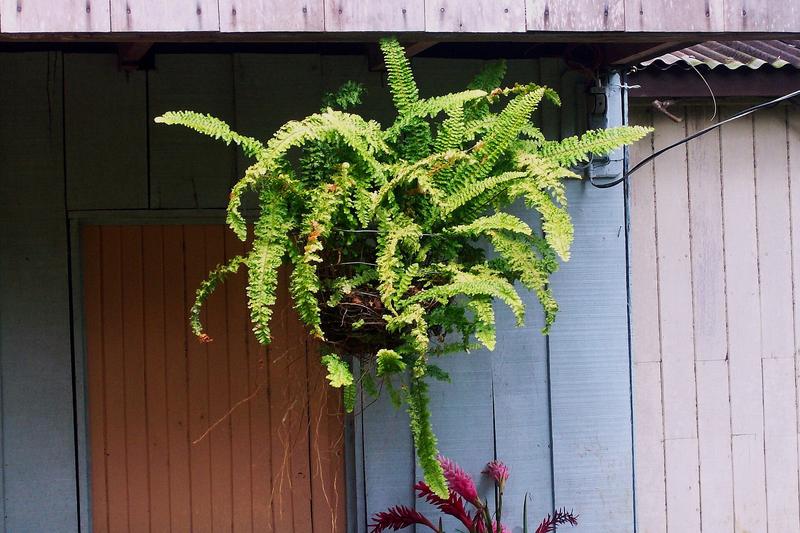
Quick facts
- Watering
- Two to three times weekly
- Sunlight
- Bright indirect light
- Soil
- Peat-free, moisture-retentive multipurpose compost
- Humans
- Safe
- Cats
- Safe
- Dogs
- Safe
- Height
- 40–90 cm
- Spread
- 60–120 cm
- Spacing
- 0 cm apart
About Boston Fern
The Boston Fern is a graceful houseplant with arching fronds of delicate, bright green leaflets that can reach impressive lengths indoors. Native to tropical regions of the Americas, this classic Victorian-era favourite has remained popular in British homes for its air-purifying qualities and lush, cascading habit. UK gardeners prize it as an elegant specimen for hanging baskets, pedestals, and bathroom displays where humidity levels are naturally higher. Its feathery foliage brings a touch of the conservatory to any room, though it requires consistent care to thrive in our drier indoor environments.
UK fact: Boston Ferns were immensely popular in British Victorian conservatories and drawing rooms, often displayed on ornate jardinières, and experienced a major revival in UK homes during the 1970s houseplant boom.
Watering Boston Fern
Boston Ferns require consistently moist compost and will quickly deteriorate if allowed to dry out completely, with fronds turning brown and crispy. Water thoroughly when the top centimetre of compost feels dry to the touch, typically two to three times weekly during spring and summer, reducing slightly in winter. Use tepid, ideally rainwater or filtered water, as they can be sensitive to the chemicals in hard tap water common across much of the UK. Ensure pots have drainage holes and never allow the plant to sit in water, as this will cause root rot.
Sunlight requirements
Position your Boston Fern in bright, indirect light away from direct sunlight, which will scorch the delicate fronds and cause them to turn brown. North-facing or east-facing windowsills are ideal in UK homes, or place the plant a metre or two back from a south or west-facing window. In darker corners, the fern will survive but growth will slow and fronds may become sparse and pale.
Soil and feeding
Boston Ferns prefer a light, moisture-retentive growing medium that drains well but doesn't dry out rapidly. A peat-free multipurpose compost mixed with perlite or vermiculite (roughly 3:1 ratio) provides ideal conditions. The compost should be slightly acidic to neutral, with a pH between 5.5 and 7.0. Repot annually in spring into fresh compost, as the roots can quickly become congested and the medium depletes of nutrients.
Apply a balanced liquid houseplant fertiliser at half strength every two weeks from April through September when the plant is actively growing. Reduce feeding to monthly during autumn and cease altogether in winter when growth slows. Over-feeding can cause salt build-up in the compost and lead to brown frond tips, so always err on the side of caution.
Pruning Boston Fern
Prune out dead, damaged, or yellowing fronds at the base using clean, sharp scissors or secateurs as soon as you notice them, which helps redirect energy to healthy growth. Boston Ferns naturally shed older fronds, so regular tidying is part of routine maintenance. If the plant becomes straggly or overgrown, you can cut back up to one-third of the fronds in early spring to rejuvenate it. Always cut fronds cleanly at the base rather than tearing them, which can damage the crown.
Propagating Boston Fern
The simplest method of propagating Boston Ferns is by division during the spring repotting session. Carefully remove the plant from its pot and gently tease apart the root ball into two or more sections, ensuring each division has a good portion of roots and several healthy fronds. Alternatively, Boston Ferns produce runners with small plantlets that can be potted up once they develop their own root systems. Plant divisions or rooted plantlets into small pots of fresh, moisture-retentive compost and keep warm and humid until established.
Common problems
Boston Ferns are susceptible to scale insects and spider mites, particularly in dry, centrally heated UK homes; inspect fronds regularly and treat infestations with insecticidal soap or biological controls. Brown, crispy frond tips are the most common cultural problem, usually caused by low humidity, inconsistent watering, or fluoride and chlorine in tap water. Yellowing fronds may indicate overwatering, poor drainage, or nutrient deficiency, whilst pale, sparse growth suggests insufficient light. Root rot can develop quickly if the compost remains waterlogged, so always ensure adequate drainage and avoid letting pots sit in standing water.
Spot a problem with your plant? Photograph the affected area using the Loam app and it will suggest the most likely cause and treatment.
Safety
- Humans
- Safe
- Cats
- Safe
- Dogs
- Safe
Toxicity information is for general guidance only.
Seasonal care calendar
Monthly care guide for Boston Fern in the UK, based on average conditions.
| Month | Care tasks |
|---|---|
| January | Reduce watering slightly as growth slows; maintain humidity through misting or pebble trays in heated rooms. |
| February | Continue minimal watering; remove any dead fronds and check for pests in dry indoor conditions. |
| March | Begin increasing watering frequency as daylight hours lengthen; prepare for repotting if roots are congested. |
| April | Repot into fresh compost if needed; divide overcrowded plants and resume fortnightly feeding with diluted fertiliser. |
| May | Maintain consistent moisture and humidity; feed fortnightly as new fronds unfurl rapidly during peak growth. |
| June | Water frequently in warm weather; mist daily to maintain humidity and prevent frond browning. |
| July | Continue regular watering and feeding; move away from windows if direct sun causes scorching. |
| August | Maintain watering and feeding regime; check for spider mites in hot, dry conditions. |
| September | Continue fortnightly feeding; begin reducing watering frequency slightly as temperatures cool and growth slows. |
| October | Reduce feeding to monthly; maintain humidity as central heating begins and indoor air becomes drier. |
| November | Cease feeding; reduce watering but never allow compost to dry out completely. |
| December | Water sparingly but maintain humidity; keep away from cold draughts and radiators. |
Frequently asked questions
- How do I know if my Boston Fern needs watering?
- Check the top 2cm of compost – if it feels dry to the touch, it's time to water. Boston Ferns prefer consistently moist (but not waterlogged) compost. The fronds will begin to droop and may turn brown if the plant becomes too dry. Water thoroughly until it drains from the bottom, then empty any excess from the saucer.
- Why is my Boston Fern turning yellow and how can I fix it?
- Yellowing fronds can indicate overwatering, poor drainage, nutrient deficiency, or insufficient light. Check the compost isn't waterlogged, ensure the pot has drainage holes, and position in bright, indirect light. If you're unsure what's causing the problem, the Loam app can help diagnose the issue by analysing photos of your plant and provide personalised care recommendations to restore its health.
- How do I propagate my Boston Fern?
- The easiest method is division during repotting in spring. Gently remove the fern from its pot and carefully separate the root ball into sections, ensuring each has healthy roots and fronds. Plant each division in fresh peat-free compost, water well, and keep in a warm, humid spot until established. Alternatively, Boston Ferns produce runners with small plantlets that can be potted up once they develop roots.
Got a question about growing Boston Fern that isn't covered here? Ask the Garden Advisor in the Loam app. It knows your saved plants and local conditions.
Related plants
This page was compiled with AI assistance and reviewed by our team. .