Hart's Tongue Fern
Asplenium scolopendrium
Grasses and Ferns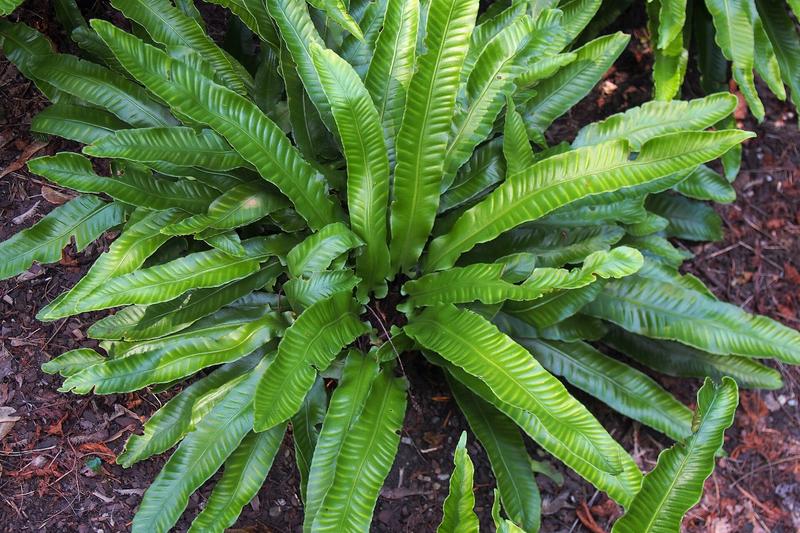
Quick facts
- Watering
- Weekly during dry spells
- Sunlight
- Partial to full shade
- Soil
- Moist, alkaline, well-drained
- Humans
- Safe
- Cats
- Safe
- Dogs
- Safe
- Height
- 30–60 cm
- Spread
- 40–60 cm
- Spacing
- 45–60 cm apart
- RHS recognition
- Award of Garden Merit
About Hart's Tongue Fern
Hart's Tongue Fern is a distinctive evergreen fern native to the UK, characterised by its glossy, strap-shaped fronds that remain vibrant throughout winter. Unlike most British ferns with divided fronds, this species produces undivided, tongue-like leaves up to 60cm long that arch gracefully from a central crown. UK gardeners prize it for bringing year-round structure and bright green colour to shady corners, particularly in woodland gardens and alongside water features. It thrives in the cool, moist conditions typical of British gardens, making it an exceptionally reliable choice for difficult shaded areas.
UK fact: Hart's Tongue Fern is one of Britain's most distinctive native ferns and holds an RHS Award of Garden Merit, frequently found growing wild in limestone regions across Wales, the Peak District, and western England where it colonises shaded walls and rocky crevices.
Watering Hart's Tongue Fern
Keep the soil consistently moist but never waterlogged, particularly during the growing season from spring through autumn. In typical UK conditions, natural rainfall is often sufficient, but water weekly during dry spells, especially for plants in containers or sheltered positions. Established plants are reasonably drought-tolerant once their roots are well-developed, but prolonged dryness will cause fronds to brown and crisp. Water at the base rather than overhead to prevent fungal issues, and ensure excellent drainage to avoid root rot during wet British winters.
Sunlight requirements
Hart's Tongue Fern performs best in partial to full shade, making it ideal for north-facing borders and beneath tree canopies. Avoid direct sunlight, particularly during midday, as this can scorch the fronds and cause browning at the edges. In the UK, it tolerates deeper shade than most ferns, thriving in the dappled light beneath deciduous trees or against shaded walls.
Soil and feeding
Hart's Tongue Fern thrives in alkaline to neutral soil with a pH of 7.0-8.0, reflecting its natural habitat on limestone. The soil should be rich in organic matter, moisture-retentive yet well-drained, as waterlogged conditions will cause crown rot. Incorporate leaf mould or well-rotted compost when planting to improve soil structure and moisture retention. In acidic gardens, add garden lime or crushed limestone to raise the pH, or grow in containers filled with loam-based compost mixed with horticultural grit and lime chippings.
Hart's Tongue Fern requires minimal feeding and thrives on organic matter alone. Apply a 5cm mulch of leaf mould or well-rotted compost around the crown each spring to replenish nutrients and retain moisture. Avoid high-nitrogen fertilisers, which can cause soft, disease-prone growth.
Pruning Hart's Tongue Fern
Remove any damaged, brown, or tatty fronds in early spring before new growth emerges, cutting them back to the base with clean secateurs. This tidying encourages fresh, vibrant fronds and maintains the plant's evergreen appearance throughout the year. Avoid cutting back healthy green fronds, as these provide winter interest and protect the crown during cold snaps. Hart's Tongue Fern is naturally tidy and requires minimal intervention beyond this annual tidy-up.
Propagating Hart's Tongue Fern
Hart's Tongue Fern is best propagated by division in spring, carefully separating the crown into sections with at least three fronds and a healthy root system attached. Replant divisions immediately at the same depth in prepared soil enriched with leaf mould, watering thoroughly to settle them in. Spore propagation is possible but slow and challenging, requiring sterile conditions and patience over 12-18 months. Division is far more reliable for UK gardeners and produces mature plants within a single season.
Common problems
Hart's Tongue Fern is generally trouble-free but can suffer from vine weevil larvae attacking the roots, particularly in container-grown specimens; check for notched leaf edges and treat with biological controls in spring and autumn. Excessive moisture combined with poor drainage can lead to crown rot, causing the centre of the plant to collapse and turn brown. Slugs and snails occasionally damage emerging fronds in spring, so use organic slug pellets or barriers if necessary. Browning frond edges typically indicate drought stress, low humidity, or exposure to direct sunlight rather than disease.
Spot a problem with your plant? Photograph the affected area using the Loam app and it will suggest the most likely cause and treatment.
Safety
- Humans
- Safe
- Cats
- Safe
- Dogs
- Safe
Toxicity information is for general guidance only.
Seasonal care calendar
Monthly care guide for Hart's Tongue Fern in the UK, based on average conditions.
| Month | Care tasks |
|---|---|
| January | No action needed; evergreen fronds provide winter structure. |
| February | No action needed; monitor for frost damage in exposed positions. |
| March | Remove any damaged or tatty fronds before new growth emerges. Apply leaf mould mulch around the crown. |
| April | New fronds begin to unfurl; water if conditions are dry. Ideal time for division and propagation. |
| May | Monitor soil moisture as temperatures rise; water during dry spells. Watch for slug damage on emerging fronds. |
| June | Water weekly if rainfall is insufficient. Check container plants daily in warm weather. |
| July | Maintain consistent moisture during warm, dry periods. Ensure shade protection is adequate. |
| August | Continue watering during dry spells. Check for vine weevil damage on container plants. |
| September | Reduce watering as temperatures cool and rainfall increases. Apply biological vine weevil control if needed. |
| October | Clear fallen leaves from around the crown to prevent fungal issues. Reduce watering further. |
| November | No action needed; fronds remain evergreen and provide structure through winter. |
| December | No action needed; hardy throughout UK winters. |
Frequently asked questions
- Why are my Hart's Tongue Fern fronds turning brown?
- Brown fronds typically indicate drought stress, low humidity, or exposure to direct sunlight. Ensure the soil remains consistently moist, increase watering during dry spells, and check the plant is positioned in shade. Brown edges can also result from planting in acidic soil; Hart's Tongue Fern prefers alkaline conditions with a pH of 7.0-8.0.
- How do I know when my Hart's Tongue Fern needs watering?
- Check the soil moisture by inserting your finger 5cm below the surface; if it feels dry, water thoroughly. The Loam app can send personalised watering reminders based on your local weather conditions and soil type, taking the guesswork out of fern care and helping you maintain the consistent moisture this plant needs.
- Can Hart's Tongue Fern grow in deep shade?
- Yes, Hart's Tongue Fern tolerates deeper shade than most ferns and thrives in full shade beneath tree canopies or on north-facing walls. It's an excellent choice for the darkest corners of UK gardens where few other plants will grow, provided the soil remains moist and well-drained.
Got a question about growing Hart's Tongue Fern that isn't covered here? Ask the Garden Advisor in the Loam app. It knows your saved plants and local conditions.
Related plants
This page was compiled with AI assistance and reviewed by our team. .