Male Fern
Dryopteris filix-mas
Grasses and Ferns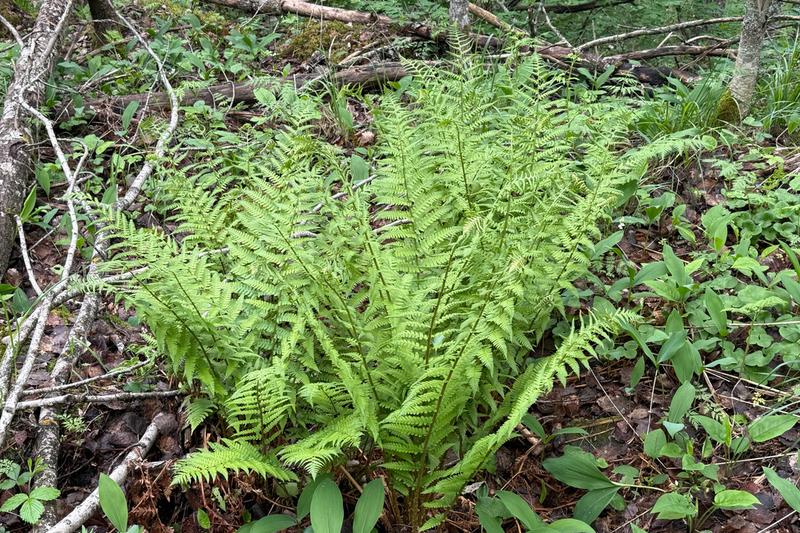
Quick facts
- Watering
- Weekly during dry spells
- Sunlight
- Partial to full shade
- Soil
- Moist, humus-rich, well-drained
- Humans
- Toxic
- Cats
- Toxic
- Dogs
- Toxic
- Height
- 60–120 cm
- Spread
- 60–100 cm
- Spacing
- 60–90 cm apart
- RHS recognition
- Award of Garden Merit
About Male Fern
The Male Fern is a robust, deciduous British native fern with elegant, arching fronds that can reach over a metre in height. Found naturally in woodlands, hedgerows and shaded banks throughout the UK, it has been a garden favourite since Victorian times for its architectural form and reliability. UK gardeners value it for bringing structure and lush greenery to shady borders, woodland gardens and damp corners where little else will thrive. Its shuttlecock-shaped crown of bright green fronds unfurls in spring, providing months of interest before dying back in winter.
UK fact: The Male Fern has been used in British folk medicine for centuries and was once harvested commercially from British woodlands to treat tapeworm infestations, though this practice has long ceased due to the plant's toxicity.
Watering Male Fern
Keep the soil consistently moist, especially during the growing season from spring to early autumn. In typical UK conditions, rainfall is usually sufficient, but water weekly during dry spells to prevent fronds from browning at the edges. Established plants are reasonably drought-tolerant but perform best with regular moisture. Avoid waterlogging, though Male Fern tolerates damper conditions than many garden plants.
Sunlight requirements
Male Fern thrives in partial to full shade, making it ideal for north-facing borders and beneath tree canopies. In the UK, it will tolerate some morning sun but scorches in hot afternoon light, particularly in southern regions. Plant in the dappled shade of deciduous trees or on the shaded side of buildings for best results.
Soil and feeding
Male Fern prefers moist, humus-rich soil with good drainage, thriving in the leafy woodland conditions found naturally across Britain. It tolerates a wide pH range from slightly acidic to neutral (pH 5.5-7.5) and adapts to clay, loam or sandy soils provided organic matter is incorporated. Enrich planting areas with leaf mould or well-rotted compost to mimic its native woodland habitat. Heavy clay soils benefit from added grit to prevent winter waterlogging.
Male Fern requires minimal feeding once established. Apply a light mulch of leaf mould or well-rotted compost around the crown each spring to replenish organic matter and retain moisture. Avoid high-nitrogen fertilisers which can encourage soft growth susceptible to damage.
Pruning Male Fern
Remove dead or damaged fronds in late winter or early spring before new growth emerges, cutting them back to ground level. This tidies the plant and prevents fungal diseases from overwintering on old foliage. Avoid cutting back green fronds during the growing season as this weakens the plant. In mild UK winters, some fronds may remain semi-evergreen but are best removed to make way for fresh spring growth.
Propagating Male Fern
Male Fern is most easily propagated by division in spring as new fronds begin to unfurl. Lift established clumps carefully with a fork and divide the crown into sections, ensuring each has several fronds and a good root system. Replant divisions immediately at the same depth, water well and keep moist until established. Spore propagation is possible but slow and requires patience, with spores collected from the undersides of mature fronds in late summer and sown on sterile compost in a cool, humid environment.
Common problems
Male Fern is generally trouble-free in UK gardens, with few serious pests or diseases. Slugs and snails may damage emerging fronds in spring, particularly in damp conditions, so use organic controls if necessary. Rust can occasionally appear as orange spots on fronds in humid summers; remove affected foliage promptly. Browning frond tips usually indicate drought stress or excessive sun exposure rather than disease. Ensure adequate moisture and shade to prevent this cultural problem.
Spot a problem with your plant? Photograph the affected area using the Loam app and it will suggest the most likely cause and treatment.
Safety
- Humans
-
Toxic
All parts of Male Fern are toxic if ingested, containing compounds that can cause nausea, vomiting and dizziness. Historically used medicinally but can be dangerous in incorrect doses.
- Cats
-
Toxic
Toxic to cats if ingested, causing gastrointestinal upset and potential neurological symptoms. Keep cats away from this plant.
- Dogs
-
Toxic
Toxic to dogs if ingested, causing vomiting, diarrhoea and potential tremors. Prevent dogs from chewing fronds.
Toxicity information is for general guidance only. If a person or pet has been exposed to this plant and you are concerned, seek advice from a medical professional or vet.
Seasonal care calendar
Monthly care guide for Male Fern in the UK, based on average conditions.
| Month | Care tasks |
|---|---|
| January | No action needed; plant is dormant. |
| February | No action needed; plant is dormant. |
| March | Cut back old fronds before new growth emerges. Apply leaf mould mulch around the crown. |
| April | Watch for emerging fiddleheads. Divide established clumps if required. Water if dry. |
| May | Monitor for slug damage on young fronds. Water during dry spells. |
| June | Ensure soil remains moist as fronds expand. Remove any damaged foliage. |
| July | Water regularly during dry weather. Check for rust on fronds. |
| August | Continue watering in dry spells. Collect spores from mature fronds if propagating. |
| September | Reduce watering as autumn rains return. Fronds remain attractive. |
| October | Fronds begin to yellow and die back naturally. Leave in place for winter interest. |
| November | Allow dead fronds to remain as natural mulch and wildlife habitat. |
| December | No action needed; plant is dormant. |
Frequently asked questions
- Why are my male fern fronds turning brown at the tips?
- Browning frond tips are usually caused by insufficient moisture or too much direct sun. Male Ferns need consistently moist soil and shade to thrive. Water more frequently during dry spells and consider moving the plant to a shadier spot if it receives afternoon sun. In very dry UK summers, even shaded ferns may need weekly watering.
- When should I cut back my male fern?
- Cut back dead fronds in late winter or early spring (February to March) before new growth emerges. The Loam app can send you a timely reminder based on your local conditions and help you track the best time to prune your specific fern each year.
- Can male fern grow in full shade under trees?
- Yes, Male Fern is one of the best ferns for deep shade and grows naturally in British woodlands beneath dense tree canopies. It thrives in the dry shade under mature trees where many plants struggle, making it ideal for difficult shady spots in UK gardens.
Got a question about growing Male Fern that isn't covered here? Ask the Garden Advisor in the Loam app. It knows your saved plants and local conditions.
Related plants
This page was compiled with AI assistance and reviewed by our team. .