Lady Fern
Athyrium filix-femina
Grasses and Ferns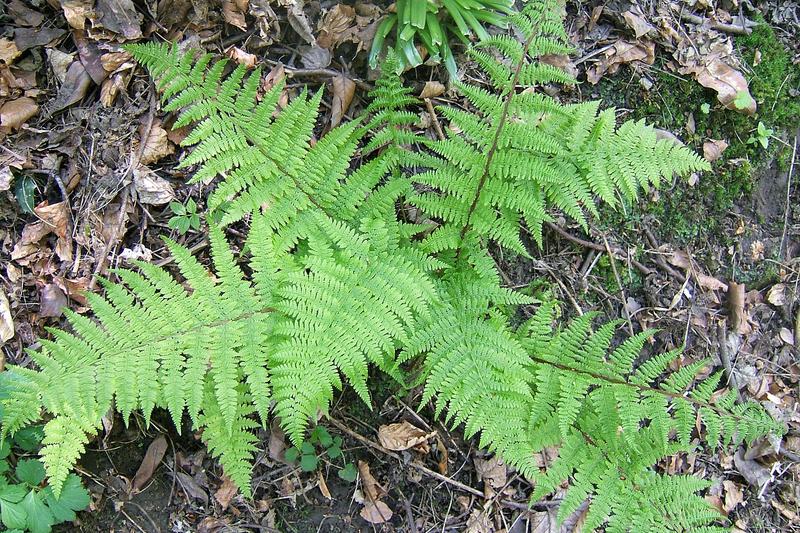
Quick facts
- Watering
- Weekly during dry spells
- Sunlight
- Partial to full shade
- Soil
- Moist, humus-rich, slightly acidic
- Humans
- Safe
- Cats
- Safe
- Dogs
- Safe
- Height
- 60–120 cm
- Spread
- 45–90 cm
- Spacing
- 60–90 cm apart
- RHS recognition
- Award of Garden Merit
About Lady Fern
Lady Fern is a graceful, deciduous fern native to the British Isles, producing delicate, lacy fronds that emerge bright green in spring and mature to a deeper shade through summer. Growing 60–120 cm tall, it thrives in the dappled shade of woodland gardens and shaded borders, making it a quintessential choice for naturalising in British gardens. Its finely divided, arching fronds create a soft, feathery texture that complements shade-loving perennials and spring bulbs. UK gardeners prize it for its reliability, ease of cultivation, and ability to brighten dark corners with fresh, verdant foliage.
UK fact: Lady Fern has been a feature of British woodlands for millennia and was traditionally used in rural communities as bedding material and for packing fragile goods, with its fronds also employed in thatching and as a natural mulch.
Watering Lady Fern
Keep the soil consistently moist, especially during establishment and dry periods from late spring through summer. In typical UK conditions, rainfall often suffices, but water weekly during prolonged dry spells to prevent frond browning and maintain lush growth. Avoid waterlogging, though Lady Fern tolerates damper conditions than many ferns. Mulch around the crown to retain moisture and reduce watering frequency.
Sunlight requirements
Lady Fern performs best in partial to full shade, making it ideal for north-facing borders and beneath tree canopies. In the UK, it tolerates morning sun but scorches in hot afternoon light, particularly in southern regions. Plant in dappled woodland conditions or against shaded walls for optimal frond development and colour retention.
Soil and feeding
Lady Fern thrives in moisture-retentive, humus-rich soil with good drainage, ideally slightly acidic to neutral (pH 5.5–7.0). Incorporate plenty of leaf mould or well-rotted compost before planting to improve structure and moisture retention. It tolerates a range of soil types, including clay, provided it doesn't dry out completely. Avoid chalky or very alkaline soils, which can cause frond yellowing and poor growth.
Apply a balanced, slow-release fertiliser or a generous mulch of leaf mould in early spring to support vigorous frond production. Avoid high-nitrogen feeds, which can promote soft growth susceptible to damage. Established plants in humus-rich soil rarely require additional feeding.
Pruning Lady Fern
Remove dead or damaged fronds in late winter or early spring before new growth emerges, cutting them back to ground level to tidy the plant and prevent fungal issues. Avoid cutting back green fronds during the growing season, as this weakens the plant. Lady Fern is deciduous, so all fronds naturally die back in autumn; leave them in place over winter to protect the crown from frost, then clear away in February or March.
Propagating Lady Fern
Lady Fern is easily propagated by division in early spring, just as new fronds begin to unfurl. Lift established clumps carefully, tease apart the rhizomes ensuring each section has healthy roots and emerging fronds, then replant immediately at the same depth in prepared soil. Spore propagation is possible but slow and requires controlled conditions; collect ripe spores from the underside of mature fronds in late summer and sow on sterile compost in a covered tray. Division is the most reliable method for UK gardeners seeking quick results.
Common problems
Lady Fern is generally trouble-free but can suffer from slug and snail damage, particularly on emerging fronds in spring; use organic pellets or barriers to protect new growth. In dry conditions or low humidity, frond tips may brown and crisp; ensure consistent moisture and mulch well. Rust and other fungal diseases occasionally affect fronds in overcrowded or poorly ventilated plantings; improve air circulation and remove affected foliage promptly. Aphids may colonise young fronds but rarely cause serious harm.
Spot a problem with your plant? Photograph the affected area using the Loam app and it will suggest the most likely cause and treatment.
Safety
- Humans
- Safe
- Cats
- Safe
- Dogs
- Safe
Toxicity information is for general guidance only.
Seasonal care calendar
Monthly care guide for Lady Fern in the UK, based on average conditions.
| Month | Care tasks |
|---|---|
| January | No action needed; plant is dormant. |
| February | Clear away old fronds and apply mulch of leaf mould or compost. |
| March | New fronds begin to emerge; apply slow-release fertiliser and divide established clumps if required. |
| April | Monitor for slug and snail damage on unfurling fronds; water if dry. |
| May | Ensure consistent moisture as fronds expand; mulch to retain soil moisture. |
| June | Water weekly during dry spells; fronds reach full size. |
| July | Maintain moisture levels; remove any damaged or diseased fronds. |
| August | Continue watering in dry weather; collect spores from mature fronds if propagating. |
| September | Reduce watering as temperatures cool; fronds begin to fade. |
| October | Fronds turn brown and die back; leave in place to protect crown over winter. |
| November | No action needed; allow natural dieback to continue. |
| December | No action needed; plant is dormant. |
Frequently asked questions
- Why are my Lady Fern fronds turning brown?
- Browning fronds are usually caused by insufficient moisture or low humidity, particularly during dry spells. Water regularly to keep the soil consistently moist, mulch around the base to retain moisture, and ensure the fern is planted in shade rather than direct sun, which can scorch the delicate foliage.
- When should I cut back Lady Fern?
- Cut back dead fronds in late winter or early spring (February to March) before new growth emerges. The Loam app can send you a timely reminder based on your local conditions, ensuring you prune at the optimal time for healthy regrowth and helping you track seasonal care tasks throughout the year.
- Can Lady Fern grow in full shade?
- Yes, Lady Fern tolerates full shade and thrives in deep woodland conditions, making it ideal for the darkest corners of UK gardens. While it performs best in dappled or partial shade, it adapts well to dense shade beneath trees or on north-facing walls, though growth may be slightly slower.
Got a question about growing Lady Fern that isn't covered here? Ask the Garden Advisor in the Loam app. It knows your saved plants and local conditions.
Related plants
This page was compiled with AI assistance and reviewed by our team. .