Hosta
Hosta
Perennials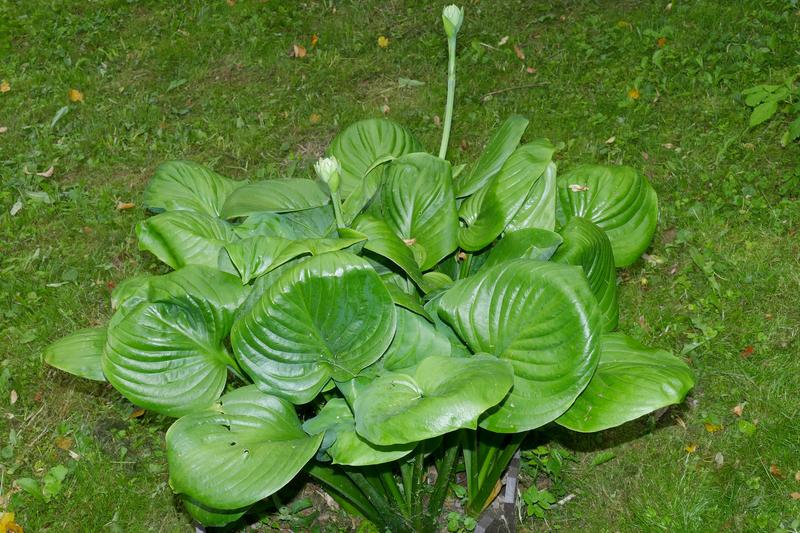
Quick facts
- Watering
- Weekly during growing season
- Sunlight
- Partial shade to full shade
- Soil
- Rich, moisture-retentive, well-drained
- Humans
- Safe
- Cats
- Toxic
- Dogs
- Toxic
- Height
- 15–90 cm
- Spread
- 30–120 cm
- Spacing
- 30–90 cm apart
- RHS recognition
- Award of Garden Merit
About Hosta
Hostas are herbaceous perennials prized for their bold, architectural foliage in shades of green, blue, gold, and variegated combinations. Native to Japan, China, and Korea, these shade-loving plants have become a cornerstone of British woodland and cottage gardens. UK gardeners value hostas for their reliability, long-lived nature, and ability to brighten shady corners where few other plants thrive. Their elegant spikes of tubular flowers in summer provide an additional seasonal highlight.
UK fact: Many hosta cultivars hold the RHS Award of Garden Merit, and the National Collection of Hostas is maintained at Mickfield Hostas in Suffolk, showcasing over 3,000 varieties suited to British growing conditions.
Watering Hosta
Hostas require regular watering during the growing season, particularly in their first year and during dry spells. Water deeply at the base of the plant rather than overhead to reduce slug activity and prevent leaf scorch. In typical UK summers, weekly watering is sufficient, but increase frequency during prolonged dry periods. Established plants are moderately drought-tolerant but produce better foliage when kept evenly moist.
Sunlight requirements
In the UK, hostas perform best in dappled shade or north-facing borders where they're protected from intense midday sun. Blue-leaved varieties require more shade to maintain their colour, whilst gold and variegated forms tolerate brighter conditions. Avoid hot, south-facing spots which can scorch foliage, particularly during dry spells.
Soil and feeding
Plant hostas in moisture-retentive soil enriched with plenty of organic matter such as well-rotted compost or leaf mould. They tolerate a wide pH range but perform best in slightly acidic to neutral conditions (pH 6.0-7.5). Good drainage is essential to prevent crown rot during wet UK winters. Heavy clay soils benefit from the addition of grit and organic matter to improve structure.
Feed hostas in early spring as new shoots emerge, using a balanced slow-release fertiliser or well-rotted manure. A second light feed in midsummer encourages strong growth and flower production. Annual mulching with compost or leaf mould provides ongoing nutrition and helps retain moisture.
Pruning Hosta
Deadhead flower spikes after blooming to maintain a tidy appearance, though this isn't essential. In late autumn, once foliage has been blackened by frost, cut leaves back to ground level to reduce slug hiding places and prevent disease. Alternatively, leave foliage over winter for wildlife habitat and clear away in early spring before new growth emerges. Remove any damaged or diseased leaves throughout the growing season.
Propagating Hosta
Division is the most reliable method for propagating hostas and should be done every 3-5 years to maintain vigour. Spring division (March-April) allows plants to establish before summer, whilst autumn division (September-October) works well in milder UK regions. Lift the entire clump with a fork, then use a sharp spade or knife to divide it into sections, ensuring each has several growing points. Replant divisions immediately at the same depth and water well.
Common problems
Slugs and snails are the primary pest problem for hostas in the UK, causing unsightly holes in foliage, particularly on emerging shoots in spring. Vine weevil larvae can damage roots, whilst deer and rabbits may browse plants in rural gardens. Hosta virus X causes mottled, distorted foliage and spreads through contaminated tools; affected plants should be destroyed. Prolonged wet conditions can lead to crown rot, especially in poorly drained soils.
Spot a problem with your plant? Photograph the affected area using the Loam app and it will suggest the most likely cause and treatment.
Safety
- Humans
- Safe
- Cats
-
Toxic
Hostas contain saponins which can cause vomiting, diarrhoea, and depression in cats if ingested.
- Dogs
-
Toxic
Hostas are toxic to dogs, causing vomiting, diarrhoea, and abdominal pain if eaten. Contact a vet if ingestion occurs.
Toxicity information is for general guidance only. If a pet has been exposed to this plant and you are concerned, seek advice from a vet.
Seasonal care calendar
Monthly care guide for Hosta in the UK, based on average conditions.
| Month | Care tasks |
|---|---|
| January | No action needed; plants fully dormant. |
| February | Clear away any remaining dead foliage if not done in autumn. Apply slug pellets or barriers before shoots emerge. |
| March | Watch for emerging shoots. Apply balanced fertiliser and refresh mulch. Divide congested clumps. Begin slug patrols. |
| April | Continue slug control as foliage unfurls. Water if conditions are dry. Plant new hostas or divisions. |
| May | Maintain regular watering. Monitor for vine weevil damage. Remove any damaged leaves promptly. |
| June | Water regularly during dry spells. Early-flowering varieties begin blooming. Apply liquid feed if desired. |
| July | Peak flowering period for most varieties. Deadhead spent blooms. Maintain consistent moisture levels. |
| August | Continue deadheading and watering. Late-flowering varieties in bloom. Watch for heat stress in sunny positions. |
| September | Divide established clumps if needed. Reduce watering as growth slows. Plant new hostas. |
| October | Foliage begins to yellow and die back. Allow natural senescence or cut back after first frost. |
| November | Remove dead foliage to reduce slug habitat. Clear debris from around crowns. |
| December | No action needed; plants dormant. Plan new plantings for spring. |
Frequently asked questions
- When should I cut back hostas in autumn?
- Cut back hosta foliage after the first hard frost has blackened the leaves, typically from late October through November in most of the UK. Remove all dead foliage to ground level to eliminate hiding places for slugs and snails over winter. Clear away debris to reduce pest and disease problems in spring.
- Why are my hosta leaves turning yellow?
- Yellowing hosta leaves can indicate several issues: overwatering and poor drainage, underwatering during dry spells, too much direct sunlight, or nutrient deficiency. The Loam app can help diagnose the specific cause by analysing your plant's conditions and symptoms, then provide personalised care adjustments to restore healthy green foliage.
- What type of soil do hostas need?
- Hostas thrive in moisture-retentive but well-drained soil enriched with organic matter. They prefer a slightly acidic to neutral pH (6.0-7.0). Before planting, dig in plenty of compost or well-rotted manure to improve soil structure and moisture retention. Mulch annually with organic matter to maintain soil quality and suppress weeds.
Got a question about growing Hosta that isn't covered here? Ask the Garden Advisor in the Loam app. It knows your saved plants and local conditions.
Related plants
This page was compiled with AI assistance and reviewed by our team. .