Heuchera
Heuchera
Perennials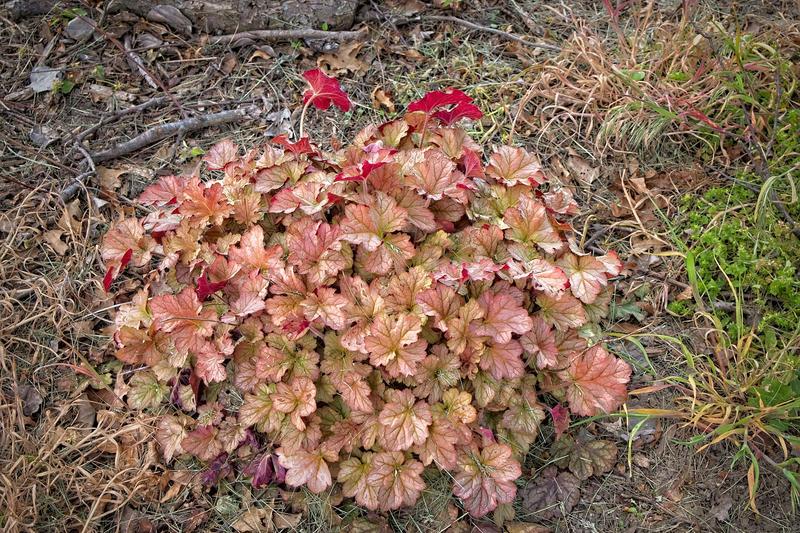
Quick facts
- Watering
- Weekly during dry spells
- Sunlight
- Partial shade to full sun
- Soil
- Well-drained, humus-rich, neutral to alkaline
- Humans
- Safe
- Cats
- Safe
- Dogs
- Safe
- Height
- 20–50 cm
- Spread
- 30–45 cm
- Spacing
- 30–40 cm apart
- RHS recognition
- Award of Garden Merit
About Heuchera
Heuchera is a versatile evergreen perennial prized for its stunning foliage in shades ranging from lime green and amber to deep purple and near-black. Native to North America, these compact plants produce delicate sprays of bell-shaped flowers on wiry stems throughout summer. UK gardeners value heucheras for their year-round interest, shade tolerance, and ability to brighten borders, containers, and woodland gardens with minimal fuss.
UK fact: Many heuchera cultivars have received the RHS Award of Garden Merit, with varieties like 'Obsidian' and 'Marmalade' proving particularly well-suited to British gardens where they maintain their vibrant leaf colour even through mild winters.
Watering Heuchera
Water heucheras regularly during their first growing season to establish deep roots. Once established, they tolerate short dry periods but perform best with consistent moisture, particularly during the warmer months from May to September. In containers, check soil moisture every few days as they dry out more quickly. Avoid overhead watering in winter to prevent crown rot, and ensure good drainage year-round as heucheras dislike sitting in wet soil during cold, damp British winters.
Sunlight requirements
In the UK, heucheras perform best in dappled shade or morning sun with afternoon protection, particularly in southern counties. Purple and dark-leaved varieties tolerate more sun than lime-green cultivars, which can scorch in intense light. North-facing borders or positions under deciduous trees suit them perfectly, though avoid deep shade which can dull foliage colour.
Soil and feeding
Plant heucheras in well-drained soil improved with compost or leaf mould to retain moisture without becoming waterlogged. They prefer neutral to slightly alkaline conditions (pH 6.5-7.5) and struggle in heavy clay unless drainage is improved with grit and organic matter. In containers, use a peat-free multipurpose compost mixed with horticultural grit in a 3:1 ratio. Good drainage is essential as heucheras are prone to crown rot in wet conditions, particularly during British winters.
Feed heucheras with a general-purpose granular fertiliser such as blood, fish and bone in March or early April as new growth emerges. A light top-dressing of compost or well-rotted manure in autumn provides additional nutrients and protects crowns over winter. Container-grown plants benefit from a liquid feed every 4-6 weeks during the growing season from April to August.
Pruning Heuchera
Tidy heucheras in early spring (March) by removing any winter-damaged or discoloured leaves to reveal fresh new growth. Deadhead flowering stems after blooms fade in summer to encourage a second flush and prevent self-seeding. Every 3-4 years, heucheras develop woody crowns that sit above soil level; lift and replant them deeper in spring, or divide to rejuvenate. Remove any dead foliage in autumn but leave healthy leaves as winter protection.
Propagating Heuchera
Division is the most reliable method for heucheras, ensuring offspring retain the parent plant's characteristics. Lift established clumps in March or April when new growth appears, or in September after flowering. Carefully tease apart sections with roots and replant immediately at the same depth. Seed-raised heucheras rarely come true to type but can produce interesting variations; sow fresh seed in autumn or spring in a cold frame.
Common problems
Heucheras are relatively trouble-free but can suffer from vine weevil, whose larvae eat roots and can kill plants; check for notched leaf edges and drench with biological control in spring and autumn. Powdery mildew may appear on foliage in dry conditions with poor air circulation; improve spacing and avoid overhead watering. Crown rot is the most serious issue, caused by waterlogged soil or planting too deeply, particularly in heavy clay during wet British winters. Leaf spot diseases occasionally occur but rarely cause significant damage; remove affected leaves and improve air circulation.
Spot a problem with your plant? Photograph the affected area using the Loam app and it will suggest the most likely cause and treatment.
Safety
- Humans
- Safe
- Cats
- Safe
- Dogs
- Safe
Toxicity information is for general guidance only.
Seasonal care calendar
Monthly care guide for Heuchera in the UK, based on average conditions.
| Month | Care tasks |
|---|---|
| January | Check plants for frost heave and firm back into soil if necessary. Avoid walking on frozen foliage. |
| February | Begin planning new plantings. Order new varieties from nurseries for spring delivery. |
| March | Remove winter-damaged leaves and apply balanced fertiliser. Divide established clumps and replant any that have risen above soil level. |
| April | Plant new heucheras and water regularly to establish. Apply slug pellets or barriers as new growth emerges. |
| May | Flower stems begin to appear. Water during dry spells and mulch around plants to retain moisture. |
| June | Enjoy the flowering display. Deadhead spent blooms to encourage further flowers and maintain appearance. |
| July | Continue deadheading and water regularly during hot weather. Watch for vine weevil damage and treat if necessary. |
| August | Cut back finished flower stems. Apply biological vine weevil control to containers and borders. |
| September | Divide congested clumps if needed. Plant new acquisitions and water well until established. |
| October | Apply autumn mulch of compost around crowns. Reduce watering as temperatures drop. |
| November | Leave healthy foliage in place for winter protection. Ensure good drainage around crowns before winter rains. |
| December | Minimal maintenance required. Enjoy evergreen foliage colour in winter borders and containers. |
Frequently asked questions
- When should I cut back heucheras?
- Cut back tatty or damaged heuchera foliage in early spring (March-April) before new growth emerges. Remove only brown or winter-damaged leaves, leaving healthy foliage intact as it protects the crown. Avoid autumn pruning, as the leaves provide natural insulation through winter.
- Why are my heuchera leaves turning brown and crispy?
- Brown, crispy leaves usually indicate drought stress, sun scorch, or winter damage. Ensure consistent watering during dry spells, provide afternoon shade in hot locations, and remove damaged foliage in spring to reveal fresh growth. Use the Loam app to diagnose leaf problems with photos and receive personalised watering reminders based on your local conditions.
- What type of soil do heucheras need?
- Heucheras thrive in moist but well-drained soil enriched with organic matter. They tolerate a range of soil types but struggle in heavy clay or waterlogged conditions, which can cause crown rot. Ideal pH is neutral to slightly acidic (6.0-7.0). Add grit or compost to improve drainage if needed.
Got a question about growing Heuchera that isn't covered here? Ask the Garden Advisor in the Loam app. It knows your saved plants and local conditions.
Related plants
This page was compiled with AI assistance and reviewed by our team. .