Foamflower
Tiarella cordifolia
Perennials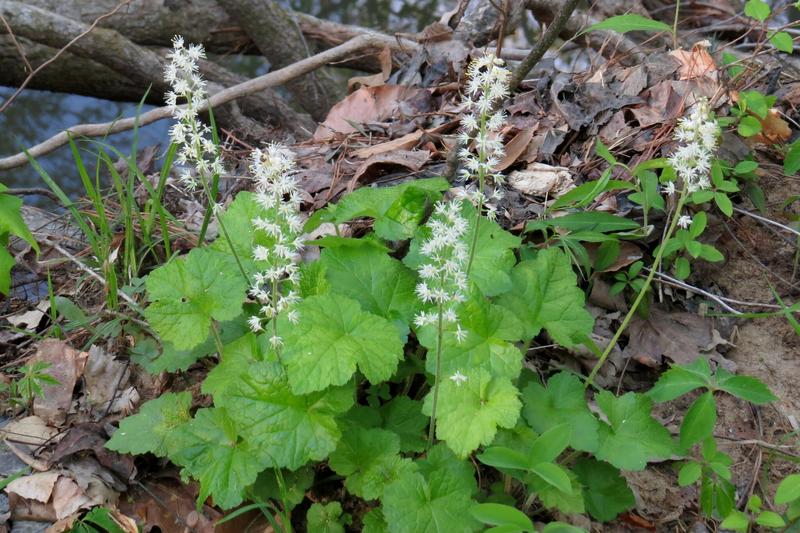
Quick facts
- Watering
- Weekly during dry spells
- Sunlight
- Partial to full shade
- Soil
- Moist, humus-rich, well-drained
- Humans
- Safe
- Cats
- Safe
- Dogs
- Safe
- Height
- 15–30 cm
- Spread
- 30–45 cm
- Spacing
- 30–40 cm apart
- RHS recognition
- Award of Garden Merit
About Foamflower
Foamflower is a charming woodland perennial native to North America, prized for its delicate spikes of white or pink-tinged flowers that appear in late spring. The heart-shaped, semi-evergreen leaves often develop attractive bronze or burgundy tints in autumn and winter, providing year-round interest. UK gardeners value this low-growing ground cover for its ability to thrive in shady borders and woodland gardens where few other plants will flower reliably. Its spreading habit makes it excellent for naturalising under trees and shrubs.
UK fact: Tiarella cordifolia has been awarded the RHS Award of Garden Merit, recognising its excellent performance in British gardens, particularly its reliability in damp, shaded conditions typical of UK woodland settings.
Watering Foamflower
Keep the soil consistently moist, particularly during the growing season from spring through summer. Water weekly during dry periods, as foamflower dislikes drought and its shallow roots dry out quickly. In typical UK conditions with regular rainfall, established plants often need little supplementary watering except during prolonged dry spells. Mulching helps retain moisture and mimics the plant's natural woodland habitat.
Sunlight requirements
Foamflower performs best in partial to full shade, making it ideal for north-facing borders and beneath deciduous trees. In the UK, it will tolerate some morning sun but should be protected from hot afternoon light, which can scorch the foliage. Plant in the dappled shade of woodland gardens or on the shaded side of walls and fences for optimal growth.
Soil and feeding
Foamflower thrives in fertile, moisture-retentive soil enriched with plenty of organic matter such as leaf mould or well-rotted compost. The soil should be well-drained yet remain consistently moist, never waterlogged. A slightly acidic to neutral pH of 5.5-7.0 is ideal. Improve heavy clay soils with organic matter and grit to prevent winter waterlogging, which can cause crown rot.
Apply a balanced slow-release fertiliser in early spring or top-dress with well-rotted compost or leaf mould annually. Foamflower is not a heavy feeder, but enriching the soil with organic matter helps maintain the humus-rich conditions it prefers and supports healthy foliage and flowering.
Pruning Foamflower
Remove faded flower stems after blooming in late spring to maintain a tidy appearance and encourage the plant to direct energy into foliage growth. Tidy up any damaged or tatty leaves in early spring before new growth emerges. The foliage is semi-evergreen in the UK, so avoid cutting back too hard in autumn; instead, allow the leaves to provide winter interest and protect the crown from frost.
Propagating Foamflower
Foamflower is easily propagated by division in early spring or autumn, lifting established clumps and separating them into smaller sections with roots attached. The plant also spreads naturally via stolons (runners), which can be detached and replanted once they have developed their own root systems. Seed propagation is possible but slower; sow fresh seed in autumn in a cold frame, though division is far more reliable for UK gardeners.
Common problems
Foamflower is generally trouble-free in UK gardens, with few serious pest or disease issues. Slugs and snails can damage young foliage in spring, particularly in damp conditions, so use organic controls or barriers. Vine weevil larvae may occasionally attack the roots of container-grown plants. Poor drainage or waterlogged soil in winter can lead to crown rot, so ensure good soil structure and avoid planting in heavy, compacted clay without amendment.
Spot a problem with your plant? Photograph the affected area using the Loam app and it will suggest the most likely cause and treatment.
Safety
- Humans
- Safe
- Cats
- Safe
- Dogs
- Safe
Toxicity information is for general guidance only.
Seasonal care calendar
Monthly care guide for Foamflower in the UK, based on average conditions.
| Month | Care tasks |
|---|---|
| January | No action needed; foliage provides winter interest. |
| February | No action needed; foliage provides winter interest. |
| March | Tidy up any winter-damaged leaves and apply compost mulch. |
| April | Flower buds begin to form; water if dry and watch for slugs. |
| May | Flowering begins; deadhead spent blooms and keep soil moist. |
| June | Continue deadheading faded flowers to maintain appearance. |
| July | Water during dry spells; flowering finishes. |
| August | Water during dry spells; foliage remains attractive. |
| September | Divide established clumps if needed; leaves begin autumn tints. |
| October | Foliage develops bronze tones; divide if not done in September. |
| November | Leave foliage intact for winter interest and crown protection. |
| December | No action needed; foliage provides winter interest. |
Frequently asked questions
- Why is my foamflower not flowering?
- Foamflower may fail to flower if planted in too much shade, though it tolerates deep shade better than most perennials. Ensure the soil remains consistently moist during spring when flower buds form, as drought stress can prevent blooming. Overcrowded clumps may also flower poorly and benefit from division every 3-4 years to rejuvenate growth.
- How do I know when to water my foamflower?
- Foamflower needs consistent moisture, especially during dry spells. Check the soil regularly by feeling the top few centimetres; if it feels dry, water thoroughly. The Loam app can send you personalised watering reminders based on your local weather conditions and help you track when your plants last received water.
- Can foamflower be grown in containers?
- Yes, foamflower grows well in containers placed in shaded positions, making it ideal for patios and balconies without direct sun. Use a peat-free, moisture-retentive compost and ensure the pot has drainage holes. Container-grown plants will need more frequent watering than those in the ground and benefit from annual repotting or top-dressing with fresh compost.
Got a question about growing Foamflower that isn't covered here? Ask the Garden Advisor in the Loam app. It knows your saved plants and local conditions.
Related plants
This page was compiled with AI assistance and reviewed by our team. .