Epimedium
Epimedium grandiflorum
Perennials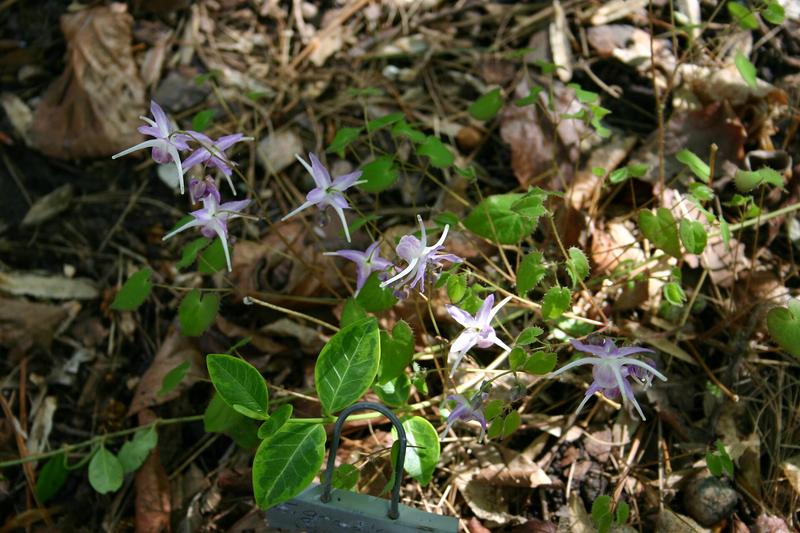
Quick facts
- Watering
- Fortnightly once established
- Sunlight
- Partial to full shade
- Soil
- Humus-rich, well-drained
- Humans
- Unknown
- Cats
- Unknown
- Dogs
- Unknown
- Height
- 20–30 cm
- Spread
- 30–45 cm
- Spacing
- 30–40 cm apart
- RHS recognition
- Award of Garden Merit
About Epimedium
Epimedium is a graceful, low-growing perennial prized for its delicate spring flowers and attractive heart-shaped foliage that often displays bronze or red tints. Native to woodland areas of China, Japan and Korea, this shade-loving ground cover has become a favourite among UK gardeners for underplanting beneath trees and shrubs. The dainty, spurred flowers appear in shades of pink, purple, white or yellow from April to May, held above the foliage on wiry stems. Its ability to thrive in dry shade where few other plants succeed makes it invaluable for challenging British gardens.
UK fact: Epimedium grandiflorum has received the RHS Award of Garden Merit, recognising its excellent performance in British gardens and its reliability as a ground cover for difficult shady spots under trees.
Watering Epimedium
Water regularly during the first growing season to establish a deep root system, typically once or twice weekly during dry spells. Once established, epimedium is remarkably drought-tolerant and requires watering only during prolonged dry periods in summer, approximately every two weeks. In typical British conditions with regular rainfall, mature plants rarely need supplementary watering except during exceptional droughts. Avoid waterlogging, particularly in winter.
Sunlight requirements
Epimedium thrives in partial to full shade, making it ideal for north-facing borders or beneath deciduous trees and shrubs. In the UK, it tolerates morning sun but benefits from protection during the hottest part of the day, particularly in southern regions. The foliage colour is often more vibrant when grown in dappled shade rather than deep shade.
Soil and feeding
Epimedium prefers humus-rich, well-drained soil that mimics its native woodland habitat. Incorporate plenty of leaf mould or well-rotted compost before planting to improve soil structure and moisture retention. It tolerates a wide pH range from slightly acidic to neutral (pH 5.5-7.0) and performs well in most British garden soils. Avoid heavy clay that becomes waterlogged in winter, though the plant tolerates dry conditions once established.
Apply a light dressing of well-rotted compost or leaf mould around plants in early spring to replenish organic matter. A balanced slow-release fertiliser can be applied in March if growth appears weak, though epimedium generally thrives without heavy feeding in reasonably fertile soil.
Pruning Epimedium
Cut back old foliage in late winter (February to early March) before new growth emerges to showcase the spring flowers and encourage fresh, attractive leaves. Use secateurs or shears to remove all previous year's leaves close to ground level. This annual haircut prevents the flowers being hidden by tatty old foliage and reduces the risk of fungal diseases. Deadheading is unnecessary as the seed heads are inconspicuous.
Propagating Epimedium
Epimedium is most easily propagated by division in early autumn (September to October) or immediately after flowering in late spring. Lift established clumps carefully with a fork and divide into sections, ensuring each piece has several growing points and a good root system. Replant divisions immediately at the same depth, spacing them 30-40 cm apart, and water well until established. Plants can also be grown from fresh seed sown in autumn, though this is slower and seedlings may take three years to flower.
Common problems
Epimedium is generally trouble-free and resistant to most pests and diseases in UK gardens. Vine weevil larvae occasionally attack the roots, causing plants to wilt; check for the characteristic C-shaped white grubs in the soil and treat with biological controls in autumn. Slugs and snails may damage young spring foliage, particularly in damp conditions; use organic controls if necessary. In very wet winters, root rot can occur in poorly drained soil, so ensure adequate drainage when planting.
Spot a problem with your plant? Photograph the affected area using the Loam app and it will suggest the most likely cause and treatment.
Safety
- Humans
-
Unknown
No significant toxicity reported, though it is not considered edible and may cause mild stomach upset if ingested in quantity.
- Cats
-
Unknown
No specific toxicity data available; not known to be commonly problematic but best kept away from pets.
- Dogs
-
Unknown
No specific toxicity data available; not known to be commonly problematic but best kept away from pets.
Toxicity information is for general guidance only. If a person or pet has been exposed to this plant and you are concerned, seek advice from a medical professional or vet.
Seasonal care calendar
Monthly care guide for Epimedium in the UK, based on average conditions.
| Month | Care tasks |
|---|---|
| January | No action needed; plants are dormant with old foliage still present. |
| February | Cut back all old foliage to ground level before new growth emerges, revealing flower buds. |
| March | Apply well-rotted compost or leaf mould around plants. New foliage begins to emerge. |
| April | Enjoy the delicate spring flowers appearing above fresh foliage. Water if conditions are dry. |
| May | Flowering continues into early May. Ensure adequate moisture as foliage expands. |
| June | Foliage fully developed, providing attractive ground cover. Water during dry spells. |
| July | Maintain ground cover; water only during prolonged drought once established. |
| August | Continue to water during dry periods. Foliage remains attractive throughout summer. |
| September | Ideal time to divide established clumps. Replant divisions immediately and water well. |
| October | Continue division if needed. Foliage may begin to show autumn tints in colder regions. |
| November | Foliage persists through winter, providing evergreen or semi-evergreen cover. |
| December | No action needed; old foliage protects crowns through winter. |
Frequently asked questions
- When should I cut back epimedium?
- Cut back all old foliage in late winter, ideally in February or early March before new growth emerges. This reveals the delicate spring flowers and encourages fresh, attractive leaves whilst reducing disease risk.
- Why isn't my epimedium flowering?
- Epimedium may fail to flower due to deep shade, poor soil, or competition from tree roots. The Loam app can help diagnose your specific conditions and provide personalised advice on improving flowering through better placement or soil amendments.
- Can epimedium grow in dry shade?
- Yes, epimedium is one of the best perennials for dry shade once established. It tolerates the challenging conditions beneath trees and shrubs where many other plants struggle, though it benefits from regular watering during its first year.
Got a question about growing Epimedium that isn't covered here? Ask the Garden Advisor in the Loam app. It knows your saved plants and local conditions.
Related plants
This page was compiled with AI assistance and reviewed by our team. .