Hakone Grass
Hakonechloa macra
Grasses and Ferns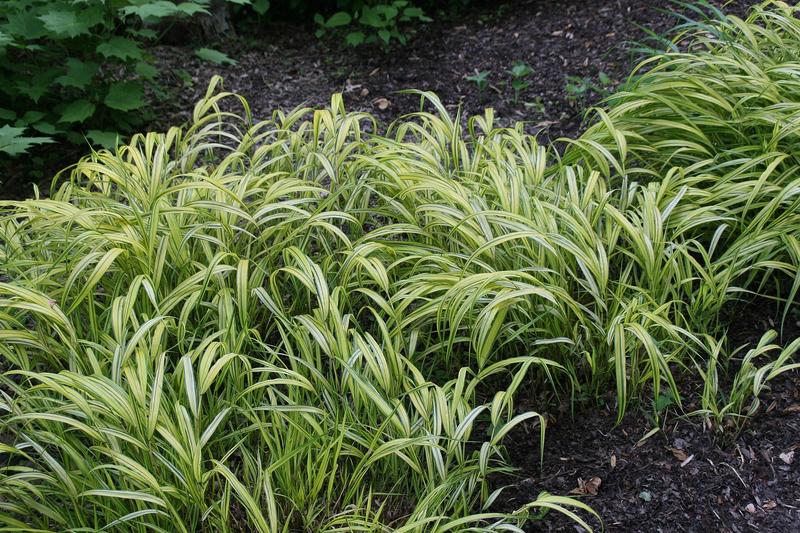
Quick facts
- Watering
- Weekly during growing season
- Sunlight
- Partial shade
- Soil
- Moist, humus-rich, well-drained
- Humans
- Safe
- Cats
- Safe
- Dogs
- Safe
- Height
- 30–40 cm
- Spread
- 40–60 cm
- Spacing
- 45–60 cm apart
- RHS recognition
- Award of Garden Merit
About Hakone Grass
Hakone Grass is an elegant, slow-growing ornamental grass native to the mountainous woodlands of Japan. Its gracefully arching, bamboo-like foliage forms cascading mounds that bring movement and texture to shaded areas where few grasses thrive. UK gardeners prize it for its exceptional autumn colour, turning shades of bronze, pink, and red, and for its ability to brighten woodland gardens, containers, and shady borders. The variegated cultivar 'Aureola' with golden-yellow striped leaves is particularly popular in British gardens.
UK fact: Hakonechloa macra 'Aureola' holds the RHS Award of Garden Merit and has become one of the most sought-after ornamental grasses for British shade gardens since its introduction to UK nurseries in the 1990s.
Watering Hakone Grass
Water regularly during the growing season, particularly in the first two years after planting whilst the root system establishes. Hakone Grass prefers consistently moist but not waterlogged soil, so weekly watering during dry spells is essential. In containers, check moisture levels every few days during summer as they dry out more quickly. Reduce watering in autumn and winter when the plant is dormant, though established plants in the ground rarely need supplementary watering outside the growing season.
Sunlight requirements
Hakone Grass performs best in partial shade or dappled sunlight, making it ideal for north-facing borders or beneath deciduous trees. In the UK, variegated forms like 'Aureola' can tolerate more sun in northern regions but may scorch in hot, sunny positions in southern counties. Morning sun with afternoon shade is the ideal combination for maintaining vibrant leaf colour whilst preventing leaf burn.
Soil and feeding
Hakone Grass thrives in fertile, humus-rich soil that retains moisture without becoming waterlogged. Incorporate plenty of organic matter such as well-rotted compost or leaf mould before planting to improve both moisture retention and drainage. The ideal pH is slightly acidic to neutral (5.5-7.0), though it tolerates a range of soil types. In heavy clay, improve drainage by adding grit and organic matter, whilst sandy soils benefit from generous amounts of compost to boost moisture retention.
Apply a balanced slow-release fertiliser in early spring as new growth emerges, or mulch around the base with a 5cm layer of well-rotted compost or leaf mould. Container-grown plants benefit from monthly feeding with a liquid fertiliser during the growing season from April to August. Avoid high-nitrogen feeds which can reduce the intensity of autumn colour and variegation.
Pruning Hakone Grass
Cut back the previous year's foliage in late February or early March before new growth begins, removing all dead and tatty leaves to ground level. Use sharp secateurs or shears to make clean cuts, and compost the removed material. Some gardeners prefer to leave the attractive winter foliage in place until early spring for structural interest, as the bleached leaves can look striking when frosted. Hakone Grass is slow-growing and requires no other pruning throughout the year.
Propagating Hakone Grass
Hakone Grass is best propagated by division in spring as new growth appears, typically in April or early May. Carefully lift established clumps with a garden fork, taking care not to damage the rhizomes, then use two forks back-to-back or a sharp spade to divide the clump into sections, each with healthy roots and shoots. Replant divisions immediately at the same depth, water well, and keep moist until established. Division also rejuvenates older clumps that have become congested, though Hakone Grass is slow-growing and rarely needs dividing more than every 5-7 years.
Common problems
Hakone Grass is generally trouble-free with few serious pests or diseases affecting it in UK gardens. Slugs and snails may occasionally damage young emerging shoots in spring, so apply organic slug pellets or use beer traps if damage is severe. In very wet, poorly drained soil, root rot can occur, so ensuring good drainage is essential. Leaf scorch can develop if plants are grown in too much direct sun, particularly in southern England, causing brown, crispy leaf edges; move affected plants to a shadier position or provide afternoon shade.
Spot a problem with your plant? Photograph the affected area using the Loam app and it will suggest the most likely cause and treatment.
Safety
- Humans
- Safe
- Cats
- Safe
- Dogs
- Safe
Toxicity information is for general guidance only.
Seasonal care calendar
Monthly care guide for Hakone Grass in the UK, based on average conditions.
| Month | Care tasks |
|---|---|
| January | No action needed; leave winter foliage for structure and frost interest. |
| February | Cut back old foliage to ground level in late February before new growth emerges. |
| March | Apply slow-release fertiliser and mulch with compost as new shoots appear. |
| April | Divide established clumps if needed; water regularly as growth accelerates. |
| May | Water weekly during dry spells; watch for slug damage on new growth. |
| June | Maintain regular watering; feed container plants with liquid fertiliser. |
| July | Continue watering during dry periods; foliage reaches peak summer colour. |
| August | Water regularly; feed container plants for the last time this season. |
| September | Enjoy developing autumn colour as foliage turns bronze, pink, and red. |
| October | Reduce watering as growth slows; autumn colour at its peak. |
| November | Leave bleached foliage in place for winter structure and interest. |
| December | No action needed; enjoy winter foliage, especially when frosted. |
Frequently asked questions
- Why is my Hakone Grass turning brown at the edges?
- Brown leaf edges are usually caused by too much direct sun, particularly in southern UK gardens. Hakone Grass prefers partial shade, and variegated forms like 'Aureola' are especially prone to leaf scorch in hot, sunny positions. Move affected plants to a shadier spot with morning sun and afternoon shade, or provide temporary shading during the hottest part of the day. Insufficient watering during dry spells can also cause browning, so ensure the soil remains consistently moist.
- When should I cut back Hakone Grass and how do I know if it needs dividing?
- Cut back old foliage in late February or early March before new growth begins. Hakone Grass is slow-growing and rarely needs dividing, but if the centre of the clump dies back or growth becomes sparse, division in April will rejuvenate it. The Loam app can send you personalised reminders for pruning and division based on your garden's conditions and help you track your plant's growth over time.
- Can Hakone Grass be grown in containers?
- Yes, Hakone Grass is excellent for containers and particularly suits shaded patios and courtyards. Use a soil-based compost such as John Innes No. 3 mixed with extra organic matter for moisture retention, and ensure the pot has drainage holes. Container plants need more frequent watering than those in the ground, typically every few days in summer, and benefit from monthly liquid feeding during the growing season. Protect pots from severe frost by moving them to a sheltered spot or wrapping in fleece.
Got a question about growing Hakone Grass that isn't covered here? Ask the Garden Advisor in the Loam app. It knows your saved plants and local conditions.
Related plants
This page was compiled with AI assistance and reviewed by our team. .