Lilyturf
Ophiopogon planiscapus
Grasses and Ferns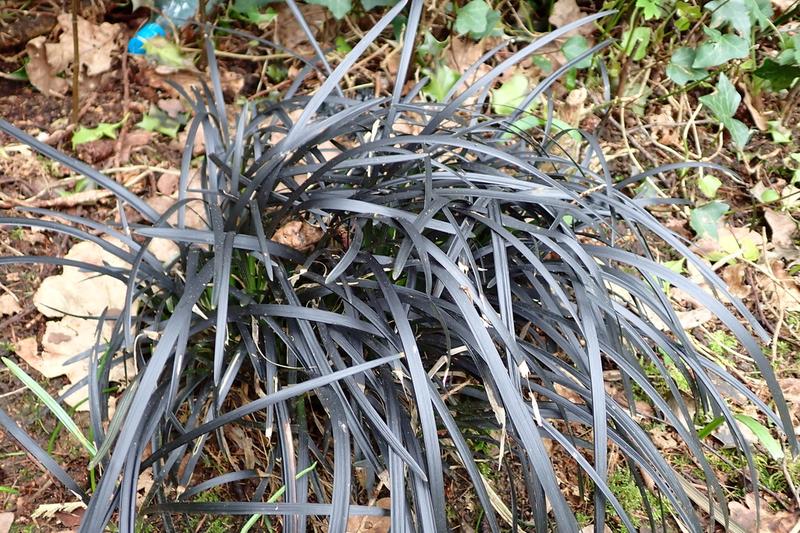
Quick facts
- Watering
- Weekly during establishment
- Sunlight
- Partial shade to full shade
- Soil
- Moist, well-drained, humus-rich
- Humans
- Unknown
- Cats
- Unknown
- Dogs
- Unknown
- Height
- 15–25 cm
- Spread
- 25–30 cm
- Spacing
- 20–25 cm apart
- RHS recognition
- Award of Garden Merit
About Lilyturf
Lilyturf is an evergreen perennial from Japan, prized for its dramatic near-black foliage that forms dense, arching clumps. Despite its grass-like appearance, it belongs to the asparagus family and produces small white to pale pink flowers in summer, followed by glossy black berries. UK gardeners value it as exceptional ground cover for shady borders, woodland gardens, and contemporary planting schemes where its dark leaves provide striking contrast. The cultivar 'Nigrescens' is particularly popular in British gardens for its intensely dark purple-black foliage.
UK fact: Ophiopogon planiscapus 'Nigrescens' holds the RHS Award of Garden Merit and has become a staple in British show gardens at Chelsea and Hampton Court, where designers use its inky foliage to create dramatic contrasts with silver and lime-green plants.
Watering Lilyturf
Water regularly during the first growing season to establish a deep root system, particularly during dry spells from May to September. Once established, lilyturf is remarkably drought-tolerant and rarely needs supplementary watering in most UK regions. In containers or very free-draining soils, water weekly during prolonged dry periods. Avoid waterlogging, which can cause root rot, especially in heavy clay soils during wet British winters.
Sunlight requirements
Lilyturf thrives in partial to full shade, making it ideal for north-facing borders and beneath trees where many plants struggle. In the UK, it tolerates some morning sun but the darkest foliage colour develops in shadier positions. Avoid hot, south-facing spots where leaves may scorch during summer heatwaves.
Soil and feeding
Lilyturf prefers fertile, moisture-retentive soil enriched with organic matter such as leaf mould or well-rotted compost. It tolerates a wide pH range from slightly acidic to neutral (pH 5.5-7.0) and adapts to most UK soil types. Improve heavy clay with grit and organic matter to ensure adequate drainage, as winter waterlogging can damage plants. In sandy soils, incorporate plenty of compost to improve moisture retention.
Apply a balanced slow-release fertiliser in early spring or mulch with a 5cm layer of well-rotted compost or leaf mould. Avoid high-nitrogen feeds which promote lush growth at the expense of the characteristic dark foliage colour. Container-grown plants benefit from a liquid feed every 4-6 weeks during the growing season.
Pruning Lilyturf
Lilyturf requires minimal pruning but benefits from tidying in early spring before new growth emerges. Remove any damaged, frost-scorched, or tatty leaves by cutting back to ground level in March. This rejuvenates the clump and makes way for fresh foliage. Deadhead spent flower stems if desired, though the black berries provide winter interest. Divide congested clumps every 3-4 years to maintain vigour.
Propagating Lilyturf
Propagate lilyturf by division in spring (March to April) when new growth begins. Lift established clumps carefully with a fork and tease apart or cut into sections, ensuring each division has healthy roots and several growing points. Replant divisions immediately at the same depth, spacing 20-25cm apart, and water well. Alternatively, sow fresh seed in autumn in a cold frame, though seedlings may take 2-3 years to reach flowering size and may not come true to type. Division is the most reliable method for maintaining the dark foliage characteristics of named cultivars.
Common problems
Lilyturf is generally trouble-free in UK gardens but can suffer from slug and snail damage to young foliage, particularly in damp, shaded conditions. Apply organic slug pellets or use beer traps in spring when new growth is vulnerable. Root rot may occur in poorly drained soils during wet winters; improve drainage with grit and avoid planting in waterlogged areas. Occasionally, leaves develop brown tips due to drought stress or cold wind exposure; remove affected foliage and improve growing conditions. Lilyturf is rarely affected by serious pests or diseases.
Spot a problem with your plant? Photograph the affected area using the Loam app and it will suggest the most likely cause and treatment.
Safety
- Humans
-
Unknown
No confirmed toxicity data available. As with all plants, avoid ingestion and supervise children.
- Cats
-
Unknown
No confirmed toxicity data available. Monitor pets and consult a vet if ingestion occurs.
- Dogs
-
Unknown
No confirmed toxicity data available. Monitor pets and consult a vet if ingestion occurs.
Toxicity information is for general guidance only. If a person or pet has been exposed to this plant and you are concerned, seek advice from a medical professional or vet.
Seasonal care calendar
Monthly care guide for Lilyturf in the UK, based on average conditions.
| Month | Care tasks |
|---|---|
| January | No action needed. Foliage provides winter structure. |
| February | No action needed. Monitor for frost damage in severe weather. |
| March | Cut back any damaged or tatty foliage before new growth emerges. Divide congested clumps. Apply slow-release fertiliser or mulch with compost. |
| April | New growth appears. Water newly planted or divided specimens regularly. Watch for slug damage. |
| May | Continue watering during dry spells. Fresh foliage fills out. |
| June | Flower spikes begin to appear. Water during prolonged dry periods. |
| July | Flowers open, typically white to pale pink. Maintain watering in dry weather. |
| August | Flowering continues. Berries begin to form. Water if needed. |
| September | Black berries develop, providing ornamental interest. Reduce watering as temperatures cool. |
| October | Berries persist. Sow fresh seed in cold frame if propagating. Reduce watering. |
| November | No action needed. Evergreen foliage provides structure. |
| December | No action needed. Foliage and berries provide winter interest. |
Frequently asked questions
- Why is my black lilyturf turning green?
- Lilyturf foliage turns green rather than black when grown in too much direct sunlight or fed with high-nitrogen fertiliser. Move plants to a shadier position and avoid nitrogen-rich feeds. The darkest colour develops in partial to full shade with balanced feeding. New growth in spring may appear greenish before darkening as it matures.
- How do I know when my lilyturf needs dividing?
- Divide lilyturf when clumps become congested with reduced flowering, typically every 3-4 years. The Loam app can track your planting date and send reminders when division is due, plus provide step-by-step guidance tailored to your garden's conditions and your experience level.
- Can lilyturf grow in deep shade under trees?
- Yes, lilyturf is one of the best ground cover plants for deep shade beneath trees in UK gardens. It tolerates dry shade and root competition better than most perennials. Improve soil with organic matter at planting and water regularly during establishment. Growth may be slower in very deep shade but plants remain healthy and provide year-round foliage interest.
Got a question about growing Lilyturf that isn't covered here? Ask the Garden Advisor in the Loam app. It knows your saved plants and local conditions.
Related plants
This page was compiled with AI assistance and reviewed by our team. .