Sweet Flag
Acorus calamus
Grasses and Ferns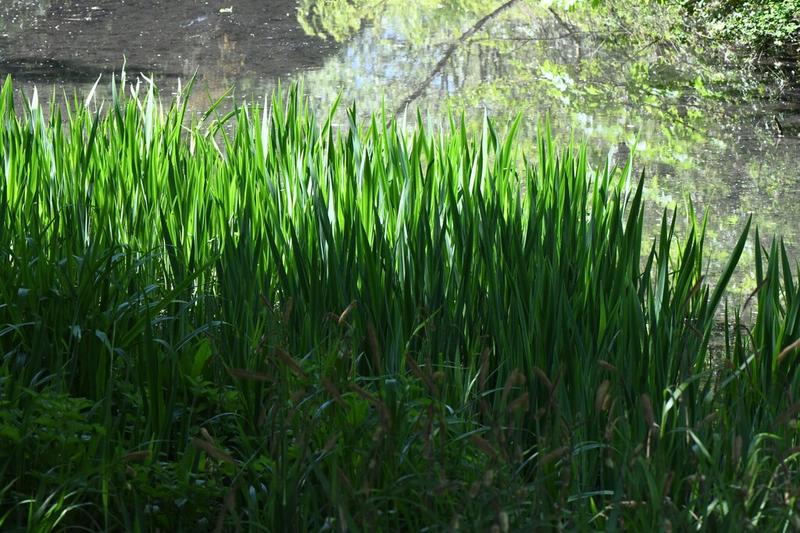
Quick facts
- Watering
- Constantly moist to waterlogged
- Sunlight
- Full sun to partial shade
- Soil
- Heavy, moisture-retentive, fertile loam
- Humans
- Toxic
- Cats
- Toxic
- Dogs
- Toxic
- Height
- 60–120 cm
- Spread
- 45–90 cm
- Spacing
- 45–60 cm apart
About Sweet Flag
Sweet Flag is a semi-aquatic perennial with sword-shaped, aromatic leaves that form dense clumps along pond margins and boggy areas. Native to Asia and Eastern Europe, this ancient plant has been naturalised in Britain for centuries, valued for its fragrant rhizomes and architectural foliage. UK gardeners prize it for adding vertical interest to water features and wildlife ponds, where its iris-like leaves create a striking backdrop. The entire plant releases a sweet, spicy scent when crushed, making it a sensory addition to marginal plantings.
UK fact: Sweet Flag has a long history in Britain, where it was traditionally strewn on floors of medieval churches and great halls for its pleasant fragrance when walked upon, a practice documented in English herbals dating back to the 16th century.
Watering Sweet Flag
As a marginal aquatic plant, Sweet Flag requires permanently wet conditions and thrives in standing water up to 15cm deep. Plant directly in pond margins, bog gardens, or containers submerged in water features. In exceptionally dry UK summers, ensure water levels don't drop below the root zone. Container-grown specimens need daily watering during warm weather to maintain saturated compost.
Sunlight requirements
Sweet Flag thrives in full sun but tolerates partial shade, particularly in warmer southern counties where some afternoon shade prevents leaf scorch. In northern Britain, position in full sun to maximise growth and vigour. South-facing or west-facing pond margins are ideal, though the plant adapts well to east-facing aspects.
Soil and feeding
Sweet Flag demands constantly wet, heavy soil rich in organic matter, thriving in clay-based pond margins and bog gardens. The plant tolerates a wide pH range from slightly acidic to slightly alkaline (pH 5.5-7.5), making it suitable for most UK water features. Incorporate well-rotted manure or garden compost when planting in bog gardens to boost fertility. Avoid free-draining soils entirely, as the plant cannot tolerate drought.
Apply a slow-release aquatic fertiliser in spring, using pellets designed for marginal pond plants to avoid algae blooms. Alternatively, top-dress bog garden plantings with well-rotted manure in March. Avoid overfeeding, as excessive nutrients can promote lush growth prone to flopping.
Pruning Sweet Flag
Remove dead or damaged leaves in early spring before new growth emerges, cutting back to the base with clean secateurs. Tidy plants in autumn by removing yellowing foliage, though some gardeners leave seed heads for winter interest. Divide congested clumps every 3-4 years in spring to maintain vigour and prevent overcrowding in smaller ponds.
Propagating Sweet Flag
Sweet Flag propagates readily by division of rhizomes in spring (April to May) when new growth appears. Lift established clumps and separate into sections, ensuring each has several growing points and healthy roots. Replant divisions immediately at the same depth in wet soil or shallow water. Rhizome cuttings taken in early summer also root easily when placed horizontally in trays of wet compost submerged in water.
Common problems
Sweet Flag is largely trouble-free in UK gardens, with few serious pests or diseases. Aphids occasionally colonise young shoots in spring but rarely cause lasting damage and can be hosed off with water. Iris sawfly larvae may feed on leaves, creating notched edges, though infestations are uncommon. Poor growth usually indicates insufficient moisture or overcrowding, whilst yellowing leaves in summer suggest the plant has dried out or water levels have dropped too low.
Spot a problem with your plant? Photograph the affected area using the Loam app and it will suggest the most likely cause and treatment.
Safety
- Humans
-
Toxic
The rhizomes contain β-asarone, a compound that may be carcinogenic and toxic if consumed in large quantities. Avoid ingestion and handle with care.
- Cats
-
Toxic
Contains β-asarone which can cause digestive upset and neurological symptoms if ingested. Keep cats away from the plant.
- Dogs
-
Toxic
Contains β-asarone which can cause vomiting, diarrhoea, and neurological symptoms if ingested. Keep dogs away from the plant.
Toxicity information is for general guidance only. If a person or pet has been exposed to this plant and you are concerned, seek advice from a medical professional or vet.
Seasonal care calendar
Monthly care guide for Sweet Flag in the UK, based on average conditions.
| Month | Care tasks |
|---|---|
| January | No action needed; plant is dormant. |
| February | No action needed; plant is dormant. |
| March | Remove dead foliage and apply slow-release aquatic fertiliser as new shoots emerge. |
| April | Divide congested clumps and replant divisions in pond margins or bog gardens. |
| May | Monitor water levels and ensure soil remains saturated as temperatures rise. |
| June | Take rhizome cuttings for propagation; watch for aphids on new growth. |
| July | Maintain water levels during dry spells; top up ponds and containers regularly. |
| August | Continue monitoring water levels; remove any damaged or diseased leaves. |
| September | Reduce watering frequency as temperatures cool; foliage begins to yellow naturally. |
| October | Tidy yellowing foliage or leave seed heads for winter interest and wildlife. |
| November | No action needed; plant enters dormancy. |
| December | No action needed; plant is dormant. |
Frequently asked questions
- Can Sweet Flag grow in a pond?
- Yes, Sweet Flag is an ideal marginal pond plant that thrives in standing water up to 15cm deep. Plant it in aquatic baskets at the pond edge or directly into bog gardens for best results in UK water features.
- Why are my Sweet Flag leaves turning yellow?
- Yellowing leaves usually indicate the plant has dried out or water levels have dropped too low. Check soil moisture and water levels immediately. The Loam app can send you reminders to monitor water features during dry spells and help diagnose other potential issues.
- How do I stop Sweet Flag from spreading too much?
- Grow Sweet Flag in submerged aquatic baskets to contain its spreading rhizomes, or divide clumps every 3-4 years in spring to control size. Remove unwanted sections promptly to prevent overcrowding in smaller ponds.
Got a question about growing Sweet Flag that isn't covered here? Ask the Garden Advisor in the Loam app. It knows your saved plants and local conditions.
Related plants
This page was compiled with AI assistance and reviewed by our team. .