Iris
Iris germanica
Perennials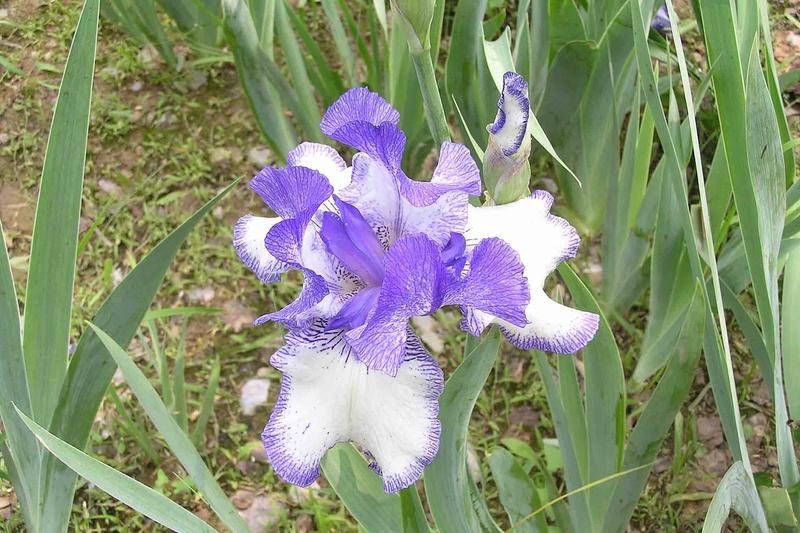
Quick facts
- Watering
- Minimal once established
- Sunlight
- Full sun
- Soil
- Well-drained, neutral to alkaline
- Humans
- Toxic
- Cats
- Toxic
- Dogs
- Toxic
- Height
- 60–90 cm
- Spread
- 30–45 cm
- Spacing
- 30–45 cm apart
- RHS recognition
- Award of Garden Merit
About Iris
Iris germanica, commonly known as bearded iris, is a striking perennial renowned for its large, showy flowers in shades of purple, blue, yellow, white, and bicolours, each bloom featuring distinctive fuzzy 'beards' on the lower petals. Native to central and southern Europe, this classic cottage garden plant has been cultivated in British gardens for centuries, prized for its bold architectural foliage and spectacular late spring to early summer display. UK gardeners value irises for their drought tolerance once established, their ability to thrive in sunny borders, and their excellent cut flower qualities. The sword-like grey-green leaves provide structural interest even when plants are not in bloom.
UK fact: Many Iris germanica cultivars have received the RHS Award of Garden Merit, and the species has been a mainstay of British cottage gardens since medieval times, when irises were grown not only for ornament but also for their rhizomes, which were used in perfumery and herbal medicine.
Watering Iris
Water newly planted irises regularly during their first growing season to establish strong root systems, providing approximately 2.5 cm of water weekly during dry spells. Once established, bearded irises are remarkably drought-tolerant and require watering only during prolonged dry periods in summer. Avoid overhead watering and ensure rhizomes are not sitting in waterlogged soil, as this encourages rot. In typical UK conditions, established plants rarely need supplementary watering except during exceptional droughts.
Sunlight requirements
Bearded irises require full sun to flower well, needing at least six hours of direct sunlight daily. In the UK, position plants in south or west-facing borders where they receive maximum light exposure. Whilst they tolerate light afternoon shade in very hot summers, insufficient sun results in poor flowering and increased disease susceptibility.
Soil and feeding
Bearded irises thrive in well-drained, moderately fertile soil with a neutral to slightly alkaline pH of 6.5-7.5, making them well-suited to many UK gardens, particularly those with chalky or limestone soils. Heavy clay soils must be improved with grit and organic matter to ensure adequate drainage, or consider planting rhizomes on slight mounds or raised beds. The rhizomes should be planted shallowly with their tops exposed to sunlight, which helps prevent rot and encourages flowering. Avoid overly rich or moisture-retentive soils, which promote soft growth and fungal diseases.
Apply a low-nitrogen fertiliser such as a tomato feed or bone meal in early spring as new growth emerges, and again after flowering finishes in July. Avoid high-nitrogen feeds, which encourage lush foliage at the expense of flowers and increase susceptibility to soft rot.
Pruning Iris
Remove individual spent flowers promptly to maintain appearance, but leave the flower stalk until all blooms have finished, then cut it down to the base. Trim away any yellowing or damaged leaves throughout the growing season, and in autumn cut back foliage to about 15 cm to reduce the risk of iris leaf spot overwintering. Every three to four years in late summer, lift and divide congested clumps, discarding old woody centres and replanting healthy outer rhizomes.
Propagating Iris
Bearded irises are easily propagated by division of rhizomes in late summer, ideally from July to September after flowering has finished. Lift established clumps with a fork, then use a sharp knife to separate healthy rhizomes with at least one fan of leaves attached, discarding any soft, damaged, or old woody sections. Trim the foliage back to 15 cm and replant rhizomes shallowly with the top third exposed, spacing them 30-45 cm apart. Divisions establish quickly and typically flower in their second year.
Common problems
Iris leaf spot (caused by Mycosphaerella macrospora) is the most common problem in the UK, causing brown oval lesions on leaves; remove affected foliage promptly and improve air circulation. Bacterial soft rot can affect rhizomes, particularly in wet conditions or poorly drained soil, causing foul-smelling decay; dig out and destroy affected plants and improve drainage. Slugs and snails may damage emerging shoots in spring. Iris sawfly larvae occasionally strip foliage in early summer; remove by hand or treat with appropriate insecticide if severe.
Spot a problem with your plant? Photograph the affected area using the Loam app and it will suggest the most likely cause and treatment.
Safety
- Humans
-
Toxic
All parts of the iris, particularly the rhizomes, contain irisin and other compounds that can cause nausea, vomiting, abdominal pain, and diarrhoea if ingested. Skin contact with the sap may cause irritation in sensitive individuals.
- Cats
-
Toxic
Iris rhizomes and leaves are toxic to cats, causing drooling, vomiting, diarrhoea, and lethargy if ingested. Contact a vet if consumption is suspected.
- Dogs
-
Toxic
All parts of the iris are toxic to dogs, with rhizomes being most dangerous. Ingestion causes vomiting, diarrhoea, drooling, and abdominal pain. Seek veterinary attention if consumed.
Toxicity information is for general guidance only. If a person or pet has been exposed to this plant and you are concerned, seek advice from a medical professional or vet.
Seasonal care calendar
Monthly care guide for Iris in the UK, based on average conditions.
| Month | Care tasks |
|---|---|
| January | No action needed; plants are dormant. |
| February | Check rhizomes are not waterlogged; improve drainage if necessary. |
| March | Apply low-nitrogen fertiliser as new growth emerges. Remove winter debris. |
| April | Watch for emerging flower buds. Check for slug and snail damage on new shoots. |
| May | Enjoy the flowering display. Deadhead spent blooms daily. |
| June | Continue deadheading. Cut down flower stalks once all blooms have finished. |
| July | Apply second feed after flowering. Begin dividing congested clumps if needed. |
| August | Ideal time for division and replanting. Ensure rhizomes are exposed to sun. |
| September | Complete any division work. Remove yellowing leaves to reduce disease. |
| October | Cut back foliage to 15 cm. Clear away debris to prevent overwintering pests. |
| November | Ensure good drainage around rhizomes before winter rains arrive. |
| December | No action needed; plants are dormant. |
Frequently asked questions
- Why is my iris not flowering?
- The most common reasons for non-flowering irises in the UK are insufficient sunlight (they need at least six hours daily), overcrowding (divide clumps every 3-4 years), rhizomes planted too deeply (the top third should be exposed), or excess nitrogen fertiliser promoting foliage over flowers. Newly divided plants may also skip a year before blooming.
- How do I know when to divide my iris?
- Divide irises when clumps become congested with reduced flowering, typically every 3-4 years in late summer (July-September). The Loam app can track your planting date and send timely reminders for division, plus help you identify whether poor flowering is due to overcrowding or other factors through personalised diagnostics.
- Can I grow bearded iris in pots?
- Yes, bearded irises grow well in containers provided they're at least 30 cm wide and deep with excellent drainage. Use a loam-based compost such as John Innes No. 2 mixed with extra grit, ensure the rhizome top is exposed, and position pots in full sun. Container-grown plants need more frequent feeding and may require division every 2-3 years rather than 3-4.
Got a question about growing Iris that isn't covered here? Ask the Garden Advisor in the Loam app. It knows your saved plants and local conditions.
Related plants
This page was compiled with AI assistance and reviewed by our team. .