Agapanthus
Agapanthus africanus
Perennials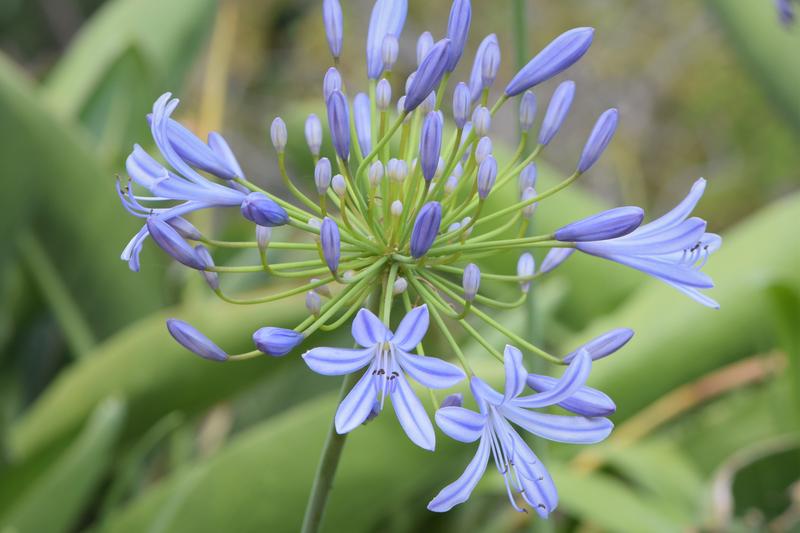
Quick facts
- Watering
- Weekly during growing season
- Sunlight
- Full sun
- Soil
- Well-drained, moderately fertile
- Humans
- Toxic
- Cats
- Toxic
- Dogs
- Toxic
- Height
- 60–100 cm
- Spread
- 40–60 cm
- Spacing
- 45–60 cm apart
- RHS recognition
- Award of Garden Merit
About Agapanthus
Agapanthus is a striking South African perennial renowned for its spherical clusters of trumpet-shaped flowers in shades of blue, purple, or white, held aloft on tall, sturdy stems above clumps of arching, strap-like foliage. Originally from the Cape region, it has become a beloved feature in British gardens, particularly in coastal and southern areas where its exotic appearance brings a Mediterranean feel to borders and containers. UK gardeners prize agapanthus for its long flowering season from June to September, architectural form, and ability to thrive in sunny, well-drained spots. The plant's bold presence makes it ideal for creating focal points in gravel gardens, mixed borders, and large pots on patios.
UK fact: Many agapanthus cultivars have received the RHS Award of Garden Merit, and the plant performs particularly well in coastal British gardens where mild winters and free-draining soil mirror its native Cape conditions, with Cornwall and the south coast producing especially impressive displays.
Watering Agapanthus
Agapanthus needs consistent moisture during active growth from April to September, particularly when flower buds are forming. Water deeply once a week during dry spells, ensuring the root zone is thoroughly moistened but never waterlogged. Container-grown plants require more frequent watering, potentially twice weekly in hot weather. Reduce watering significantly in autumn and keep almost dry through winter, as excessive moisture during dormancy can cause the fleshy roots to rot, especially in heavy soils.
Sunlight requirements
Plant in the sunniest position available, ideally receiving at least six hours of direct sunlight daily. South-facing borders and patios are ideal in the UK, as the warmth encourages flowering and helps ripen the crowns for winter survival. In shadier spots, agapanthus will produce lush foliage but significantly fewer flower spikes, so avoid planting beneath trees or on north-facing walls.
Soil and feeding
Plant in well-drained, moderately fertile soil with a neutral to slightly acidic pH of 6.0-7.0. Heavy clay soils must be improved with horticultural grit and organic matter to ensure adequate drainage, as waterlogged roots are the primary cause of failure in British gardens. Sandy or gravelly soils are ideal, and agapanthus tolerates poor, dry conditions once established. In containers, use a loam-based compost such as John Innes No. 2 mixed with extra grit for drainage.
Apply a balanced liquid fertiliser in early spring as growth begins, then switch to a high-potash tomato feed from May onwards, applying every two weeks until flowering finishes. This potassium boost promotes flower production and helps harden growth for winter. Avoid high-nitrogen feeds which encourage leafy growth at the expense of blooms.
Pruning Agapanthus
Remove faded flower heads by cutting stems down to the base once blooms have finished, which tidies the plant and prevents energy being wasted on seed production. Leave the foliage intact through autumn and winter, as it provides valuable protection to the crown during cold weather. In March or early April, cut away any dead, damaged, or tatty leaves to make way for fresh growth. Deciduous varieties will naturally die back completely, whilst evergreen types retain their leaves year-round in mild areas.
Propagating Agapanthus
Division is the most reliable method for agapanthus, undertaken in April or May when growth resumes. Lift established clumps carefully with a fork, then use two forks back-to-back or a sharp spade to separate the crown into sections, ensuring each division has healthy roots and several growing points. Replant immediately at the same depth, watering well. Seed-raised plants take three to four years to flower and may not come true to type, but provide an economical way to raise large numbers.
Common problems
Agapanthus is generally trouble-free in the UK, but slugs and snails can damage emerging shoots and flower buds in spring, requiring vigilant control with organic pellets or barriers. In cold, wet winters, crown rot may occur if drainage is inadequate, causing the fleshy roots to turn mushy and the plant to collapse; prevention through good soil preparation is essential. Failure to flower is common and usually results from too much shade, excessive nitrogen feeding, or planting too deeply rather than disease. Occasionally, viruses may cause yellow streaking or distortion of leaves, and affected plants should be removed and destroyed to prevent spread.
Spot a problem with your plant? Photograph the affected area using the Loam app and it will suggest the most likely cause and treatment.
Safety
- Humans
-
Toxic
All parts of agapanthus contain toxic compounds that can cause stomach upset, nausea, and vomiting if ingested. Sap may cause skin irritation in sensitive individuals.
- Cats
-
Toxic
Agapanthus is toxic to cats and can cause vomiting, diarrhoea, and abdominal pain if eaten. Keep cats away from plants.
- Dogs
-
Toxic
Toxic to dogs, causing vomiting, diarrhoea, and drooling if ingested. Contact a vet immediately if consumption is suspected.
Toxicity information is for general guidance only. If a person or pet has been exposed to this plant and you are concerned, seek advice from a medical professional or vet.
Seasonal care calendar
Monthly care guide for Agapanthus in the UK, based on average conditions.
| Month | Care tasks |
|---|---|
| January | No action needed. Leave protective foliage in place and ensure winter mulch remains around the crown in cold regions. |
| February | Check winter protection is still in place. Begin planning division of overcrowded clumps for next month. |
| March | Remove dead foliage and tidy plants. Apply a balanced fertiliser around the base. Divide congested clumps towards month end. |
| April | Watch for emerging shoots and protect from slugs. Complete any division work early in the month. Begin weekly watering as growth accelerates. |
| May | Start fortnightly feeding with high-potash fertiliser. Water regularly during dry spells. Flower buds begin to form on established plants. |
| June | Continue feeding and watering. First flowers open. Stake tall varieties if needed in exposed positions. |
| July | Peak flowering period. Deadhead spent blooms promptly. Maintain regular watering and feeding regime, especially for container plants. |
| August | Continue deadheading and feeding. Water deeply during hot, dry weather. Late-flowering varieties reach their peak. |
| September | Remove final spent flower stems. Reduce feeding frequency. Continue watering if weather remains dry, but begin to taper off. |
| October | Stop feeding. Reduce watering significantly. Leave foliage in place to protect crowns. Apply mulch around plants in colder areas. |
| November | Apply protective mulch of bark or straw over crowns in cold regions. Move container plants to sheltered spots or wrap pots with bubble wrap. |
| December | No action needed. Keep plants dry through winter. Check container plants haven't become waterlogged after heavy rain. |
Frequently asked questions
- When should I cut back agapanthus?
- Cut back agapanthus foliage in March or April when new growth begins to emerge. Resist cutting back in autumn or winter, even if the leaves look untidy, as they provide valuable insulation for the crown during cold weather. Use clean, sharp secateurs to remove dead or damaged leaves at the base. Deciduous varieties will naturally die back completely over winter, whilst evergreen types retain their foliage in mild conditions.
- Why are my agapanthus leaves turning yellow?
- Yellowing leaves can indicate several issues: overwatering (especially in winter when plants need very little moisture), poor drainage causing root rot, nutrient deficiencies, or natural ageing of older foliage. Check that containers have adequate drainage holes and reduce watering frequency. If you're unsure what's causing the problem, the Loam app can help diagnose the issue through photos and provide personalised care advice based on your specific growing conditions.
- What type of soil do agapanthus need?
- Agapanthus thrive in well-drained, moderately fertile soil. They tolerate a range of soil types including sandy, loamy, or even slightly clay soils, provided drainage is excellent. Avoid overly rich soil, as this encourages lush foliage at the expense of flowers. For containers, use a loam-based compost (such as John Innes No. 2 or 3) mixed with horticultural grit or perlite in a 3:1 ratio to ensure sharp drainage. Slightly alkaline to neutral pH is ideal.
Got a question about growing Agapanthus that isn't covered here? Ask the Garden Advisor in the Loam app. It knows your saved plants and local conditions.
Related plants
This page was compiled with AI assistance and reviewed by our team. .