Nerine
Nerine bowdenii
Bulbs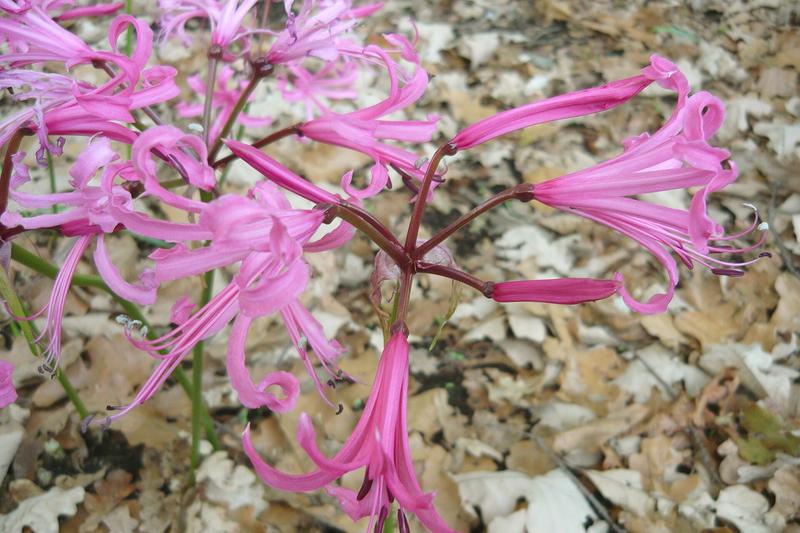
Quick facts
- Watering
- Minimal when dormant, moderate when growing
- Sunlight
- Full sun
- Soil
- Well-drained, sandy or gritty
- Humans
- Toxic
- Cats
- Toxic
- Dogs
- Toxic
- Height
- 45–60 cm
- Spread
- 8–10 cm
- Spacing
- 10–15 cm apart
- RHS recognition
- Award of Garden Merit
About Nerine
Nerine bowdenii is a South African bulb prized for its elegant clusters of pink, lily-like flowers that appear on bare stems in autumn. These striking perennials bring vibrant colour to UK gardens when many other plants are fading, with their funnel-shaped blooms and distinctive curled petals creating a dramatic display. British gardeners value nerines for their late-season interest and their ability to thrive in sunny, sheltered spots, particularly against south-facing walls. The glossy, strap-shaped foliage emerges after flowering and persists through winter, making them an excellent choice for well-drained borders and gravel gardens.
UK fact: Nerine bowdenii holds the RHS Award of Garden Merit and has naturalised successfully in many mild coastal areas of Cornwall and Devon, where established clumps can produce hundreds of flower stems each autumn without any winter protection.
Watering Nerine
Nerines have an unusual growth cycle that requires careful watering management. Keep bulbs almost dry during their summer dormancy from June to August, watering only if conditions are exceptionally dry. Begin watering moderately when flower spikes emerge in late summer and continue through autumn and winter whilst the foliage is present. Reduce watering as the leaves begin to yellow in late spring, then withhold water completely during summer dormancy. Good drainage is essential year-round to prevent bulb rot.
Sunlight requirements
Plant nerines in full sun where they'll receive at least six hours of direct sunlight daily. In the UK, a south-facing position against a warm wall is ideal, as the reflected heat helps ripen the bulbs and encourages prolific flowering. Avoid shaded areas, as insufficient light results in poor flowering and weak growth.
Soil and feeding
Plant nerines in sharply drained soil, ideally sandy or enriched with horticultural grit to ensure water drains away quickly. They tolerate poor to moderately fertile conditions and actually flower better in leaner soils rather than rich, heavy ground. A neutral to slightly alkaline pH of 6.5–7.5 is ideal. If your soil is heavy clay, grow nerines in raised beds or containers filled with a loam-based compost mixed with at least 30% grit.
Feed nerines sparingly, as they prefer lean conditions. Apply a tomato fertiliser or similar high-potash feed when flower spikes emerge in late summer and again in early spring as the foliage develops. Avoid high-nitrogen fertilisers, which promote leaf growth at the expense of flowers and can make bulbs more susceptible to frost damage.
Pruning Nerine
Cut back faded flower stems to the base once blooming finishes in late autumn, but resist the temptation to tidy the foliage. The strap-shaped leaves emerge after flowering and remain green through winter, photosynthesising to build up the bulb for next year's display. Only remove foliage once it has completely yellowed and died back naturally in May or June. Nerines flower best when left undisturbed, so avoid lifting or dividing clumps unless absolutely necessary.
Propagating Nerine
Nerines are most easily propagated by division of established clumps, though they resent disturbance and may take a year or two to recover and flower well again. The best time to divide is during the summer dormancy period in July or August. Alternatively, carefully remove offset bulbs that form around the parent bulb and pot them up individually. Seed propagation is possible but very slow, taking four to five years to reach flowering size, and seedlings may not come true to type.
Common problems
Nerines are generally trouble-free in the UK, though bulbs can rot in poorly drained or waterlogged soil, particularly during wet winters. Slugs and snails may damage emerging flower spikes and young foliage in autumn, so apply organic slug pellets or use barriers around plants. In cold, exposed gardens, frost can damage the winter foliage, though this rarely affects the bulbs themselves. Failure to flower is usually caused by insufficient sun, too much shade, planting bulbs too deeply, or disturbance from recent division.
Spot a problem with your plant? Photograph the affected area using the Loam app and it will suggest the most likely cause and treatment.
Safety
- Humans
-
Toxic
All parts of nerine contain toxic alkaloids that can cause nausea, vomiting, and diarrhoea if ingested. Handle bulbs with care and wash hands after contact.
- Cats
-
Toxic
Toxic to cats if ingested, causing vomiting, drooling, and gastrointestinal upset. Keep bulbs and plants out of reach.
- Dogs
-
Toxic
Toxic to dogs if ingested, causing vomiting, diarrhoea, and abdominal pain. Plant in areas inaccessible to pets.
Toxicity information is for general guidance only. If a person or pet has been exposed to this plant and you are concerned, seek advice from a medical professional or vet.
Seasonal care calendar
Monthly care guide for Nerine in the UK, based on average conditions.
| Month | Care tasks |
|---|---|
| January | Foliage is actively growing; ensure good drainage during wet weather. No other action needed. |
| February | Continue to monitor drainage. Apply a high-potash feed if not done in January. |
| March | Foliage continues to develop. Apply a second feed of high-potash fertiliser to support bulb development. |
| April | Foliage remains green and active. Keep area weed-free but avoid disturbing bulbs. |
| May | Foliage begins to yellow and die back naturally. Resist cutting back until completely brown. |
| June | Remove dead foliage once fully yellowed. Bulbs enter summer dormancy; withhold watering. |
| July | Dormancy period continues. This is the best time to divide congested clumps if necessary. Keep dry. |
| August | Watch for emerging flower spikes late in the month. Begin light watering if spikes appear. Apply high-potash feed. |
| September | Main flowering period begins. Water moderately and protect emerging spikes from slugs. Enjoy the display. |
| October | Flowering continues. Deadhead spent blooms. Foliage begins to emerge after flowers fade. |
| November | Cut back finished flower stems to the base. Foliage develops through the month. Water moderately. |
| December | Foliage is actively growing. In cold areas, apply a light mulch around (not over) bulbs for frost protection. |
Frequently asked questions
- When should I plant nerine bulbs?
- Plant nerine bulbs in spring (April to May) so they have time to establish before their summer dormancy. Position them with the neck of the bulb at or just above soil level in a sunny, well-drained spot. Autumn planting is possible but spring planting gives better results in the UK.
- Why are my nerine leaves appearing before the flowers?
- This is unusual, as nerines typically flower on bare stems in autumn with foliage appearing afterwards. If leaves emerge first, the bulbs may be planted too deeply, receiving insufficient summer baking, or experiencing stress from poor drainage or disturbance. Ensure bulbs are planted shallowly in full sun with excellent drainage. The Loam app can help diagnose specific problems with your nerine and provide personalised care advice based on your growing conditions.
- How often should I water nerines?
- Nerines have unusual watering needs that follow their growth cycle. Water sparingly or not at all during their summer dormancy (June to August) when they need to bake in dry conditions. Begin watering moderately when flower stems appear in late summer and continue through autumn and winter while foliage is present. Reduce watering as leaves die back in late spring. Always ensure excellent drainage as waterlogged bulbs will rot.
Got a question about growing Nerine that isn't covered here? Ask the Garden Advisor in the Loam app. It knows your saved plants and local conditions.
Related plants
This page was compiled with AI assistance and reviewed by our team. .