Ixia
Ixia maculata
Bulbs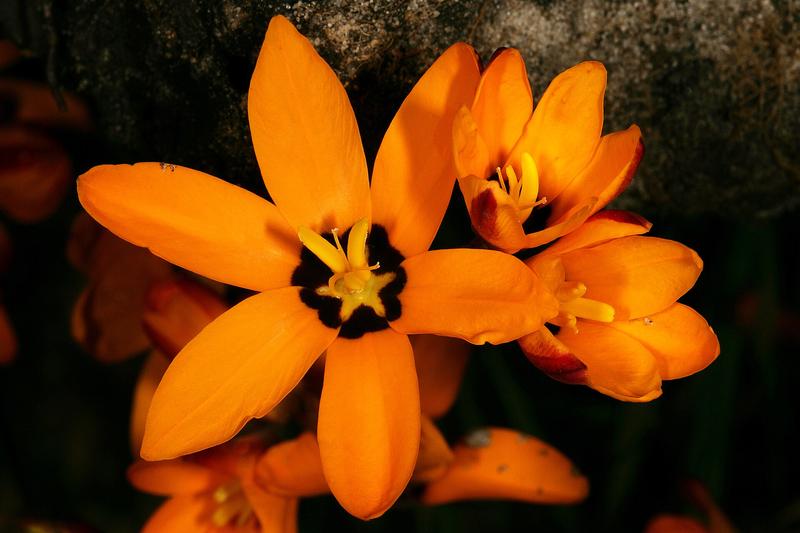
Quick facts
- Watering
- Moderate during growth
- Sunlight
- Full sun
- Soil
- Well-drained, sandy or gritty
- Humans
- Unknown
- Cats
- Unknown
- Dogs
- Unknown
- Height
- 30–45 cm
- Spread
- 5–10 cm
- Spacing
- 8–10 cm apart
About Ixia
Ixia is a striking South African cormous perennial producing wiry stems topped with star-shaped flowers in vibrant shades of pink, red, orange, yellow, and white, often with contrasting dark centres. Growing 30–45 cm tall, these graceful plants bloom in late spring to early summer, creating dazzling displays in borders and containers. UK gardeners prize ixias for their exotic appearance and ability to naturalise in sheltered, sunny spots, though they require winter protection in colder regions. Their long-lasting cut flowers and low maintenance requirements make them popular for cottage gardens and Mediterranean-style plantings.
UK fact: Ixia thrives particularly well in the milder coastal regions of Cornwall, Devon, and the Scilly Isles, where the temperate maritime climate closely resembles its native South African habitat, allowing corms to overwinter outdoors without protection.
Watering Ixia
Water moderately from spring when growth begins until flowering finishes, keeping the soil lightly moist but never waterlogged. During the UK's typically wet winters, ensure excellent drainage to prevent corm rot, particularly in heavy clay soils. After foliage dies back in summer, keep corms completely dry during their dormant period. In containers, reduce watering significantly once leaves begin to yellow and cease entirely when foliage has withered.
Sunlight requirements
Ixia demands full sun to produce abundant flowers and strong stems. In the UK, position corms in the sunniest spot available, ideally a south-facing border or against a warm wall that provides additional heat and shelter. Insufficient light results in weak, floppy growth and reduced flowering.
Soil and feeding
Ixia requires exceptionally well-drained soil and will rot in heavy, moisture-retentive conditions. Amend clay soils generously with horticultural grit, sharp sand, and organic matter to improve drainage, or grow in raised beds. A slightly acidic to neutral pH of 6.0–7.0 is ideal. In containers, use a loam-based compost such as John Innes No. 2 mixed with at least 30% grit for optimal drainage.
Apply a balanced liquid fertiliser every fortnight from when shoots emerge until flower buds form. Avoid high-nitrogen feeds which promote foliage at the expense of flowers. A light top-dressing of bone meal in early spring supports healthy corm development.
Pruning Ixia
Deadhead spent flowers to maintain a tidy appearance and prevent energy being diverted to seed production. Allow foliage to die back naturally after flowering, as the leaves continue photosynthesising to build up the corm for next year's display. Only remove leaves once they have turned completely yellow and withered, typically six to eight weeks after flowering ceases. Cut stems back to ground level once fully brown.
Propagating Ixia
Ixia propagates readily from offsets (cormlets) that form around the parent corm. Lift clumps in late summer once foliage has died back completely, carefully separate the offsets, and replant immediately at the correct depth. Cormlets typically take two to three years to reach flowering size. Alternatively, sow fresh seed in autumn in a cold frame, though seedlings are slow-growing and may take three to four years to flower. Division every three to four years prevents overcrowding and maintains vigour.
Common problems
Ixia is relatively trouble-free but corm rot caused by Fusarium or other fungi is the primary concern, particularly in poorly drained soils or during wet UK winters. Ensure excellent drainage and avoid overwatering to prevent this. Slugs and snails may damage emerging shoots in spring; use organic controls or barriers. Aphids occasionally colonise flower stems and buds, causing distortion; treat with insecticidal soap if necessary. In very cold winters without protection, corms may be killed by hard frosts below -5°C.
Spot a problem with your plant? Photograph the affected area using the Loam app and it will suggest the most likely cause and treatment.
Safety
- Humans
-
Unknown
No confirmed toxicity data available for Ixia species. Handle corms with care and wash hands after contact as a precaution.
- Cats
-
Unknown
Toxicity to cats not well documented. Monitor pets and contact a vet if ingestion occurs.
- Dogs
-
Unknown
Toxicity to dogs not well documented. Monitor pets and contact a vet if ingestion occurs.
Toxicity information is for general guidance only. If a person or pet has been exposed to this plant and you are concerned, seek advice from a medical professional or vet.
Seasonal care calendar
Monthly care guide for Ixia in the UK, based on average conditions.
| Month | Care tasks |
|---|---|
| January | Corms dormant. Check stored corms for rot if lifted; ensure winter protection is secure on outdoor plantings. |
| February | Corms dormant. In mild regions, first shoots may emerge late in the month; protect from frost. |
| March | Plant corms 8–10 cm deep outdoors in mild areas. Apply slug protection as shoots emerge. Begin watering as growth starts. |
| April | Plant corms in colder regions once frost risk passes. Water emerging foliage moderately. Apply balanced liquid feed fortnightly. |
| May | Continue fortnightly feeding. Water regularly during dry spells. Flower buds begin to form; stake tall varieties if needed. |
| June | Peak flowering period. Deadhead spent blooms regularly. Continue watering and feeding. Cut flowers for indoor displays. |
| July | Late flowers fade. Stop feeding once flowering finishes. Reduce watering as foliage begins to yellow naturally. |
| August | Allow foliage to die back completely. Cease watering. Lift corms in cold areas for winter storage; separate offsets. |
| September | Store lifted corms in dry, frost-free conditions. Leave corms in ground in mild coastal regions with excellent drainage. |
| October | Corms dormant. Check stored corms monthly. Apply mulch protection to outdoor corms in borderline areas. |
| November | Corms dormant. Ensure winter protection is adequate. Check stored corms and discard any showing signs of rot. |
| December | Corms dormant. Maintain frost protection on outdoor plantings. Keep stored corms cool and completely dry. |
Frequently asked questions
- When should I plant ixia bulbs in the UK?
- Plant ixia corms in March or April in most of the UK, once the worst frosts have passed and soil has begun to warm. In mild coastal areas of Cornwall, Devon, and southwest England, you can plant in autumn (September–October) for earlier flowering. Always plant 8–10 cm deep in well-drained soil in full sun.
- Why didn't my ixia flower this year?
- Common causes include insufficient sunlight, waterlogged soil, planting too deep or shallow, or frost damage to emerging buds. The Loam app can help you track your planting conditions and send timely reminders for protection during unexpected cold snaps, helping ensure successful flowering each season.
- Can I leave ixia corms in the ground over winter?
- In mild, sheltered areas with excellent drainage (RHS hardiness zone H3 or warmer), you can leave corms in the ground with a protective mulch. In colder regions or heavy soils, lift corms in late summer after foliage dies back and store them dry and frost-free until spring replanting to prevent rot and frost damage.
Got a question about growing Ixia that isn't covered here? Ask the Garden Advisor in the Loam app. It knows your saved plants and local conditions.
Related plants
This page was compiled with AI assistance and reviewed by our team. .