Gladioli
Gladiolus
Bulbs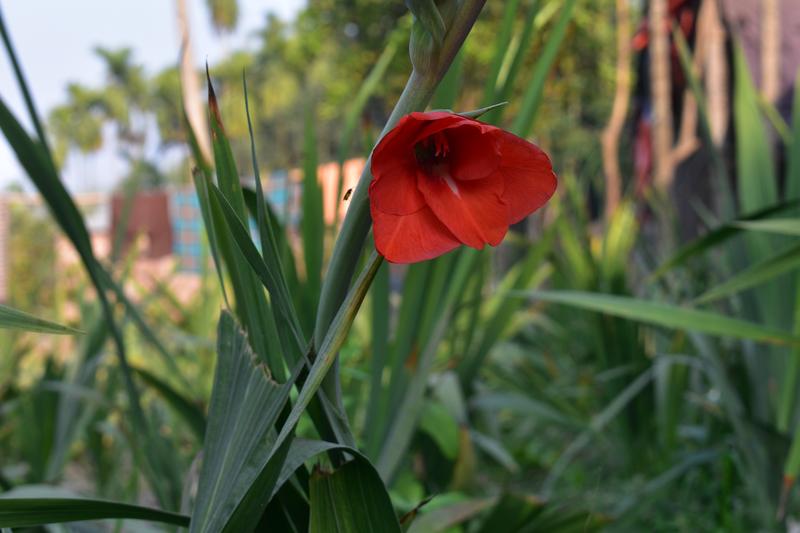
Quick facts
- Watering
- Weekly during growth
- Sunlight
- Full sun
- Soil
- Well-drained, fertile, sandy loam
- Humans
- Toxic
- Cats
- Toxic
- Dogs
- Toxic
- Height
- 60–150 cm
- Spread
- 8–15 cm
- Spacing
- 10–15 cm apart
- RHS recognition
- Award of Garden Merit
About Gladioli
Gladioli are striking summer-flowering corms native to South Africa, producing tall spikes of funnel-shaped blooms in virtually every colour imaginable. Their dramatic vertical form and long-lasting cut flowers make them a favourite for British cottage gardens and cutting borders. Growing 60–150 cm tall, gladioli bring bold architectural interest to summer displays, flowering from July through September depending on planting time. UK gardeners prize them for their reliability in sunny borders and their exceptional vase life.
UK fact: Gladioli became hugely popular in Victorian Britain, with the National Gladiolus Society founded in 1926 to promote breeding and exhibition. Many RHS Award of Garden Merit cultivars have been developed by British hybridisers, and gladioli remain a staple of British flower shows and allotment cutting gardens.
Watering Gladioli
Begin watering when shoots appear above soil, providing approximately 2.5 cm of water weekly during dry spells. Gladioli need consistent moisture whilst actively growing and flowering, particularly during typical British dry spells in May and June. Water at the base of plants to avoid wetting foliage, which can encourage fungal diseases in humid UK conditions. After flowering ceases, gradually reduce watering to allow corms to ripen before lifting.
Sunlight requirements
Plant gladioli in a position receiving at least six hours of direct sunlight daily. South-facing borders are ideal in the UK, though they'll tolerate a west-facing aspect. Avoid planting near trees or large shrubs that cast shade, as this causes stems to lean towards the light and become unstable.
Soil and feeding
Plant corms in fertile, well-drained soil with a pH between 6.0 and 7.0. Heavy clay soils common in many UK gardens must be improved with horticultural grit and compost to prevent corm rot. Sandy loams are ideal, providing the drainage gladioli require whilst retaining sufficient moisture and nutrients. On particularly heavy soils, consider planting in raised beds or large containers filled with a loam-based compost mixed with sharp sand.
Begin feeding when plants reach 15 cm tall, using a balanced liquid fertiliser every two weeks. Switch to a high-potash tomato feed once flower spikes become visible to encourage strong blooms and healthy corm development. Continue feeding until flowers fade, then stop to allow corms to mature naturally before lifting.
Pruning Gladioli
Remove individual faded flowers from the spike to keep displays tidy, or cut entire stems when the lowest florets open for indoor arrangements. Always leave at least four leaves on the plant when cutting for the vase, as foliage is essential for corm development. After flowering finishes, resist the temptation to cut back green foliage; allow it to die back naturally over 4–6 weeks. Once leaves turn completely yellow, usually in October, cut stems to ground level before lifting corms in colder regions.
Propagating Gladioli
When lifting corms in autumn, carefully separate the small cormlets clustered around the base of the parent corm. Store these alongside mature corms over winter in a cool, frost-free location. Plant cormlets in spring in a nursery bed or large pots, spacing them 5 cm apart and growing them on for 2–3 seasons until they reach flowering size (typically 12–14 cm circumference). This method produces plants identical to the parent and is more reliable than seed in the UK climate.
Common problems
Gladiolus thrips are the most serious pest, causing silvery streaking on leaves and distorted flowers; they thrive in hot, dry UK summers and require insecticidal treatment. Corm rot caused by Fusarium fungi is common in poorly drained soils or during wet autumns, appearing as brown lesions on stored corms. Slugs damage emerging shoots in spring, particularly problematic in damp British conditions. Viral diseases transmitted by aphids cause yellow streaking and stunted growth; affected plants should be removed and destroyed to prevent spread.
Spot a problem with your plant? Photograph the affected area using the Loam app and it will suggest the most likely cause and treatment.
Safety
- Humans
-
Toxic
All parts of gladioli are toxic if ingested, causing nausea, vomiting, and diarrhoea. Handle corms with care and wash hands after planting.
- Cats
-
Toxic
Gladioli corms and plants are toxic to cats, causing vomiting, drooling, and lethargy if ingested. Keep cats away from stored corms and planting areas.
- Dogs
-
Toxic
All parts are toxic to dogs, with corms being most dangerous. Ingestion causes vomiting, diarrhoea, and excessive drooling. Seek veterinary attention if consumed.
Toxicity information is for general guidance only. If a person or pet has been exposed to this plant and you are concerned, seek advice from a medical professional or vet.
Seasonal care calendar
Monthly care guide for Gladioli in the UK, based on average conditions.
| Month | Care tasks |
|---|---|
| January | No action needed. Check stored corms monthly and discard any showing signs of rot or disease. |
| February | Prepare planting sites by incorporating well-rotted compost and grit into heavy soils. Check stored corms remain firm and healthy. |
| March | Begin planting corms outdoors from mid-March in mild regions, 10–12 cm deep. In colder areas, wait until early April. |
| April | Plant corms 10–12 cm deep and 10–15 cm apart. Make successive plantings every two weeks until early May for continuous summer blooms. Stake tall varieties as shoots emerge. |
| May | Water emerging shoots during dry spells. Apply slug pellets or barriers to protect young growth. Begin feeding when plants reach 15 cm tall. |
| June | Water regularly and feed fortnightly with balanced fertiliser. Stake tall varieties securely. Watch for thrips and aphids, treating promptly if detected. |
| July | Early plantings begin flowering. Switch to high-potash feed. Cut stems for indoor display when lowest florets open. Deadhead spent blooms regularly. |
| August | Peak flowering period. Continue watering and feeding. Cut flowers for the vase, leaving at least four leaves per plant. Monitor for thrips damage. |
| September | Late plantings finish flowering. Stop feeding but continue watering. Allow foliage to die back naturally to feed developing corms. |
| October | In colder regions, lift corms after first frost or when foliage yellows completely. Clean, dry, and store in a frost-free location. In mild areas, corms may be left in situ with mulch protection. |
| November | Ensure all corms are lifted in cold areas before hard frosts. Store in cool, dry, frost-free conditions. Check stored corms for disease. |
| December | No action needed. Check stored corms remain healthy and discard any showing rot. Plan next year's planting scheme and order new varieties. |
Frequently asked questions
- When should I plant gladioli corms in the UK?
- Plant gladioli corms from mid-March to early May, once soil temperatures reach 10°C. For continuous blooms, make successive plantings every two weeks until late May. In colder northern regions, wait until early April to avoid frost damage to emerging shoots.
- Why are my gladioli leaves turning yellow and flowers not opening properly?
- Yellowing leaves and poor flowering can indicate several issues: overwatering causing corm rot, nutrient deficiency (especially potassium), thrips damage, or fungal disease like fusarium. Check soil drainage and inspect leaves for silvery streaks or spots. The Loam app can help diagnose the specific problem through photo analysis and provide personalised treatment recommendations based on your growing conditions.
- How deep should I plant gladioli bulbs?
- Plant gladioli corms (not bulbs) 10–12 cm deep and 10–15 cm apart in well-drained soil. This depth provides stability to prevent tall stems toppling over and protects corms from frost in spring. In heavy clay soils, add grit or sharp sand to the planting hole to improve drainage and prevent rot.
Got a question about growing Gladioli that isn't covered here? Ask the Garden Advisor in the Loam app. It knows your saved plants and local conditions.
Related plants
This page was compiled with AI assistance and reviewed by our team. .