Dahlia
Dahlia
Perennials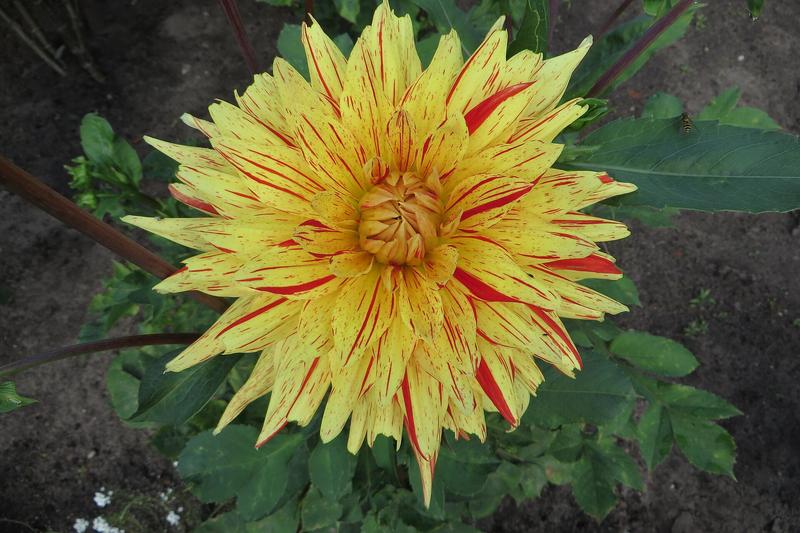
Quick facts
- Watering
- Weekly, more in hot weather
- Sunlight
- Full sun
- Soil
- Rich, well-drained, moisture-retentive
- Humans
- Safe
- Cats
- Safe
- Dogs
- Safe
- Height
- 30–150 cm
- Spread
- 30–60 cm
- Spacing
- 45–90 cm apart
- RHS recognition
- Award of Garden Merit
About Dahlia
Dahlias are spectacular flowering perennials native to Mexico, prized for their bold, colourful blooms from midsummer through to the first frosts. With flower forms ranging from neat pompoms to dinner-plate-sized decoratives, they bring vibrant colour to UK borders and cutting gardens when many other plants are fading. British gardeners have embraced dahlias since Victorian times, and they remain one of the most popular summer-flowering plants for both exhibition and garden display. Though frost-tender, their tubers are easily lifted and stored over winter, making them a reliable choice for UK gardens.
UK fact: The National Dahlia Society, founded in Britain in 1881, is one of the oldest dahlia societies in the world and holds the National Dahlia Collection at RHS Garden Wisley, showcasing over 350 cultivars including many RHS Award of Garden Merit winners.
Watering Dahlia
Dahlias are thirsty plants once established, requiring regular watering from June through September to support their prolific flowering. Water at the base of plants early in the day, avoiding wetting foliage to reduce disease risk. During typical UK summers, weekly deep watering is sufficient, but in hot, dry periods increase to twice weekly or more. Reduce watering as autumn approaches and growth slows, stopping entirely once foliage is blackened by frost.
Sunlight requirements
Plant dahlias in the sunniest spot available, ideally south or west-facing borders where they'll receive maximum light throughout the day. In shadier positions, plants become leggy with reduced flowering and are more susceptible to fungal diseases. Avoid planting under trees or in the shadow of buildings, as even partial shade will significantly reduce bloom production in the UK's relatively short growing season.
Soil and feeding
Prepare planting sites by incorporating generous amounts of well-rotted manure or garden compost to improve both drainage and moisture retention. Dahlias prefer a pH between 6.5 and 7.0, performing poorly in very acidic or alkaline conditions. Heavy clay soils benefit from added grit or sharp sand to improve drainage, as waterlogged conditions cause tuber rot. On light, sandy soils, extra organic matter is essential to prevent rapid drying out during summer.
Apply a balanced granular fertiliser when planting tubers in late April or May, then switch to a high-potash tomato feed once flower buds appear in July. Continue feeding every two weeks throughout the flowering season to maintain vigorous growth and abundant blooms. Avoid high-nitrogen feeds after midsummer, as these promote leafy growth at the expense of flowers.
Pruning Dahlia
When plants reach 30-40cm in height, pinch out the main growing tip to promote branching and more flower stems. Deadhead faded blooms every few days, cutting back to the next leaf joint or side shoot to encourage continuous flowering. For exhibition-quality blooms, disbud by removing side buds, leaving only the terminal bud on each stem. After the first frost blackens foliage, cut stems back to 15cm above ground level before lifting tubers for winter storage.
Propagating Dahlia
Division is the simplest method: in late March or April, separate overwintered tuber clumps ensuring each division has at least one growing point or 'eye'. Alternatively, take 7-10cm basal cuttings from sprouted tubers in early spring, rooting them in a heated propagator. Both methods produce plants identical to the parent. Dahlias can also be grown from seed sown in February or March, though seedlings will not come true to type and are mainly used for bedding varieties.
Common problems
Slugs and snails are the primary pest, attacking young shoots in spring and requiring vigilant control with organic pellets or barriers. Earwigs damage flowers by feeding on petals at night, though they also consume aphids. Powdery mildew and grey mould (botrytis) can affect foliage and flowers in damp conditions, particularly in late summer; ensure good air circulation and remove affected material promptly. Aphids may colonise shoot tips and buds in early summer, and capsid bugs cause distorted growth with characteristic tattered holes in leaves.
Spot a problem with your plant? Photograph the affected area using the Loam app and it will suggest the most likely cause and treatment.
Safety
- Humans
- Safe
- Cats
- Safe
- Dogs
- Safe
Toxicity information is for general guidance only.
Seasonal care calendar
Monthly care guide for Dahlia in the UK, based on average conditions.
| Month | Care tasks |
|---|---|
| January | Check stored tubers monthly for signs of rot or shrivelling. Lightly mist any that appear dry, and remove any showing decay. |
| February | Start tubers into growth in trays of compost in a frost-free greenhouse from late February for early cuttings or to check viability. |
| March | Take basal cuttings from sprouted tubers. Divide large tuber clumps, ensuring each section has a visible growing point. Sow seed under cover. |
| April | Continue taking cuttings. Pot on rooted cuttings. Plant tubers directly outdoors from mid-April in mild areas, covering with cloches for frost protection. |
| May | Plant out tubers and young plants after all frost risk passes, typically late May. Install stakes at planting time. Begin slug and snail control. |
| June | Pinch out growing tips when plants reach 30-40cm to encourage bushiness. Water regularly as growth accelerates. Tie stems to stakes as needed. |
| July | Begin fortnightly feeding with high-potash fertiliser as flower buds form. Deadhead regularly. Continue tying in stems and watch for aphids and earwigs. |
| August | Maintain regular deadheading and feeding. Water deeply during dry spells. Monitor for powdery mildew and remove affected leaves promptly. |
| September | Continue deadheading and feeding to prolong flowering. Enjoy peak bloom period. Begin reducing watering frequency as growth slows towards month end. |
| October | After first frost blackens foliage, cut stems to 15cm and carefully lift tubers. Label varieties, shake off excess soil, and dry upside down for a week. |
| November | Once tubers are dry, store in boxes of barely moist compost, sand, or vermiculite in a cool, frost-free place at 5-10°C. |
| December | Check stored tubers for rot or excessive drying. Maintain storage temperature above freezing. Plan next year's planting scheme and order new varieties. |
Frequently asked questions
- How do I store dahlia tubers over winter?
- After lifting and drying, store tubers in boxes of barely moist compost, sand, or vermiculite in a cool, frost-free place at 5-10°C. Check monthly and lightly mist if they appear shrivelled, removing any showing rot.
- Why are my dahlias not flowering well?
- Insufficient sunlight is the most common cause – dahlias need at least 6-8 hours of direct sun daily. Other causes include too much nitrogen fertiliser promoting leafy growth, lack of deadheading, or inadequate watering during bud formation. The Loam app can help diagnose flowering problems by analysing your plant's conditions and sending personalised care reminders for feeding and deadheading schedules.
- When should I start feeding dahlias and what fertiliser should I use?
- Begin feeding dahlias once they're actively growing in late spring, typically from June onwards. Use a high-potassium fertiliser such as tomato feed every 10-14 days to promote abundant flowering rather than leafy growth. Avoid high-nitrogen feeds which encourage foliage at the expense of blooms. Stop feeding by late August to help tubers ripen before lifting.
Got a question about growing Dahlia that isn't covered here? Ask the Garden Advisor in the Loam app. It knows your saved plants and local conditions.
Related plants
This page was compiled with AI assistance and reviewed by our team. .