Canna
Canna indica
Bulbs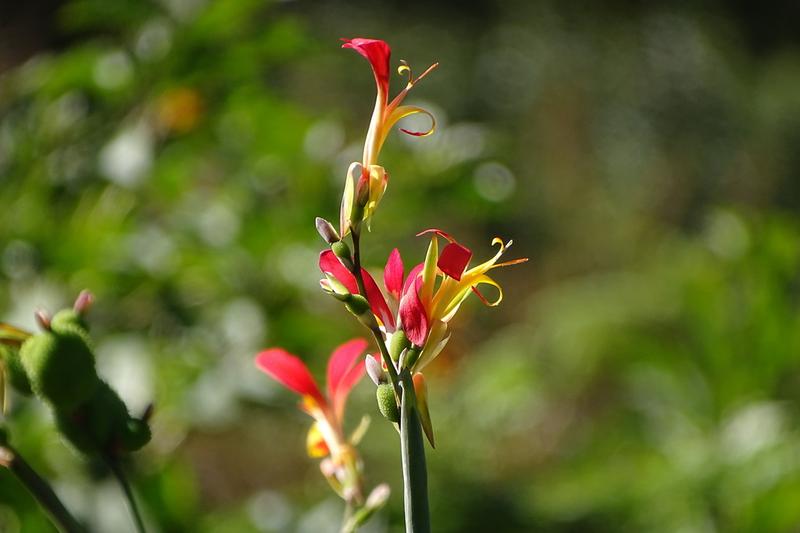
Quick facts
- Watering
- Twice weekly during active growth
- Sunlight
- Full sun
- Soil
- Rich, moisture-retentive, well-drained
- Humans
- Toxic
- Cats
- Toxic
- Dogs
- Toxic
- Height
- 60–200 cm
- Spread
- 40–60 cm
- Spacing
- 45–60 cm apart
About Canna
Canna is a bold, tropical-looking perennial grown from rhizomes, prized for its large paddle-shaped leaves and vibrant flower spikes in shades of red, orange, yellow, and pink. Native to Central and South America, cannas bring exotic flair to UK borders, containers, and poolside plantings throughout summer. Their architectural foliage and long flowering season make them popular choices for adding drama to sunny spots. Though tender in most of the UK, their rhizomes can be lifted and stored over winter or grown as summer bedding.
UK fact: Cannas became fashionable in Victorian Britain during the height of subtropical bedding schemes, when head gardeners competed to create the most exotic displays in public parks and grand estates.
Watering Canna
Cannas are moisture-loving plants that require consistent watering throughout the growing season, particularly during hot spells. Water deeply twice weekly, increasing to daily during prolonged dry periods in July and August to prevent leaf edges browning. Container-grown specimens need especially vigilant watering as their large leaves lose moisture rapidly. Reduce watering significantly in autumn as growth slows, and keep rhizomes barely moist if storing them indoors over winter.
Sunlight requirements
Cannas require full sun to produce their best flowers and most vibrant foliage, needing at least six hours of direct sunlight daily. In the UK, position them in the warmest, sunniest spot available, ideally south-facing and sheltered from cold winds. They will tolerate very light shade but flowering will be reduced and growth may become leggy.
Soil and feeding
Cannas thrive in fertile, humus-rich soil that retains moisture without becoming waterlogged. Before planting, incorporate generous amounts of well-rotted manure or garden compost to improve both nutrient content and water retention. They prefer a slightly acidic to neutral pH of 6.0-7.0. For containers, use a loam-based compost such as John Innes No. 3 mixed with additional organic matter to provide the rich, moisture-retentive conditions they demand.
Feed weekly with a high-potash liquid fertiliser from June through September to support continuous flowering. Alternatively, apply a slow-release balanced fertiliser at planting time and supplement with fortnightly liquid feeds during peak flowering. Cannas are heavy feeders and benefit from generous nutrition throughout the growing season.
Pruning Canna
Deadhead spent flower spikes regularly by cutting back to the next emerging bud to encourage continuous blooming through summer and autumn. Remove any damaged or yellowing leaves at the base to maintain appearance and prevent disease. In late autumn after the first frosts have blackened the foliage, cut stems down to 10-15cm above ground level before lifting rhizomes for winter storage, or mulch heavily if leaving in situ in milder regions.
Propagating Canna
Cannas are most easily propagated by dividing rhizomes in spring, typically March or April. Lift stored rhizomes or carefully dig up established clumps and use a sharp knife to separate sections, ensuring each division has at least two or three growing points or 'eyes'. Pot up divisions individually in multi-purpose compost and keep in a frost-free greenhouse or conservatory until all risk of frost has passed, usually late May. Cannas can also be grown from seed sown in warmth in February, though seedlings may not come true to type and will take longer to flower.
Common problems
Cannas are relatively trouble-free but can suffer from slug and snail damage to emerging shoots in spring, requiring vigilant protection with organic pellets or barriers. In humid conditions or with overhead watering, canna rust may appear as orange pustules on leaves; remove affected foliage promptly and avoid wetting leaves when watering. Canna virus causes yellow streaking and distorted growth; affected plants should be destroyed as there is no cure. In containers, ensure adequate drainage as waterlogged rhizomes will rot, particularly problematic during wet UK summers.
Spot a problem with your plant? Photograph the affected area using the Loam app and it will suggest the most likely cause and treatment.
Safety
- Humans
-
Toxic
All parts of canna contain toxic compounds that can cause gastrointestinal upset if ingested, though serious poisoning is rare.
- Cats
-
Toxic
Cannas can cause vomiting, diarrhoea, and excessive drooling in cats if ingested.
- Dogs
-
Toxic
Ingestion may cause vomiting, diarrhoea, and abdominal discomfort in dogs, though severe poisoning is uncommon.
Toxicity information is for general guidance only. If a person or pet has been exposed to this plant and you are concerned, seek advice from a medical professional or vet.
Seasonal care calendar
Monthly care guide for Canna in the UK, based on average conditions.
| Month | Care tasks |
|---|---|
| January | Check stored rhizomes monthly for rot or shrivelling; discard any showing signs of disease. |
| February | Continue monitoring stored rhizomes; maintain barely moist storage conditions in a frost-free location. |
| March | Start rhizomes into growth in pots under cover; divide congested clumps and pot up separately. |
| April | Continue growing on under glass; begin weekly feeding as shoots develop and roots establish. |
| May | Harden off plants gradually; plant out after all risk of frost has passed, typically late in the month. |
| June | Water regularly and feed weekly; mulch around plants to retain moisture and suppress weeds. |
| July | Deadhead spent flowers; increase watering during dry spells to twice weekly or more. |
| August | Continue deadheading and feeding; maintain consistent moisture levels during peak flowering period. |
| September | Continue deadheading to prolong flowering; reduce feeding frequency as growth begins to slow. |
| October | After first frosts blacken foliage, cut down stems and lift rhizomes for storage; clean and dry before storing. |
| November | Store rhizomes in barely moist compost or vermiculite in a frost-free shed or garage. |
| December | Check stored rhizomes for signs of rot or excessive drying; maintain frost-free storage conditions. |
Frequently asked questions
- When should I lift canna rhizomes in the UK?
- Lift canna rhizomes after the first autumn frosts have blackened the foliage, typically in late October or early November. Cut stems down to 10-15cm, carefully dig up the rhizomes, remove excess soil, and allow them to dry for a few days before storing in barely moist compost in a frost-free location at 7-10°C. In milder regions (coastal areas and the south-west), you can leave rhizomes in the ground with a thick mulch of straw or bracken.
- Why are my canna leaves turning yellow and not flowering well?
- Yellowing leaves and poor flowering often indicate insufficient nutrients, inadequate watering, or too much shade. Cannas are heavy feeders requiring weekly liquid fertiliser and consistent moisture throughout summer. The Loam app can help you set personalised watering reminders based on your local weather and diagnose nutrient deficiencies through its plant problem identifier, ensuring your cannas receive optimal care for abundant blooms.
- Can I grow cannas in pots in the UK?
- Yes, cannas grow excellently in large containers (at least 40cm diameter) filled with John Innes No. 3 compost enriched with organic matter. Container cultivation makes overwintering easier as you can simply move pots into a frost-free greenhouse or shed in autumn. Water container-grown cannas more frequently than those in borders, potentially daily during hot weather, and feed weekly throughout the growing season to support their vigorous growth and flowering.
Got a question about growing Canna that isn't covered here? Ask the Garden Advisor in the Loam app. It knows your saved plants and local conditions.
Related plants
This page was compiled with AI assistance and reviewed by our team. .