Arum Lily
Zantedeschia aethiopica
Perennials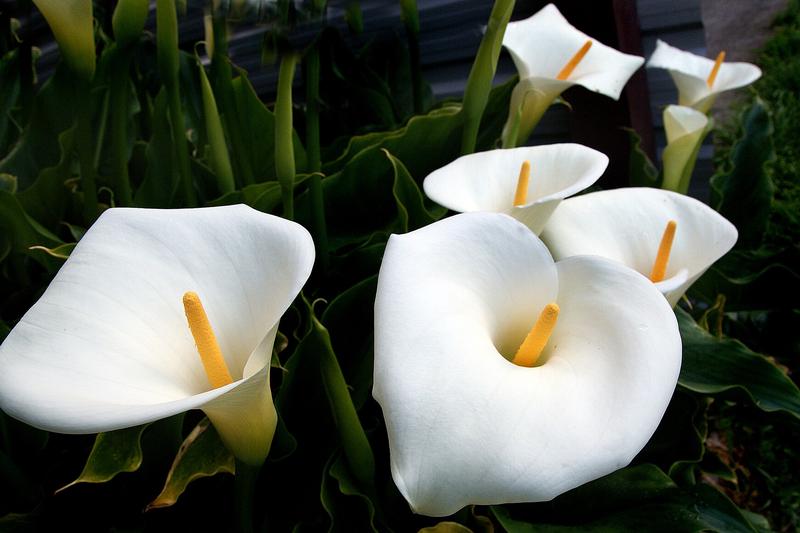
Quick facts
- Watering
- Keep constantly moist
- Sunlight
- Full sun to partial shade
- Soil
- Rich, moisture-retentive, heavy
- Humans
- Toxic
- Cats
- Toxic
- Dogs
- Toxic
- Height
- 60–90 cm
- Spread
- 45–60 cm
- Spacing
- 45–60 cm apart
- RHS recognition
- Award of Garden Merit
About Arum Lily
Arum Lily is a striking South African perennial renowned for its elegant white spathes and glossy, arrow-shaped leaves. Growing 60–90 cm tall, it thrives in moist conditions and is particularly valued for pond margins and bog gardens across the UK. The dramatic flowers appear from late spring through summer, making it a favourite for cutting gardens and architectural planting schemes. Despite its exotic appearance, it has naturalised in mild regions of Britain and performs reliably in sheltered gardens.
UK fact: Zantedeschia aethiopica 'Crowborough' holds the RHS Award of Garden Merit and is considered the hardiest cultivar for British gardens, surviving outdoors year-round in many southern and western regions when planted in water or very moist soil.
Watering Arum Lily
This is a moisture-loving plant that thrives in permanently wet conditions and can even grow in shallow water up to 30 cm deep. In borders, water generously throughout the growing season, never allowing the soil to dry out. During hot British summers, daily watering may be necessary for container-grown specimens. Reduce watering slightly in winter but never let the rhizomes completely dry out.
Sunlight requirements
Arum Lilies perform best in full sun but tolerate partial shade, particularly in warmer southern counties where afternoon shade prevents scorching. In northern Britain, choose the sunniest position available to encourage abundant flowering. South or west-facing pond margins are ideal, providing both moisture and light.
Soil and feeding
Arum Lilies require fertile, humus-rich soil that remains consistently moist or even waterlogged. Heavy clay soils are ideal, or incorporate plenty of well-rotted organic matter into lighter soils to improve moisture retention. They tolerate a wide pH range from slightly acidic to slightly alkaline (pH 6.0–7.5). For pond planting, use aquatic compost in baskets positioned at the water's edge or in shallow water.
Apply a balanced liquid fertiliser fortnightly during the growing season from April to August to support vigorous growth and flowering. For pond specimens, use aquatic plant fertiliser pellets pushed into the compost in spring and midsummer.
Pruning Arum Lily
Remove faded flower spathes at the base to maintain appearance and prevent seed formation, which can divert energy from the rhizome. Cut back yellowing foliage in autumn once it has died down naturally. In mild areas where plants remain evergreen, simply remove damaged or tatty leaves throughout winter to keep plants tidy.
Propagating Arum Lily
Divide established clumps in spring as new growth emerges, ensuring each division has at least one growing point and a portion of rhizome. Lift plants carefully, separate the rhizomes with a sharp knife, and replant immediately at the same depth in moist soil or shallow water. Arum Lilies can also be grown from seed sown fresh in autumn, though plants take 3–4 years to reach flowering size. Division is the quickest method and maintains cultivar characteristics.
Common problems
Arum Lilies are generally trouble-free but can suffer from aphid infestations on new growth and flower spathes during spring and early summer. Slugs and snails may damage emerging shoots and young leaves, particularly in damp conditions. In dry summers or when grown in containers, spider mites can cause leaf speckling. Root rot may occur if plants are grown in stagnant water or poorly drained soil, though they tolerate waterlogging in moving or oxygenated water.
Spot a problem with your plant? Photograph the affected area using the Loam app and it will suggest the most likely cause and treatment.
Safety
- Humans
-
Toxic
All parts contain calcium oxalate crystals which cause severe mouth and throat irritation, swelling, and difficulty swallowing if ingested. Sap can cause skin irritation in sensitive individuals.
- Cats
-
Toxic
Contains calcium oxalate crystals causing oral irritation, drooling, vomiting, and difficulty swallowing. Seek veterinary attention if ingestion suspected.
- Dogs
-
Toxic
Contains calcium oxalate crystals causing oral pain, excessive drooling, vomiting, and difficulty swallowing. Contact vet immediately if consumed.
Toxicity information is for general guidance only. If a person or pet has been exposed to this plant and you are concerned, seek advice from a medical professional or vet.
Seasonal care calendar
Monthly care guide for Arum Lily in the UK, based on average conditions.
| Month | Care tasks |
|---|---|
| January | No action needed. Plants dormant in cold areas, evergreen in mild regions. |
| February | Apply mulch around crowns in cold areas before new growth emerges. |
| March | New shoots emerge. Begin fortnightly feeding. Divide established clumps if needed. |
| April | Continue feeding. Watch for aphids on developing flower buds and treat if necessary. |
| May | First flowers appear. Maintain consistent moisture. Deadhead spent blooms regularly. |
| June | Peak flowering period. Continue deadheading and feeding. Water daily in dry spells. |
| July | Flowering continues. Ensure plants never dry out during hot weather. Feed fortnightly. |
| August | Late flowers appear. Continue watering and final feed towards month end. |
| September | Flowering finishes. Reduce feeding. Allow foliage to die back naturally in cold areas. |
| October | Cut back yellowed foliage. Apply protective mulch in exposed or cold gardens. |
| November | Ensure winter protection is in place for borderline hardy cultivars. |
| December | No action needed. Plants dormant or semi-dormant depending on location. |
Frequently asked questions
- Can Arum Lilies survive winter outdoors in the UK?
- Yes, particularly the cultivar 'Crowborough' which is hardy to -10°C and survives outdoors in most UK regions when planted in moist soil or shallow water. In colder areas or for less hardy varieties, apply a thick mulch in autumn or lift rhizomes and store frost-free over winter. Plants growing in water are often hardier than those in borders.
- Why isn't my Arum Lily flowering?
- Common causes include insufficient moisture, too much shade, or overcrowded clumps that need dividing. The Loam app can help diagnose your specific conditions and send reminders for feeding and watering schedules to encourage blooming. Most plants need at least 6 hours of sun and constantly moist soil to flower well.
- How deep should I plant Arum Lily rhizomes?
- Plant rhizomes 10–15 cm deep with the growing points facing upwards. In pond settings, position baskets so the rhizome sits just below the soil surface with 5–30 cm of water above. Deeper planting in borders provides better frost protection in cold regions.
Got a question about growing Arum Lily that isn't covered here? Ask the Garden Advisor in the Loam app. It knows your saved plants and local conditions.
Related plants
This page was compiled with AI assistance and reviewed by our team. .