Alocasia
Alocasia x amazonica
Houseplants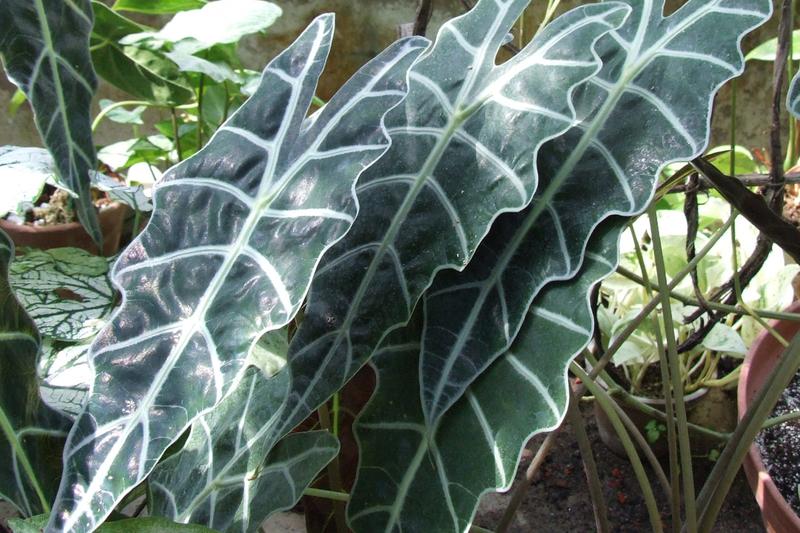
Quick facts
- Watering
- Weekly during growing season
- Sunlight
- Bright indirect light
- Soil
- Well-draining, rich, peat-free compost
- Humans
- Toxic
- Cats
- Toxic
- Dogs
- Toxic
- Height
- 40–60 cm
- Spread
- 30–45 cm
- Spacing
- 0 cm apart
About Alocasia
Alocasia is a striking tropical houseplant prized for its dramatic arrow-shaped leaves with prominent white veins and deep green colouration. Native to Southeast Asian rainforests, this hybrid has become a favourite among UK indoor gardeners for its architectural presence and exotic appearance. The glossy foliage can reach impressive sizes when grown in warm, humid conditions, making it an excellent statement plant for bright rooms. Though demanding compared to many houseplants, its stunning visual impact rewards attentive care.
UK fact: Alocasia x amazonica gained popularity in British homes during the 1970s houseplant boom and has seen a resurgence in recent years as part of the UK's urban jungle trend, particularly among millennial and Gen Z plant collectors.
Watering Alocasia
Water when the top 2-3 cm of compost feels dry, typically weekly in spring and summer, reducing to fortnightly in autumn and winter when growth slows. Use tepid water to avoid shocking the roots, and ensure excess drains freely as waterlogged compost quickly leads to root rot. In centrally heated UK homes, mist leaves regularly or use a pebble tray to maintain humidity around 60-70%. Reduce watering significantly from October through March when the plant enters semi-dormancy.
Sunlight requirements
Alocasia thrives in bright, filtered light but must be protected from direct sun which scorches the leaves. In UK homes, position near east or north-facing windows, or set back from south-facing windows behind sheer curtains. During darker British winter months, move closer to windows to maximise available light, but avoid cold draughts from single-glazed panes.
Soil and feeding
Use a moisture-retentive but free-draining mix such as a peat-free houseplant compost amended with perlite or orchid bark (roughly 70:30 ratio). Alocasia prefers slightly acidic to neutral soil with a pH of 5.5-6.5. Good drainage is essential as the rhizomes are prone to rot in soggy conditions. Repot every 1-2 years in spring, moving up one pot size only when roots fill the current container.
Feed fortnightly from April through September with a balanced liquid houseplant fertiliser diluted to half strength. Cease feeding from October through March when growth naturally slows in response to reduced light levels. Over-feeding causes salt build-up and leaf tip burn, so err on the side of caution.
Pruning Alocasia
Remove yellowing or damaged leaves at the base using clean, sharp scissors or secateurs to maintain appearance and prevent fungal issues. Older outer leaves naturally yellow and die back as new growth emerges from the centre; this is normal and not cause for concern. Wipe leaves monthly with a damp cloth to remove dust and allow efficient photosynthesis. No structural pruning is required as Alocasia maintains a naturally compact clumping habit.
Propagating Alocasia
Propagate by division in spring when repotting, carefully separating offset rhizomes that have developed their own root systems and at least two leaves. Use a clean, sharp knife to cut through connecting rhizomes, ensuring each division has healthy roots attached. Pot divisions immediately into small containers with fresh compost and keep warm (18-24°C) with high humidity until established. Alternatively, small offsets can be left to develop further before separation if the parent plant has room to accommodate them.
Common problems
Spider mites thrive in dry indoor conditions and cause stippling on leaves; increase humidity and mist regularly to deter them, or treat with insecticidal soap. Overwatering is the most common cause of problems, leading to yellowing leaves, mushy stems, and root rot; always allow compost to partially dry between waterings. Brown leaf edges typically indicate low humidity or inconsistent watering in UK centrally heated homes. Alocasia naturally enters dormancy in winter, often losing leaves entirely; reduce watering and wait for spring regrowth rather than assuming the plant has died.
Spot a problem with your plant? Photograph the affected area using the Loam app and it will suggest the most likely cause and treatment.
Safety
- Humans
-
Toxic
All parts contain calcium oxalate crystals which cause severe mouth and throat irritation, swelling, and difficulty swallowing if ingested. Keep away from children.
- Cats
-
Toxic
Causes oral irritation, excessive drooling, vomiting, and difficulty swallowing due to calcium oxalate crystals. Seek veterinary attention if ingested.
- Dogs
-
Toxic
Causes oral irritation, excessive drooling, vomiting, and difficulty swallowing due to calcium oxalate crystals. Seek veterinary attention if ingested.
Toxicity information is for general guidance only. If a person or pet has been exposed to this plant and you are concerned, seek advice from a medical professional or vet.
Seasonal care calendar
Monthly care guide for Alocasia in the UK, based on average conditions.
| Month | Care tasks |
|---|---|
| January | Minimal watering during dormancy. Keep warm (minimum 15°C) and away from cold windows. |
| February | Continue minimal watering. Watch for first signs of new growth as days lengthen. |
| March | Increase watering slightly as new growth emerges. Repot if rootbound before active growth begins. |
| April | Resume fortnightly feeding. Increase watering frequency as temperatures rise and growth accelerates. |
| May | Peak growing season begins. Maintain regular watering and feeding schedule. Mist daily in warm weather. |
| June | Continue regular care. Monitor for spider mites in warm, dry conditions. Wipe leaves to remove dust. |
| July | Maintain high humidity during hot weather. Water more frequently if needed but ensure good drainage. |
| August | Continue summer care routine. Remove any yellowing lower leaves. Check for pests regularly. |
| September | Begin reducing feeding frequency as growth slows. Maintain watering but adjust to cooler temperatures. |
| October | Stop feeding. Reduce watering as plant enters dormancy. Move away from cold windows. |
| November | Water sparingly, only when compost is nearly dry. Leaves may yellow and drop naturally. |
| December | Minimal care during dormancy. Keep warm and barely moist. Avoid overwatering dormant rhizomes. |
Frequently asked questions
- Why are my Alocasia leaves turning yellow?
- Yellowing leaves usually indicate overwatering, especially in winter when the plant is dormant and requires much less water. Allow the top 2-3 cm of compost to dry between waterings and ensure the pot has drainage holes. Older outer leaves naturally yellow as new growth emerges, which is normal. Low humidity or cold draughts can also cause yellowing in UK homes.
- How do I know when my Alocasia needs watering?
- Check the compost moisture by inserting your finger 2-3 cm deep; water when it feels dry at this depth. The Loam app can send personalised watering reminders based on your home conditions, pot size, and the season, taking the guesswork out of Alocasia care and helping you avoid the most common problem of overwatering.
- Can I put my Alocasia outside in summer?
- Alocasia can be moved outdoors from June to early September once nighttime temperatures reliably stay above 15°C, but only to a sheltered, shaded spot protected from direct sun, wind, and rain. Gradually acclimatise the plant over 7-10 days to prevent shock. Most UK growers find it safer to keep Alocasia indoors year-round where conditions are more controllable.
Got a question about growing Alocasia that isn't covered here? Ask the Garden Advisor in the Loam app. It knows your saved plants and local conditions.
Related plants
This page was compiled with AI assistance and reviewed by our team. .