Monstera
Monstera deliciosa
Houseplants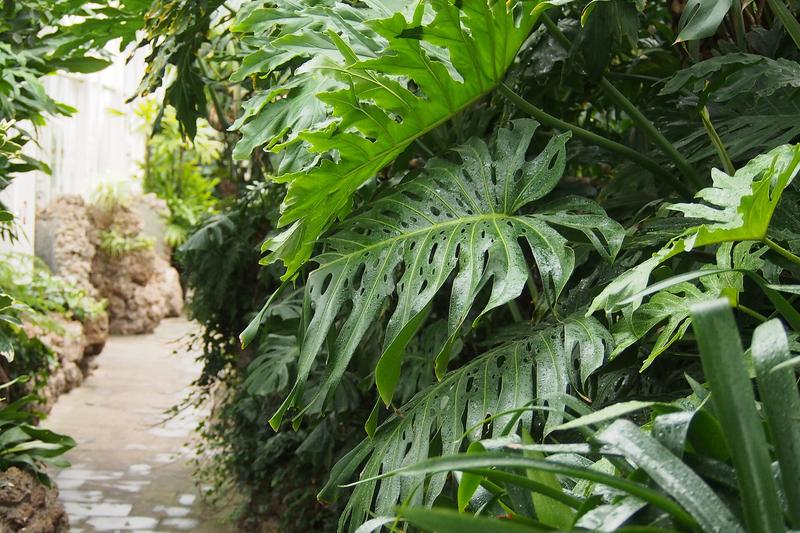
Quick facts
- Watering
- Weekly during growing season
- Sunlight
- Bright indirect light
- Soil
- Well-draining, peat-free compost
- Humans
- Toxic
- Cats
- Toxic
- Dogs
- Toxic
- Height
- 200–300 cm
- Spread
- 90–150 cm
- Spacing
- 100–150 cm apart
- RHS recognition
- Award of Garden Merit
About Monstera
Monstera deliciosa is a striking tropical climber native to the rainforests of Central America, beloved by UK gardeners for its dramatic, fenestrated foliage. The large, glossy leaves develop characteristic splits and holes as the plant matures, creating an architectural statement in homes and conservatories. In the UK, it thrives as a houseplant, bringing a touch of the exotic to interiors whilst being remarkably forgiving of typical household conditions. Its popularity has surged in recent years, making it one of the most sought-after indoor plants among British plant enthusiasts.
UK fact: The Monstera deliciosa holds the Royal Horticultural Society's Award of Garden Merit, recognising its excellent performance as a houseplant in UK conditions and its reliability for British growers.
Watering Monstera
Allow the top 5cm of compost to dry out between waterings, then water thoroughly until excess drains from the bottom. During the growing season (April to September), this typically means watering weekly, whilst in winter reduce to fortnightly or less as growth slows. UK tap water is generally suitable, though allowing it to stand overnight helps it reach room temperature and dissipate chlorine. Overwatering is the most common cause of problems, so err on the side of caution during the darker British winter months when the plant uses less water.
Sunlight requirements
Position your Monstera in bright, indirect light away from direct sun, which can scorch the leaves. North-facing or east-facing windows are ideal in UK homes, providing gentle morning light without the harsh afternoon rays. In south or west-facing rooms, place the plant a few metres back from the window or use sheer curtains to diffuse strong sunlight, particularly during summer months.
Soil and feeding
Monstera requires a well-draining, moisture-retentive growing medium that mimics its natural epiphytic habitat. A peat-free houseplant compost amended with perlite, orchid bark, or coir works excellently, providing both drainage and aeration. The ideal pH is slightly acidic to neutral (5.5-7.0). For best results, create a mix of two parts houseplant compost to one part perlite and one part orchid bark, ensuring roots never sit in waterlogged conditions whilst maintaining adequate moisture retention.
Apply a balanced liquid fertiliser (such as 10-10-10 NPK) at half the recommended strength every four weeks from April through September. Reduce feeding to every six to eight weeks during autumn and cease entirely in winter when growth naturally slows. Overfertilising can cause salt build-up and leaf burn, so it's better to underfeed than overdo it in the relatively low-light conditions of UK homes.
Pruning Monstera
Monstera requires minimal pruning but benefits from the removal of yellowing or damaged leaves at any time of year. To control size or encourage bushier growth, prune stems just above a leaf node in spring using clean, sharp secateurs. The plant naturally develops aerial roots which can be tucked back into the pot or allowed to grow freely; avoid cutting these unless absolutely necessary as they help support the plant. Wipe leaves occasionally with a damp cloth to remove dust and allow the plant to photosynthesise efficiently in lower UK light levels.
Propagating Monstera
The most reliable method is stem-tip cuttings taken during the active growing season between April and July. Each cutting should include at least one node (the bump where leaves and aerial roots emerge) and ideally one or two leaves. Cuttings root successfully in either water or directly in compost, with water propagation allowing you to monitor root development. Once roots reach 5-8cm in length, pot up into houseplant compost and maintain high humidity for the first few weeks to aid establishment.
Common problems
The most common issue in UK homes is yellowing leaves caused by overwatering, particularly during winter when light levels are low and the plant's water requirements decrease. Spider mites can appear in dry, centrally heated homes; increase humidity and wipe leaves regularly to prevent infestations. Brown leaf edges typically indicate low humidity or inconsistent watering, both common in British households with central heating. Root rot can develop if the plant sits in waterlogged compost, so always ensure pots have drainage holes and allow the top layer of compost to dry between waterings.
Spot a problem with your plant? Photograph the affected area using the Loam app and it will suggest the most likely cause and treatment.
Safety
- Humans
-
Toxic
Contains calcium oxalate crystals which cause irritation and swelling of the mouth, tongue and throat if ingested. Keep away from children.
- Cats
-
Toxic
Toxic to cats. Ingestion causes oral irritation, drooling, vomiting and difficulty swallowing due to calcium oxalate crystals.
- Dogs
-
Toxic
Toxic to dogs. Causes oral irritation, excessive drooling, vomiting and difficulty swallowing if chewed or ingested.
Toxicity information is for general guidance only. If a person or pet has been exposed to this plant and you are concerned, seek advice from a medical professional or vet.
Seasonal care calendar
Monthly care guide for Monstera in the UK, based on average conditions.
| Month | Care tasks |
|---|---|
| January | Minimal watering required. Keep away from cold draughts and radiators. Wipe leaves to remove dust. |
| February | Continue minimal watering. Check for pests in dry, heated rooms. Ensure adequate humidity. |
| March | Growth begins to resume. Gradually increase watering as days lengthen. Prepare to resume feeding. |
| April | Begin monthly feeding. Increase watering frequency. Ideal time for repotting if rootbound. Take cuttings for propagation. |
| May | Active growth period. Water weekly and feed monthly. Provide support for climbing stems if needed. |
| June | Peak growing season. Maintain regular watering and feeding. Monitor for pests. Propagate from cuttings. |
| July | Continue regular care routine. Ensure adequate humidity during warm weather. Mist occasionally or use a pebble tray. |
| August | Maintain watering and feeding schedule. Last opportunity for successful propagation this season. |
| September | Begin reducing feeding frequency. Continue regular watering as growth slows. Wipe leaves clean. |
| October | Reduce watering as growth slows. Give final feed of the season. Move away from cold windows. |
| November | Water sparingly, allowing compost to dry more between waterings. No feeding required. Maintain warmth. |
| December | Minimal watering needed. Protect from cold draughts and ensure temperatures stay above 15°C. Clean leaves occasionally. |
Frequently asked questions
- Why are my Monstera leaves turning yellow?
- Yellowing leaves usually indicate overwatering, especially in winter when the plant needs less water. Allow the top 5cm of compost to dry between waterings and ensure the pot has adequate drainage. Occasional lower leaf yellowing is natural as the plant ages.
- How do I know if my Monstera is getting enough light?
- Monsteras need bright, indirect light to thrive. Signs of insufficient light include small leaves without splits, leggy growth with long spaces between leaves, and slow growth. If you're unsure about your plant's light levels or notice these symptoms, the Loam app can help diagnose lighting issues and provide personalised care recommendations based on your specific conditions.
- How do I propagate my Monstera?
- Take stem cuttings with at least one node and one leaf, ensuring each cutting includes an aerial root if possible. Place in water or directly into moist compost. Water propagation allows you to monitor root development; roots typically appear within 2-3 weeks. Once roots are 5-8cm long, pot up into houseplant compost. Spring and summer are the best times for propagation when the plant is actively growing.
Got a question about growing Monstera that isn't covered here? Ask the Garden Advisor in the Loam app. It knows your saved plants and local conditions.
Related plants
This page was compiled with AI assistance and reviewed by our team. .