Philodendron
Philodendron hederaceum
Houseplants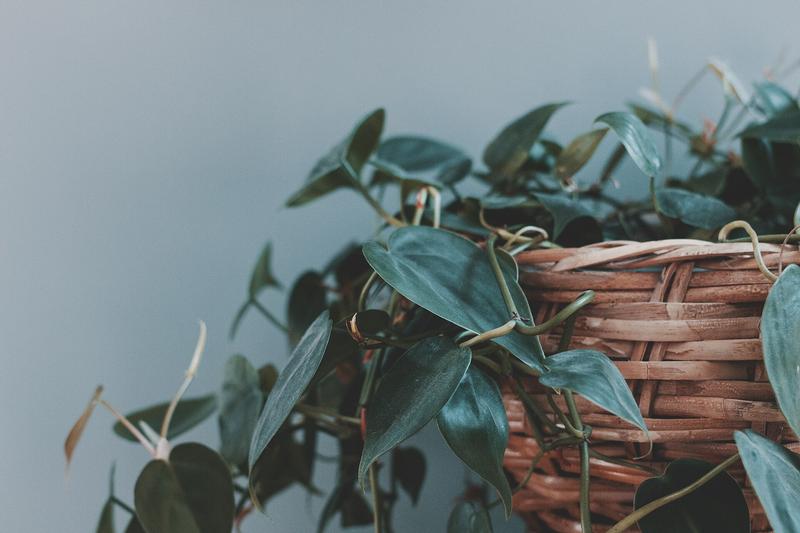
Quick facts
- Watering
- Weekly during growing season
- Sunlight
- Bright indirect light
- Soil
- Well-draining, peat-free houseplant compost
- Humans
- Toxic
- Cats
- Toxic
- Dogs
- Toxic
- Height
- 90–300 cm
- Spread
- 30–90 cm
- Spacing
- 0 cm apart
About Philodendron
Philodendron hederaceum is a popular trailing houseplant native to Central America and the Caribbean, prized for its glossy, heart-shaped leaves and easy-going nature. In UK homes, it thrives as an indoor climber or cascading plant, tolerating the lower light levels common in British interiors. Its vigorous growth and air-purifying qualities make it a favourite amongst urban gardeners and flat dwellers. The plant adapts well to central heating and can live for decades with minimal fuss.
UK fact: Philodendrons became fashionable in British Victorian conservatories during the 1850s plant-hunting craze, when exotic tropical specimens were status symbols amongst the wealthy, and they've remained a staple of British indoor gardening ever since.
Watering Philodendron
During spring and summer, water thoroughly once the top layer of compost has dried out, typically every 5-7 days in a warm UK home. Allow excess water to drain completely, as philodendrons are susceptible to root rot in waterlogged conditions. In autumn and winter, reduce watering to every 10-14 days as growth slows and evaporation decreases in cooler temperatures. Use tepid water rather than cold tap water to avoid shocking the roots, and consider using rainwater if your area has particularly hard water.
Sunlight requirements
Position near an east- or north-facing window in UK homes for ideal growth, avoiding direct southern sun which can scorch the leaves. In darker British rooms, the plant will survive but grow more slowly with smaller leaves. Rotate the pot monthly to ensure even growth, particularly important during our short winter days.
Soil and feeding
Use a quality peat-free houseplant compost mixed with perlite or orchid bark in a 2:1 ratio to improve drainage and aeration. The plant prefers a slightly acidic to neutral pH of 5.5-7.0, which most commercial composts provide. Avoid heavy, moisture-retentive mixes that can lead to root rot. Repot every 2-3 years in spring, moving up one pot size, or refresh the top 5cm of compost annually if the plant has reached its desired size.
Apply a balanced liquid feed (such as 10-10-10 NPK) diluted to half the recommended strength every 4 weeks during the growing season. Cease feeding from October through February when growth naturally slows in response to reduced daylight hours. Over-feeding can cause salt build-up in the compost and lead to brown leaf tips.
Pruning Philodendron
Trim back leggy stems in March or April, cutting just above a leaf node to promote branching and fuller growth. Remove yellowing or brown leaves at the base of the stem as they appear, using clean, sharp secateurs to prevent disease transmission. Wipe down the leaves monthly with a damp cloth to remove dust and improve photosynthesis. If the plant becomes too large, you can cut back up to one-third of the growth without harming it, and the pruned stems make excellent propagation material.
Propagating Philodendron
Take 10-15cm stem cuttings in late spring or early summer, ensuring each cutting has at least two leaves and one node. Cuttings can be rooted in water on a bright windowsill, with roots typically appearing within 2-3 weeks, or inserted directly into moist compost. Once water-rooted cuttings have developed roots 3-5cm long, pot them into small containers with houseplant compost. Success rates are high in the warmer months, though propagation is possible year-round in a heated UK home.
Common problems
The most common issue in UK homes is overwatering, which leads to yellowing leaves and root rot, particularly during our damp, cool winters. Spider mites can appear in centrally heated rooms with low humidity, causing fine webbing and stippled leaves; increase humidity by misting or using a pebble tray. Mealybugs occasionally infest leaf axils and can be removed with cotton buds dipped in rubbing alcohol. Brown leaf tips usually indicate low humidity, inconsistent watering, or fluoride in tap water, whilst leggy growth with small leaves signals insufficient light.
Spot a problem with your plant? Photograph the affected area using the Loam app and it will suggest the most likely cause and treatment.
Safety
- Humans
-
Toxic
Contains calcium oxalate crystals which cause mouth and throat irritation, swelling, and difficulty swallowing if ingested. Keep away from children.
- Cats
-
Toxic
Toxic to cats, causing oral irritation, drooling, vomiting, and difficulty swallowing due to calcium oxalate crystals. Seek veterinary advice if ingested.
- Dogs
-
Toxic
Toxic to dogs, causing oral pain, excessive drooling, vomiting, and difficulty swallowing. Contact your vet immediately if your dog chews or ingests any part of the plant.
Toxicity information is for general guidance only. If a person or pet has been exposed to this plant and you are concerned, seek advice from a medical professional or vet.
Seasonal care calendar
Monthly care guide for Philodendron in the UK, based on average conditions.
| Month | Care tasks |
|---|---|
| January | Water sparingly, only when compost is dry. Wipe dust from leaves. Avoid draughts from doors and windows. |
| February | Continue minimal watering. Check for pests in warm, dry rooms. Position to maximise available light. |
| March | Resume monthly feeding as days lengthen. Prune leggy growth. Begin increasing watering frequency as growth resumes. |
| April | Ideal time to repot if rootbound. Take stem cuttings for propagation. Water weekly as temperatures rise. |
| May | Feed every 4 weeks with diluted liquid fertiliser. Water regularly. Provide support for climbing stems if desired. |
| June | Peak growing season; maintain regular watering and feeding. Mist leaves to increase humidity during warm spells. |
| July | Water frequently in hot weather, checking compost every few days. Continue feeding. Propagate from healthy stems. |
| August | Maintain watering and feeding schedule. Trim any yellowing leaves. Monitor for spider mites in dry conditions. |
| September | Begin reducing watering frequency as growth slows. Continue feeding until month end. Check plant ties and supports. |
| October | Stop feeding for winter. Reduce watering. Move away from cold windows as nights cool. |
| November | Water only when top 5cm of compost is dry. Ensure adequate light as days shorten. Avoid cold draughts. |
| December | Minimal watering required. Keep away from radiators and cold windows. Wipe leaves to remove dust and improve light absorption. |
Frequently asked questions
- How do I propagate philodendron from cuttings?
- Take 10-15cm stem cuttings just below a node in spring or summer, ensuring each cutting has at least two leaves. Remove the lowest leaf and place cuttings in water or directly into moist, well-draining compost. Roots typically develop within 2-4 weeks in a warm spot with bright, indirect light. Keep humidity high by covering with a clear plastic bag until established. Once roots reach 5cm, pot into individual containers with houseplant compost.
- Why are the leaves on my philodendron turning yellow?
- Yellowing leaves usually indicate overwatering, particularly common in UK winters when growth slows. Allow the top 5cm of compost to dry between waterings, ensure good drainage, and reduce watering frequency from October to March. Occasionally, yellowing can signal underwatering or natural ageing of older leaves. If you're struggling to diagnose the exact cause, the Loam app can analyse photos of your plant and provide personalised watering schedules based on your home conditions.
- How often should I water my philodendron in winter?
- Water philodendrons less frequently in winter, typically every 10-14 days, compared to weekly watering during the growing season. Check the top 5cm of compost is dry before watering, as reduced light and cooler temperatures in UK homes slow growth significantly from October to March. Overwatering during winter is the most common cause of root rot. Reduce feeding to once monthly or stop entirely until spring growth resumes in April.
Got a question about growing Philodendron that isn't covered here? Ask the Garden Advisor in the Loam app. It knows your saved plants and local conditions.
Related plants
This page was compiled with AI assistance and reviewed by our team. .