Syngonium
Syngonium podophyllum
Houseplants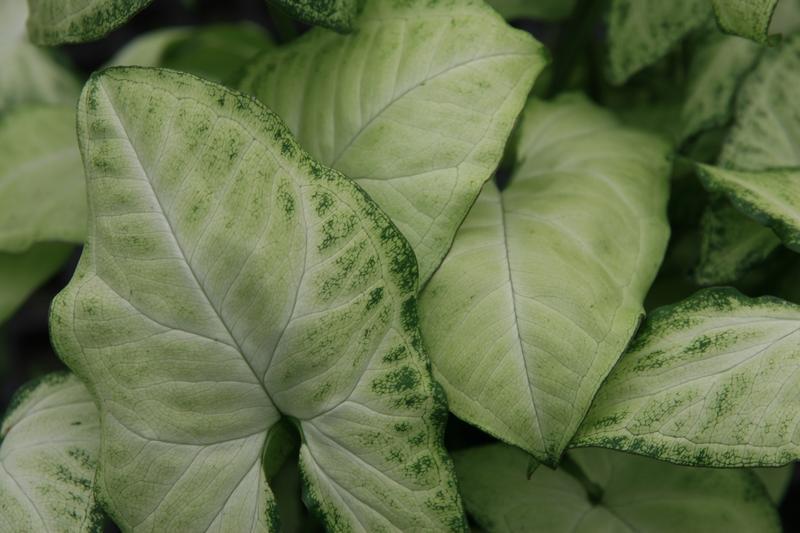
Quick facts
- Watering
- Weekly during growing season
- Sunlight
- Bright indirect light
- Soil
- Well-draining, peat-free houseplant compost
- Humans
- Toxic
- Cats
- Toxic
- Dogs
- Toxic
- Height
- 30–180 cm
- Spread
- 30–60 cm
- Spacing
- 30–45 cm apart
About Syngonium
Syngonium is a popular tropical houseplant native to Central and South America, prized for its arrow-shaped leaves that change form as the plant matures. Young plants display compact, upright growth with pale green foliage marked by silvery veins, whilst mature specimens develop climbing or trailing stems with deeply lobed leaves. UK gardeners favour Syngonium for its adaptability to indoor conditions, tolerance of lower light levels, and the wide range of cultivars available with pink, white, or variegated foliage. It thrives in the consistent warmth of British homes and requires minimal specialist care, making it an excellent choice for both novice and experienced indoor gardeners.
UK fact: Syngonium has become increasingly popular in UK houseplant collections since the 2010s, with British nurseries now offering over 20 cultivars including the sought-after 'Pink Splash' and 'Neon Robusta', which perform particularly well in centrally heated homes during British winters.
Watering Syngonium
Allow the top layer of compost to dry out between waterings, checking with your finger before watering to avoid overwatering, which is the most common cause of problems. During the growing season from April to September, water thoroughly until excess drains from the pot, typically once weekly depending on temperature and humidity. Reduce watering frequency from October through March when growth slows, allowing the compost to dry out more between waterings. Use tepid water rather than cold tap water straight from the mains, and ensure pots have adequate drainage holes to prevent waterlogging.
Sunlight requirements
Position your Syngonium in bright, indirect light for optimal growth and leaf colouration, ideally near an east or north-facing window in UK homes. Avoid direct sunlight, particularly during summer months, as this can scorch the delicate foliage and fade variegation. The plant tolerates shadier spots better than many houseplants, though growth will slow and variegated varieties may lose their distinctive markings in very low light.
Soil and feeding
Plant in a peat-free houseplant compost or create your own mix using two parts multipurpose compost, one part perlite, and one part orchid bark for excellent drainage. The compost should be moisture-retentive yet free-draining to prevent root rot whilst providing adequate hydration. Syngonium prefers a slightly acidic to neutral pH between 5.5 and 6.5. Repot every two to three years in spring, moving up one pot size when roots fill the current container, refreshing the compost to replenish nutrients.
Apply a balanced liquid fertiliser (NPK 10-10-10 or similar) at half the recommended strength every four weeks during the growing season from April through September. Cease feeding from October to March when the plant enters its dormant period and growth naturally slows. Over-feeding can cause salt build-up in the compost and lead to brown leaf tips, so err on the side of caution.
Pruning Syngonium
Trim back leggy stems in spring using clean, sharp secateurs to promote fuller, bushier growth and maintain a compact shape. Cut just above a leaf node to encourage new shoots to develop from that point. Remove yellowing, damaged, or dead leaves promptly throughout the year by cutting at the base of the leaf stem. If growing as a climber, provide a moss pole or trellis for support and train stems as they develop. Mature plants can be cut back quite hard if they become too large, as they regenerate readily from pruned stems.
Propagating Syngonium
Syngonium propagates reliably from stem cuttings, making it simple to create new plants or rejuvenate leggy specimens. Take cuttings in spring or early summer when the plant is actively growing for the best success rates. Each cutting should include at least one node (the bump on the stem where leaves emerge) and one or two leaves. Cuttings root successfully in either water or directly in compost, with water propagation allowing you to observe root development.
Common problems
Syngonium is relatively pest-resistant but can occasionally suffer from spider mites, particularly in dry, centrally heated UK homes during winter; increase humidity and wipe leaves regularly to prevent infestations. Mealybugs may appear in leaf axils and can be removed with cotton buds dipped in diluted washing-up liquid or rubbing alcohol. Overwatering is the most common cultural problem, leading to yellowing leaves and root rot; always allow the top layer of compost to dry between waterings and ensure pots have adequate drainage. Brown leaf tips typically indicate low humidity, fluoride in tap water, or salt build-up from over-feeding; use filtered or rainwater and flush compost occasionally with plain water.
Spot a problem with your plant? Photograph the affected area using the Loam app and it will suggest the most likely cause and treatment.
Safety
- Humans
-
Toxic
Contains calcium oxalate crystals which can cause mouth and throat irritation, swelling, and difficulty swallowing if ingested. Keep away from children.
- Cats
-
Toxic
Toxic to cats due to calcium oxalate crystals, causing oral irritation, drooling, vomiting, and difficulty swallowing. Keep out of reach of pets.
- Dogs
-
Toxic
Toxic to dogs due to calcium oxalate crystals, causing oral irritation, excessive drooling, vomiting, and difficulty swallowing. Position away from pets.
Toxicity information is for general guidance only. If a person or pet has been exposed to this plant and you are concerned, seek advice from a medical professional or vet.
Seasonal care calendar
Monthly care guide for Syngonium in the UK, based on average conditions.
| Month | Care tasks |
|---|---|
| January | Maintain temperatures above 15°C and reduce watering frequency. Mist occasionally if central heating reduces humidity. |
| February | Continue minimal watering and monitor for pests in dry indoor conditions. Clean leaves gently with a damp cloth. |
| March | Begin increasing watering frequency as daylight hours lengthen. Repot if roots are congested, using fresh compost. |
| April | Resume monthly feeding with diluted liquid fertiliser. Take stem cuttings for propagation as growth accelerates. |
| May | Water weekly and maintain bright, indirect light. Prune leggy stems to encourage bushier growth. |
| June | Continue regular watering and feeding. Provide support for climbing varieties and train new growth. |
| July | Monitor soil moisture closely during warm weather. Mist foliage regularly to maintain humidity levels. |
| August | Maintain consistent watering and feeding schedule. Check for spider mites and increase humidity if needed. |
| September | Continue regular care but prepare to reduce feeding frequency. Remove any yellowing or damaged leaves. |
| October | Reduce watering as growth slows and stop feeding for winter. Ensure plants are away from cold draughts. |
| November | Water sparingly, allowing compost to dry more between waterings. Maintain temperatures above 15°C. |
| December | Minimal watering required. Keep away from cold windows and maintain humidity near radiators with occasional misting. |
Frequently asked questions
- How often should I water my Syngonium?
- Water when the top 2-3 cm of compost feels dry to the touch, typically every 7-10 days in spring and summer, less frequently in winter. Requirements vary with pot size, light levels, and room temperature. Overwatering causes yellow leaves whilst underwatering leads to crispy edges. For personalised watering reminders based on your specific conditions, the Loam app can help you establish the right schedule.
- Why are my Syngonium leaves turning yellow?
- Yellowing leaves usually indicate overwatering, particularly if accompanied by soft, mushy stems. Allow the top 2-3 cm of compost to dry between waterings and ensure pots have drainage holes. Occasional lower leaf yellowing is natural as the plant matures. If you're unsure whether it's overwatering or another issue, the Loam app's diagnosis feature can help identify the specific problem affecting your plant.
- How do I propagate Syngonium cuttings?
- Take 10-15 cm stem cuttings with at least two nodes in spring or summer, cutting just below a node. Remove lower leaves and place in water or directly into moist houseplant compost. Water-rooted cuttings develop roots in 2-3 weeks and can be potted once roots reach 3-5 cm. Keep in a warm spot with bright, indirect light and maintain humidity by covering with a clear bag until established.
Got a question about growing Syngonium that isn't covered here? Ask the Garden Advisor in the Loam app. It knows your saved plants and local conditions.
Related plants
This page was compiled with AI assistance and reviewed by our team. .