Dieffenbachia
Dieffenbachia seguine
Houseplants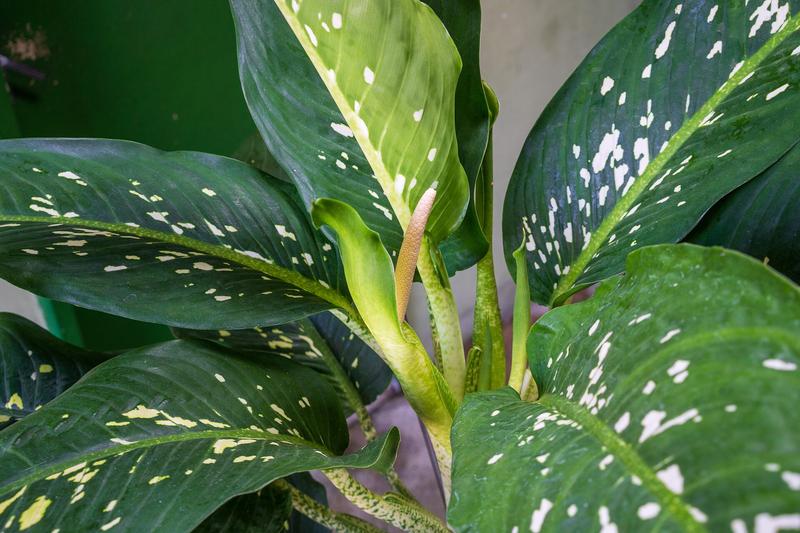
Quick facts
- Watering
- Weekly during growing season
- Sunlight
- Bright indirect light
- Soil
- Well-draining, peat-free houseplant compost
- Humans
- Toxic
- Cats
- Toxic
- Dogs
- Toxic
- Height
- 60–150 cm
- Spread
- 40–90 cm
- Spacing
- 50–75 cm apart
About Dieffenbachia
Dieffenbachia is a striking tropical houseplant native to Central and South America, prized for its large, variegated leaves splashed with cream, white, or yellow markings. British gardeners have cultivated this architectural foliage plant indoors since Victorian times, when exotic specimens became fashionable in conservatories and drawing rooms. Its bold, decorative appearance and tolerance of lower light levels make it an excellent choice for brightening UK homes, particularly north-facing rooms. The plant typically grows as an upright, cane-like stem with a crown of impressive leaves that can reach 30 cm in length.
UK fact: Dieffenbachia was a favourite in Victorian Britain's heated conservatories and 'stove houses', where wealthy plant collectors displayed tropical specimens as status symbols, often alongside ferns and palms in elaborate indoor jungle displays.
Watering Dieffenbachia
During spring and summer, water thoroughly when the top layer of compost becomes dry to the touch, allowing excess to drain completely from the pot. In the UK's darker autumn and winter months, reduce watering to every 10-14 days as growth slows and the plant requires less moisture. Overwatering is the most common cause of problems, leading to yellowing leaves and root rot, particularly in our cooler, dimmer winters. Always use tepid water rather than cold tap water, and ensure the pot has adequate drainage holes.
Sunlight requirements
Position your dieffenbachia in bright, indirect light away from direct sun, which can scorch the variegated leaves and cause brown patches. East-facing windowsills or a spot a metre back from south-facing windows work well in British homes. The plant tolerates lower light levels better than many tropical houseplants, though growth will slow and variegation may fade in deep shade.
Soil and feeding
Use a good-quality peat-free houseplant compost mixed with perlite or orchid bark (roughly 3:1 ratio) to ensure excellent drainage whilst retaining some moisture. Dieffenbachia prefers a slightly acidic to neutral pH of 6.0-6.5, which most proprietary houseplant composts provide. Avoid heavy, compacted soil that stays soggy, as this tropical plant needs air circulation around its roots. Repot every 2-3 years in spring, moving up one pot size when roots fill the current container.
Apply a balanced liquid fertiliser (such as 10-10-10 NPK) at half strength every 4 weeks during the growing season from April through September. Cease feeding during October to March when growth naturally slows in response to reduced UK daylight hours. Over-feeding can cause salt build-up in the compost and lead to brown leaf tips.
Pruning Dieffenbachia
Dieffenbachia naturally sheds its lower leaves as it matures, creating a palm-like appearance with a bare stem and leafy crown. Remove yellowed or damaged leaves by cutting cleanly at the base with sterilised secateurs. If your plant becomes too tall or leggy, prune the main stem back to 10-15 cm above soil level in spring; new shoots will emerge from the cut cane. Always wear gloves when pruning, as the sap is highly irritating to skin and mucous membranes.
Propagating Dieffenbachia
The most reliable method is stem tip cuttings taken in late spring or early summer when the plant is actively growing. Cuttings root readily in water or directly in moist compost at temperatures above 20°C, which is easily achieved in most UK homes during warmer months. Alternatively, mature plants often produce basal offsets or 'pups' that can be carefully separated during repotting. Sections of bare cane can also be rooted horizontally in compost, though this method is slower and less predictable.
Common problems
Dieffenbachia is relatively trouble-free indoors but can suffer from spider mites in dry, centrally heated UK homes, particularly during winter; increase humidity and wipe leaves regularly to prevent infestations. Overwatering causes yellowing leaves and root rot, especially common during our darker months when the plant's water requirements drop significantly. Brown leaf edges typically indicate low humidity, fluoride in tap water, or salt build-up from over-feeding; use filtered or rainwater and flush the compost occasionally. Mealybugs may appear in leaf axils as white, cottony clusters and should be removed with cotton buds dipped in diluted washing-up liquid.
Spot a problem with your plant? Photograph the affected area using the Loam app and it will suggest the most likely cause and treatment.
Safety
- Humans
-
Toxic
All parts contain calcium oxalate crystals that cause severe burning and swelling of the mouth, tongue, and throat if chewed or ingested. Sap contact causes skin irritation. The common name 'Dumb Cane' refers to the temporary speechlessness caused by oral exposure. Keep away from children and always wear gloves when pruning.
- Cats
-
Toxic
Highly toxic to cats. Chewing leaves causes immediate oral pain, excessive drooling, vomiting, and difficulty swallowing due to calcium oxalate crystals. Can cause airway swelling in severe cases. Keep well out of reach of curious cats.
- Dogs
-
Toxic
Toxic to dogs. Ingestion causes intense oral irritation, drooling, vomiting, and difficulty swallowing. The calcium oxalate crystals penetrate soft tissues causing pain and swelling. Seek veterinary attention if your dog chews any part of the plant.
Toxicity information is for general guidance only. If a person or pet has been exposed to this plant and you are concerned, seek advice from a medical professional or vet.
Seasonal care calendar
Monthly care guide for Dieffenbachia in the UK, based on average conditions.
| Month | Care tasks |
|---|---|
| January | Water sparingly, only when compost is dry 3-4 cm down. Wipe dust from leaves to maximise light absorption during short days. |
| February | Continue minimal watering. Check for spider mites in dry, heated rooms and mist occasionally if humidity is very low. |
| March | Begin increasing watering frequency slightly as days lengthen. Remove any yellowed leaves and check for pests before the growing season. |
| April | Resume monthly feeding with diluted liquid fertiliser. Repot if roots are congested, moving up one pot size. Increase watering as growth resumes. |
| May | Water weekly, allowing top layer to dry between waterings. Take stem cuttings for propagation. Feed every 4 weeks. |
| June | Maintain regular watering and feeding schedule. Ensure plant isn't in direct sun as UV intensity increases. Mist leaves occasionally. |
| July | Peak growing season; water when top compost dries and feed monthly. Wipe leaves to remove dust and check undersides for pests. |
| August | Continue regular watering and feeding. Prune leggy stems if needed. Monitor for spider mites in warm, dry conditions. |
| September | Give final feed of the season. Begin reducing watering frequency slightly as growth slows and daylight decreases. |
| October | Stop feeding. Reduce watering to every 10-14 days. Move away from cold windowsills as night temperatures drop. |
| November | Water sparingly, only when compost feels dry several centimetres down. Ensure minimum temperature stays above 15°C. |
| December | Minimal watering required. Keep away from draughts and cold windows. Avoid placing near radiators which cause excessive dryness. |
Frequently asked questions
- Why are the lower leaves on my dieffenbachia turning yellow?
- Lower leaf yellowing is usually natural ageing as the plant matures and develops a cane-like stem. However, if multiple leaves yellow rapidly, this indicates overwatering, particularly common during UK winters when the plant needs far less water. Allow the top 3-4 cm of compost to dry between waterings and ensure the pot has good drainage.
- What are the brown spots appearing on my dieffenbachia leaves?
- Brown spots can indicate several issues: fungal leaf spot from overwatering and poor air circulation, pest damage from spider mites or thrips, or cold damage from draughts. Check the undersides of leaves for tiny pests and assess your watering routine. The Loam app can help diagnose the specific cause through photo analysis and provide personalised treatment recommendations based on your growing conditions.
- How do I propagate dieffenbachia from cuttings?
- Take 10-15 cm stem cuttings in spring using clean secateurs (wear gloves due to toxic sap). Remove lower leaves and place cuttings in water or directly into moist peat-free compost mixed with perlite. Keep warm (21-24°C) in bright, indirect light. Roots develop in 3-4 weeks in water, slightly longer in compost. Alternatively, cut the cane into 5 cm sections and lay horizontally on moist compost until new shoots emerge.
Got a question about growing Dieffenbachia that isn't covered here? Ask the Garden Advisor in the Loam app. It knows your saved plants and local conditions.
Related plants
This page was compiled with AI assistance and reviewed by our team. .