Calathea
Goeppertia
Houseplants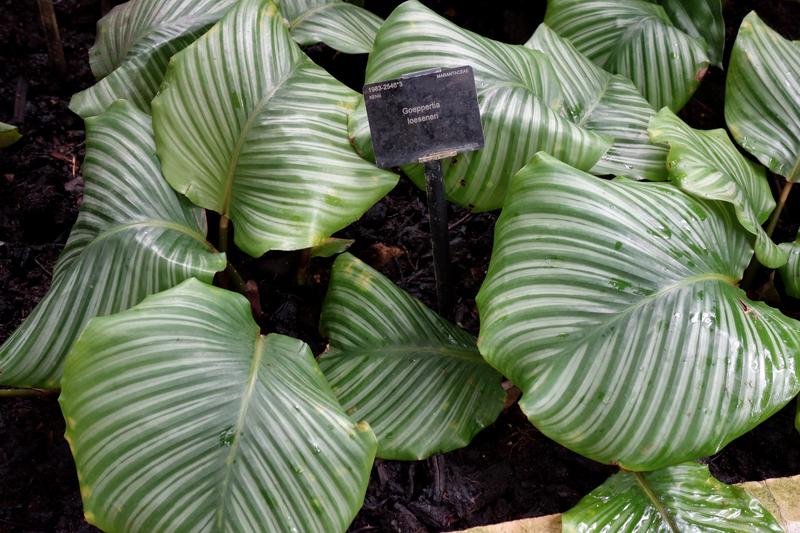
Quick facts
- Watering
- Twice weekly in summer
- Sunlight
- Bright indirect light
- Soil
- Well-draining, peat-free, moisture-retentive
- Humans
- Safe
- Cats
- Safe
- Dogs
- Safe
- Height
- 30–90 cm
- Spread
- 30–60 cm
- Spacing
- 40–50 cm apart
- RHS recognition
- Award of Garden Merit
About Calathea
Calathea, now botanically classified as Goeppertia, is a stunning tropical houseplant prized for its ornate foliage featuring intricate patterns, stripes, and vibrant colours on the upper leaf surfaces with deep purple undersides. Native to the rainforests of Central and South America, these plants are beloved by UK indoor gardeners for their dramatic architectural presence and the fascinating way their leaves fold upwards at night. In British homes, Calatheas thrive in warm, humid conditions, making them ideal for bathrooms or kitchens with consistent moisture levels. Their striking foliage and air-purifying qualities have made them increasingly popular in contemporary UK interior design.
UK fact: Several Calathea species, including Calathea zebrina and Calathea makoyana, have received the RHS Award of Garden Merit for their exceptional ornamental value as houseplants, recognising their suitability for cultivation in British homes despite our relatively dry indoor heating conditions during winter months.
Watering Calathea
Water Calatheas when the top 2-3 cm of compost feels dry to the touch, typically twice weekly during the growing season and weekly in winter. Always use room-temperature or tepid water, as cold tap water can cause leaf spotting and stress. UK tap water can be too hard for these sensitive plants; if your area has hard water, use filtered, distilled, or rainwater to prevent brown leaf tips from mineral build-up. Ensure pots have drainage holes and never allow plants to sit in water, as this quickly leads to root rot in our cooler British climate.
Sunlight requirements
Position your Calathea in a north or east-facing window where it receives bright, indirect light throughout the day, or set back from a south or west-facing window behind a sheer curtain. Direct sunlight will quickly fade the intricate leaf patterns and cause brown, crispy edges. In darker UK winter months, moving plants slightly closer to windows can help maintain healthy growth, but avoid cold draughts from single-glazed panes.
Soil and feeding
Calatheas thrive in a peat-free houseplant compost mixed with perlite or orchid bark (roughly 70:30 ratio) to improve drainage and aeration around the roots. The ideal mix should hold moisture without becoming waterlogged, with a slightly acidic pH between 6.0 and 6.5. Many UK gardeners successfully use coir-based composts as a sustainable peat alternative, enhanced with a handful of horticultural grit. Repot every 1-2 years in spring, moving up only one pot size to prevent the compost staying too wet.
Apply a balanced liquid houseplant feed at half the recommended strength every 4 weeks from April through September when the plant is actively growing. Calatheas are sensitive to fertiliser salts, so always water the compost first before feeding and avoid fertilising during autumn and winter when growth naturally slows in response to reduced UK daylight hours.
Pruning Calathea
Calatheas require minimal pruning beyond removing dead, damaged, or yellowing leaves throughout the year. Use clean, sharp scissors or secateurs to cut stems cleanly at the base where they emerge from the compost, taking care not to damage surrounding healthy growth. Browning leaf edges can be carefully trimmed following the natural leaf shape, though this is usually a sign of low humidity or water quality issues that should be addressed. Regularly removing spent foliage encourages the plant to direct energy into producing fresh, vibrant leaves.
Propagating Calathea
The most reliable method for propagating Calathea is by division during the spring repotting period when the plant is entering active growth. Carefully remove the plant from its pot and gently tease apart the root ball into sections, ensuring each division has at least 3-4 healthy stems and a good root system. Plant divisions immediately into appropriately sized pots with fresh compost, water well, and maintain high humidity by covering with a clear plastic bag or placing in a propagator until new growth appears, typically within 4-6 weeks in UK spring conditions.
Common problems
Calatheas are susceptible to spider mites in dry UK indoor conditions, particularly during winter when central heating reduces humidity; regular misting and checking leaf undersides helps prevent infestations. Brown, crispy leaf edges are the most common cultural problem, typically caused by low humidity, inconsistent watering, or mineral build-up from hard tap water. Fungal leaf spot can develop if foliage remains wet overnight or air circulation is poor, whilst root rot quickly occurs in waterlogged compost, especially in cooler rooms. Yellowing lower leaves are normal as plants mature, but widespread yellowing suggests overwatering or insufficient light during darker British winter months.
Spot a problem with your plant? Photograph the affected area using the Loam app and it will suggest the most likely cause and treatment.
Safety
- Humans
- Safe
- Cats
- Safe
- Dogs
- Safe
Toxicity information is for general guidance only.
Seasonal care calendar
Monthly care guide for Calathea in the UK, based on average conditions.
| Month | Care tasks |
|---|---|
| January | Reduce watering frequency as growth slows; maintain humidity with pebble trays or humidifiers to counter dry central heating. |
| February | Continue minimal watering; check for spider mites in dry indoor conditions and wipe leaves with a damp cloth to remove dust. |
| March | Gradually increase watering as daylight hours lengthen; prepare for repotting if roots are emerging from drainage holes. |
| April | Repot if needed and divide overcrowded plants; resume monthly feeding with diluted liquid fertiliser as new growth appears. |
| May | Increase watering frequency as temperatures rise; maintain high humidity and feed monthly to support active growth. |
| June | Water twice weekly in warm weather; ensure plants are shaded from direct summer sun and mist regularly to boost humidity. |
| July | Maintain consistent moisture and humidity during peak growing season; continue monthly feeding and remove any damaged leaves. |
| August | Keep compost evenly moist in warm weather; provide final feed of the season towards month end as growth begins to slow. |
| September | Gradually reduce watering frequency as temperatures cool; stop feeding and ensure plants are away from cold draughts. |
| October | Reduce watering as growth slows; maintain humidity levels as central heating begins and check for pest activity. |
| November | Water sparingly, allowing compost to dry slightly between waterings; ensure adequate humidity to prevent leaf browning. |
| December | Maintain minimal watering regime; keep plants away from cold windows and radiators whilst maintaining ambient humidity. |
Frequently asked questions
- Why are my Calathea's leaf edges turning brown and crispy?
- Brown, crispy edges are typically caused by low humidity, inconsistent watering, or mineral build-up from hard UK tap water. Increase humidity with pebble trays or a humidifier, maintain evenly moist compost, and switch to filtered or rainwater to resolve the issue.
- How can I tell what's wrong with my Calathea's leaves?
- Calatheas display various symptoms depending on the issue: brown crispy edges suggest low humidity or hard water, curled leaves indicate underwatering, yellowing points to overwatering or poor light, and faded patterns mean too much direct sun. The Loam app can help diagnose specific problems by analysing photos of your plant and providing personalised care recommendations based on your home conditions.
- What type of compost should I use when repotting my Calathea?
- Use a well-draining, peat-free houseplant compost mixed with perlite or orchid bark to improve aeration and prevent waterlogging. Calatheas prefer slightly acidic soil with good moisture retention but excellent drainage. Repot in spring when rootbound, choosing a pot only one size larger, and water thoroughly with filtered or rainwater after repotting to help the plant settle.
Got a question about growing Calathea that isn't covered here? Ask the Garden Advisor in the Loam app. It knows your saved plants and local conditions.
Related plants
This page was compiled with AI assistance and reviewed by our team. .