Prayer Plant
Maranta leuconeura
Houseplants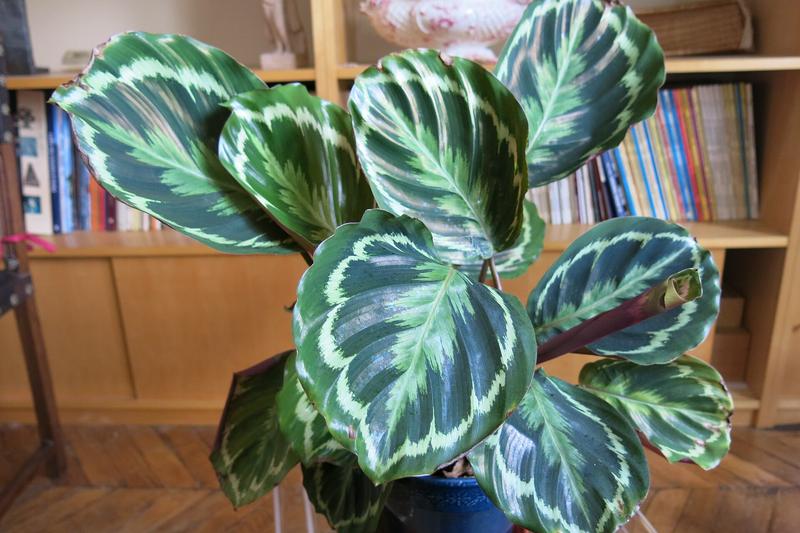
Quick facts
- Watering
- Twice weekly in summer
- Sunlight
- Bright indirect light
- Soil
- Rich, moisture-retentive, well-drained
- Humans
- Safe
- Cats
- Safe
- Dogs
- Safe
- Height
- 20–30 cm
- Spread
- 30–45 cm
- Spacing
- 30–40 cm apart
About Prayer Plant
The Prayer Plant is a striking tropical houseplant native to the Brazilian rainforest, renowned for its beautifully patterned oval leaves featuring dark green markings and red veins. Its common name derives from the fascinating habit of folding its leaves upwards at night, resembling hands in prayer. UK gardeners prize this compact plant for bringing exotic colour and movement to indoor spaces, particularly in bathrooms and kitchens where humidity levels are naturally higher. With proper care, it forms an attractive spreading clump that thrives in the consistent temperatures of British homes.
UK fact: The Prayer Plant has been a favourite in British conservatories and parlours since Victorian times, when exotic foliage plants were collected as status symbols by wealthy plant enthusiasts during the height of the British Empire's tropical expeditions.
Watering Prayer Plant
Water your Prayer Plant thoroughly when the top 2–3 cm of compost feels dry to the touch, typically twice weekly during the growing season and weekly in winter. Use tepid rainwater or filtered water if possible, as Prayer Plants are sensitive to the fluoride and chlorine found in many UK tap water supplies, which can cause brown leaf tips. Empty saucers after 15 minutes to prevent waterlogging, which quickly leads to root rot. During Britain's dry, centrally heated winters, increase humidity by misting regularly or standing the pot on a tray of moist pebbles.
Sunlight requirements
Position your Prayer Plant in a bright spot away from direct sunlight, ideally within 1–2 metres of a north or east-facing window in UK homes. South and west-facing windowsills receive too much intense afternoon sun during British summer months and will cause leaf burn. In darker UK winter months, move the plant closer to windows to maximise available light, but avoid cold draughts from single-glazed panes.
Soil and feeding
Prayer Plants require a rich, moisture-retentive growing medium with excellent drainage, ideally a peat-free houseplant compost mixed with 20% perlite or bark chips. The compost should hold moisture without becoming waterlogged, mimicking the plant's native rainforest floor habitat. A slightly acidic to neutral pH of 5.5–6.5 is ideal. Repot every 2–3 years in spring using fresh compost, choosing a pot only slightly larger than the previous one as Prayer Plants prefer being slightly pot-bound.
Apply a balanced liquid houseplant fertiliser at half the recommended strength every two weeks from April through September when the plant is actively growing. Reduce feeding to monthly during autumn and cease entirely in winter when growth naturally slows in response to reduced UK daylight hours. Over-feeding causes salt build-up in the compost and leaf tip burn, so always err on the side of caution.
Pruning Prayer Plant
Prayer Plants require minimal pruning beyond removing any yellowing, damaged or brown-edged leaves by cutting them cleanly at the base with sterilised scissors. This tidying can be done at any time of year and encourages the plant to direct energy into healthy foliage. If your plant becomes leggy or sparse, prune back up to one-third of the stems in spring to promote bushier growth. The plant's natural habit is to spread horizontally, so avoid trying to force an upright shape.
Propagating Prayer Plant
The most reliable propagation method for Prayer Plants is division, which can be carried out when repotting in spring. Carefully separate the root ball into sections, ensuring each division has several stems and a healthy root system. Alternatively, take 10 cm stem cuttings just below a node during late spring or summer, removing the lower leaves and rooting in water or moist perlite. Cuttings typically root within 3–4 weeks in warm conditions with high humidity.
Common problems
Prayer Plants are generally trouble-free but can suffer from spider mites in dry, centrally heated UK homes, particularly in winter—look for fine webbing and stippled leaves, and treat by increasing humidity and washing leaves regularly. Brown leaf tips are commonly caused by low humidity, fluoride in tap water, or inconsistent watering; switch to rainwater and mist regularly. Yellowing leaves typically indicate overwatering or cold draughts, both common problems in British homes during winter. Root rot develops quickly if the compost remains waterlogged, so always ensure pots have drainage holes and never leave plants sitting in water.
Spot a problem with your plant? Photograph the affected area using the Loam app and it will suggest the most likely cause and treatment.
Safety
- Humans
- Safe
- Cats
- Safe
- Dogs
- Safe
Toxicity information is for general guidance only.
Seasonal care calendar
Monthly care guide for Prayer Plant in the UK, based on average conditions.
| Month | Care tasks |
|---|---|
| January | Reduce watering to weekly and cease feeding. Keep away from cold windows and draughts. Mist regularly in centrally heated rooms. |
| February | Continue minimal watering and maintain humidity through misting. Check for spider mites in dry indoor conditions. |
| March | Begin increasing watering frequency as daylight hours lengthen. Remove any damaged leaves from winter. Consider repotting if pot-bound. |
| April | Resume fortnightly feeding with diluted liquid fertiliser. Increase watering to twice weekly as growth accelerates. Ideal time for repotting or division. |
| May | Continue regular watering and feeding. Take stem cuttings for propagation. Monitor for pests as temperatures rise. |
| June | Maintain consistent moisture and fortnightly feeding. Ensure plant is shaded from direct summer sun. Mist regularly during warm spells. |
| July | Peak growing season—water twice weekly and feed fortnightly. Increase humidity during hot weather. Remove any faded leaves promptly. |
| August | Continue summer care routine with regular watering and feeding. Take final stem cuttings for propagation before autumn. |
| September | Begin reducing feeding to monthly as growth slows. Maintain watering frequency but check compost moisture levels carefully. |
| October | Reduce watering to weekly and give final feed of the season. Move away from cold windows as temperatures drop. |
| November | Cease feeding and reduce watering further. Increase humidity through misting as central heating begins. Check for draughts. |
| December | Minimal watering only when compost surface feels dry. Maintain humidity and keep in warmest room away from cold windows. |
Frequently asked questions
- How do I propagate my Prayer Plant?
- Prayer Plants propagate easily through division during spring repotting. Gently separate the rhizomes, ensuring each section has at least 2–3 leaves and healthy roots. Plant divisions in peat-free houseplant compost, keep warm (18–24°C) and maintain high humidity with a clear plastic bag tent. Water sparingly until new growth appears in 3–4 weeks.
- Why are my Prayer Plant's leaves curling and turning brown at the edges?
- Brown, curling leaf edges typically indicate low humidity or fluoride damage from tap water. Increase humidity by misting daily or using a pebble tray, and switch to rainwater or filtered water. Ensure the plant isn't in a draughty spot or too close to radiators. The Loam app can help diagnose specific leaf problems and send reminders to maintain consistent humidity levels.
- Is it normal for my Prayer Plant to grow slowly in winter?
- Yes, Prayer Plants naturally slow or stop growing during British winter months due to reduced daylight and cooler temperatures. This is normal dormancy behaviour. Reduce watering and cease feeding until spring, and growth will resume as days lengthen.
Got a question about growing Prayer Plant that isn't covered here? Ask the Garden Advisor in the Loam app. It knows your saved plants and local conditions.
Related plants
This page was compiled with AI assistance and reviewed by our team. .