Ctenanthe
Ctenanthe oppenheimiana
Houseplants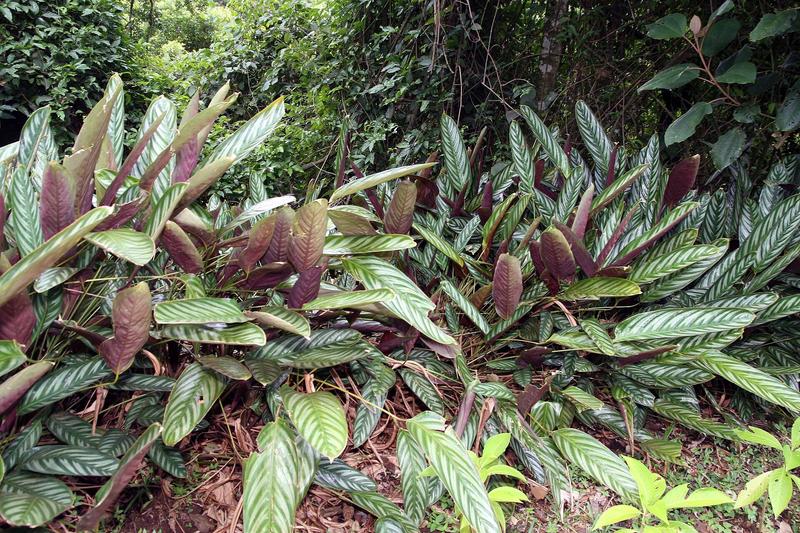
Quick facts
- Watering
- Twice weekly during growing season
- Sunlight
- Bright indirect light
- Soil
- Well-draining, peat-free, moisture-retentive
- Humans
- Safe
- Cats
- Safe
- Dogs
- Safe
- Height
- 30–90 cm
- Spread
- 30–60 cm
- Spacing
- 40–50 cm apart
About Ctenanthe
Ctenanthe is a striking Brazilian rainforest native prized for its dramatic foliage featuring bold cream and green stripes on the upper surface and deep purple undersides. This tropical perennial belongs to the prayer plant family (Marantaceae) and shares the characteristic of folding its leaves upward at night. UK gardeners value it as an architectural houseplant that brings exotic colour and movement to indoor spaces, particularly in bathrooms and conservatories where humidity levels are naturally higher. Its compact growth habit makes it ideal for smaller British homes whilst still delivering maximum visual impact.
UK fact: Ctenanthe thrives particularly well in British bathrooms with north-facing windows, where the combination of indirect light and steam from showers mimics its native Brazilian cloud forest habitat without the need for additional humidifiers.
Watering Ctenanthe
Water thoroughly when the top 2–3 cm of compost feels dry to the touch, allowing excess to drain completely from the pot. During the active growing period from April to September, this typically means watering twice weekly in centrally heated UK homes. Reduce to weekly or fortnightly watering from October through March as the plant's growth slows and evaporation rates decrease. Always use tepid water rather than cold tap water, and if possible allow chlorinated water to stand overnight before use. Ctenanthe is sensitive to both overwatering (which causes root rot) and underwatering (which leads to crispy brown leaf edges and curling), so consistency is key.
Sunlight requirements
Position your ctenanthe within 1–2 metres of a north-facing window or set back from east or west-facing windows in UK homes. Direct sunlight, particularly during summer months, will bleach the cream variegation and cause brown, crispy leaf edges. In darker British winter months, move the plant slightly closer to windows or supplement with a grow light to maintain vibrant leaf colouration and prevent leggy growth.
Soil and feeding
Ctenanthe performs best in a peat-free multipurpose compost amended with 20–30% perlite, orchid bark, or coir to improve drainage whilst maintaining moisture retention. The ideal pH range is slightly acidic to neutral (5.5–7.0). A mix designed for African violets or other tropical houseplants works well, or create your own blend using two parts peat-free compost, one part perlite, and one part orchid bark. Good drainage is essential to prevent root rot, yet the medium must retain enough moisture to keep roots consistently hydrated between waterings.
Apply a balanced liquid houseplant fertiliser (NPK 10-10-10 or similar) at half the recommended strength every four weeks from April through September. Avoid feeding during autumn and winter when the plant's growth naturally slows in response to reduced light levels. Over-feeding can cause salt build-up in the compost and lead to brown leaf tips, so err on the side of caution with dilution rates.
Pruning Ctenanthe
Ctenanthe requires minimal pruning beyond regular removal of damaged, yellowing, or brown leaves which should be cut cleanly at the base using sterilised scissors or secateurs. This tidying can be done at any time of year as needed. If the plant becomes leggy or loses its compact shape, you can cut back stems to encourage bushier growth, ideally in spring when the plant is entering its active growing phase. Wipe down the large leaves monthly with a damp cloth to remove dust and allow the plant to photosynthesise efficiently, taking care not to damage the delicate foliage.
Propagating Ctenanthe
The most reliable propagation method for ctenanthe is division, best undertaken in spring (March to May) when the plant is actively growing and can recover quickly. Carefully remove the plant from its pot and gently tease apart the root ball into sections, ensuring each division has several stems and a healthy root system. Stem cuttings are less successful with this species compared to division. Plant each division into fresh, moisture-retentive compost and water well, maintaining high humidity around the new plants until established.
Common problems
Ctenanthe is susceptible to spider mites, particularly in dry, centrally heated UK homes during winter; regular misting and wiping leaves helps prevent infestations. Brown, crispy leaf edges typically indicate low humidity, underwatering, or fluoride/chlorine sensitivity from tap water, whilst yellowing leaves often signal overwatering or poor drainage. Fungal leaf spot can develop in overly humid conditions with poor air circulation, appearing as brown or black spots on foliage. Root rot is a common problem when plants sit in waterlogged compost, causing stems to collapse and leaves to yellow rapidly; always ensure pots have drainage holes and never allow plants to stand in water.
Spot a problem with your plant? Photograph the affected area using the Loam app and it will suggest the most likely cause and treatment.
Safety
- Humans
- Safe
- Cats
- Safe
- Dogs
- Safe
Toxicity information is for general guidance only.
Seasonal care calendar
Monthly care guide for Ctenanthe in the UK, based on average conditions.
| Month | Care tasks |
|---|---|
| January | Reduce watering to weekly or fortnightly as growth slows. Maintain humidity through misting. Keep away from cold draughts and windows. |
| February | Continue minimal watering regime. Check for spider mites in dry, heated rooms. Remove any damaged leaves. |
| March | Begin increasing watering frequency as light levels improve. Ideal time to repot or divide if pot-bound. Resume monthly feeding. |
| April | Water twice weekly as growth accelerates. Feed monthly with diluted liquid fertiliser. Propagate by division if desired. |
| May | Maintain regular watering and feeding schedule. Wipe leaves to remove dust. Monitor for pests as temperatures rise. |
| June | Water frequently in warm weather, ensuring compost stays moist. Continue monthly feeding. Mist regularly to maintain humidity. |
| July | Peak growing season—maintain consistent watering and feeding. Protect from direct summer sun. Increase humidity during hot spells. |
| August | Continue regular care routine. Check soil moisture frequently in warm weather. Remove any yellowing or damaged foliage. |
| September | Begin reducing watering frequency slightly as growth slows. Final feed of the season mid-month. Clean leaves thoroughly. |
| October | Reduce watering to weekly. Stop feeding. Move away from cold windows as temperatures drop. Maintain humidity through misting. |
| November | Water sparingly, allowing top layer of compost to dry between waterings. Ensure adequate warmth as heating systems activate. |
| December | Minimal watering required. Keep away from cold draughts and radiators. Mist occasionally to counteract dry indoor air. |
Frequently asked questions
- Why are the leaves on my ctenanthe curling and turning brown at the edges?
- Curling leaves with brown, crispy edges indicate low humidity or underwatering, both common in UK homes with central heating. Increase humidity by misting daily, grouping plants together, or placing on a pebble tray. Ensure you're watering when the top 2–3 cm of compost feels dry, and consider using filtered or rainwater if your tap water is hard or heavily chlorinated.
- How do I know if my ctenanthe is getting the right care?
- Ctenanthe can be sensitive to changes in watering, humidity, and light, making it tricky to get the balance right. The Loam app can help by providing personalised care reminders based on your home conditions, diagnosing problems from photos of your plant, and offering tailored advice for UK growing conditions. Look for signs like vibrant variegation, upright growth, and the characteristic leaf movement at night as indicators of good health.
- How do I propagate ctenanthe?
- The easiest method is division during repotting in spring (March to May). Gently remove the plant from its pot and carefully separate the root ball into sections, ensuring each division has several stems and healthy roots. Plant each section in fresh peat-free compost mixed with perlite, water thoroughly, and keep in a warm spot with high humidity whilst new roots establish. Avoid propagating in autumn or winter when growth slows in UK conditions.
Got a question about growing Ctenanthe that isn't covered here? Ask the Garden Advisor in the Loam app. It knows your saved plants and local conditions.
Related plants
This page was compiled with AI assistance and reviewed by our team. .