Stromanthe
Stromanthe thalia
Houseplants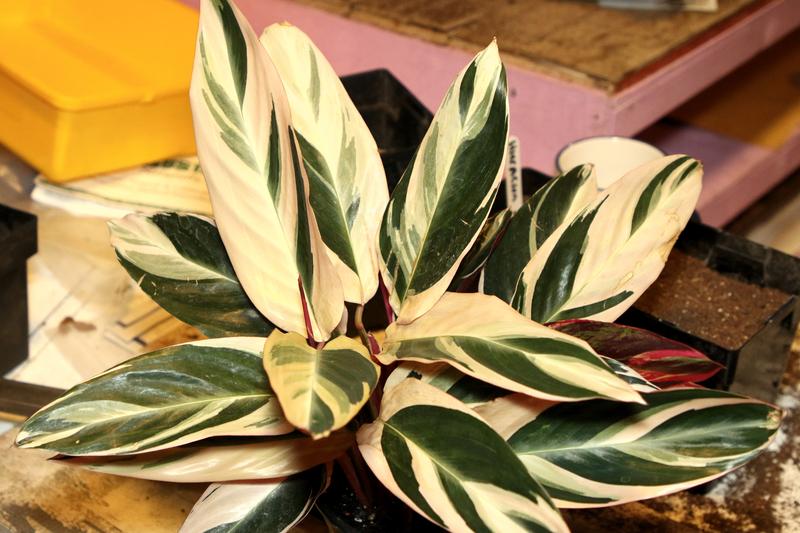
Quick facts
- Watering
- Twice weekly in summer
- Sunlight
- Bright indirect light
- Soil
- Rich, well-draining, peat-free
- Humans
- Safe
- Cats
- Safe
- Dogs
- Safe
- Height
- 60–100 cm
- Spread
- 40–60 cm
- Spacing
- 0 cm apart
About Stromanthe
Stromanthe is a striking tropical houseplant native to the Brazilian rainforest, prized for its beautifully patterned foliage featuring cream, pink and green variegation on the upper leaf surface and deep magenta undersides. UK gardeners value this plant for its dramatic architectural presence and the way its leaves fold upwards at night, revealing the vibrant pink colouration beneath. As a humidity-loving specimen, it thrives in bright bathrooms, conservatories or well-lit living spaces where moisture levels can be maintained. Though more demanding than some houseplants, its stunning appearance makes it a rewarding choice for those willing to provide the right conditions.
UK fact: Stromanthe has become increasingly popular in UK homes since 2015, with British plant collectors particularly drawn to the cultivar 'Triostar', which has earned recognition for its exceptional variegation and is frequently featured in RHS houseplant displays at Chelsea and Hampton Court.
Watering Stromanthe
Water thoroughly when the top 2–3 cm of compost feels dry to the touch, typically twice weekly during the growing season and weekly in winter when growth slows. Use tepid, filtered or rainwater if possible, as stromanthe is sensitive to the fluoride and chlorine found in many UK tap water supplies, which can cause brown leaf tips. Ensure pots have drainage holes and never allow the plant to sit in water, as this rapidly leads to root rot. Maintain high humidity by misting daily, standing the pot on a pebble tray, or grouping with other tropical plants.
Sunlight requirements
Position your stromanthe within 1–2 metres of an east or north-facing window in UK homes, where it receives plenty of ambient light without harsh direct rays. South and west-facing windows can work during autumn and winter, but require sheer curtains or positioning slightly back from the glass during spring and summer to prevent leaf burn. Insufficient light causes the distinctive pink and cream variegation to fade, whilst too much direct sun bleaches and scorches the delicate foliage.
Soil and feeding
Plant in a peat-free houseplant compost enriched with perlite or orchid bark (roughly 70% compost to 30% drainage material) to ensure adequate moisture retention whilst preventing waterlogging. The mix should hold water without becoming compacted, allowing air to reach the roots. Stromanthe prefers slightly acidic conditions with a pH of 5.5–6.5, so avoid lime-based composts. Repot every 2–3 years in spring, moving up one pot size when roots fill the container.
Apply a half-strength balanced houseplant feed (NPK 10-10-10 or similar) every four weeks from April through September when the plant is actively growing. Reduce feeding to every 6–8 weeks during autumn and cease entirely in winter when growth naturally slows. Over-feeding causes salt build-up in the compost, leading to brown leaf edges and tips.
Pruning Stromanthe
Stromanthe requires minimal pruning beyond removing spent or damaged foliage to keep the plant looking tidy and prevent fungal issues. Use clean, sharp scissors or secateurs to cut leaves at the base where they emerge from the main stem, taking care not to damage surrounding growth. If the plant becomes leggy or loses lower leaves, you can cut back stems by up to one-third in spring to encourage bushier growth. Wipe tools with diluted bleach or methylated spirits between cuts to prevent disease spread.
Propagating Stromanthe
The most reliable method for propagating stromanthe is division during the spring repotting period. Carefully remove the plant from its pot and gently tease apart the root ball into sections, ensuring each division has at least 2–3 stems and a healthy root system. Plant divisions immediately into appropriately sized pots filled with fresh houseplant compost, water thoroughly, and maintain high humidity by covering with a clear plastic bag or placing in a propagator until new growth appears, typically within 4–6 weeks.
Common problems
Stromanthe is susceptible to spider mites in dry UK homes, particularly during winter when central heating reduces humidity; regular misting and checking leaf undersides helps prevent infestations. Brown leaf tips and edges typically indicate low humidity, fluoride sensitivity from tap water, or inconsistent watering rather than disease. Fungal leaf spot can develop if foliage remains wet overnight, so always water at the base and ensure good air circulation. Root rot occurs rapidly if the compost becomes waterlogged, causing yellowing leaves and a musty smell from the pot.
Spot a problem with your plant? Photograph the affected area using the Loam app and it will suggest the most likely cause and treatment.
Safety
- Humans
- Safe
- Cats
- Safe
- Dogs
- Safe
Toxicity information is for general guidance only.
Seasonal care calendar
Monthly care guide for Stromanthe in the UK, based on average conditions.
| Month | Care tasks |
|---|---|
| January | Reduce watering to weekly. Maintain humidity with daily misting. Keep away from cold draughts and radiators. |
| February | Continue minimal watering. Check for spider mites in dry heated rooms. Wipe leaves to remove dust. |
| March | Begin increasing watering frequency as light levels improve. Resume monthly feeding towards month end. |
| April | Repot if roots are congested. Divide overcrowded plants. Increase watering to twice weekly as growth resumes. |
| May | Water twice weekly. Feed monthly with diluted liquid fertiliser. Mist daily to maintain humidity. |
| June | Monitor for direct sun damage as days lengthen. Maintain consistent moisture and high humidity. Feed monthly. |
| July | Water twice weekly, more frequently in hot weather. Ensure shading from intense afternoon sun. Feed monthly. |
| August | Continue regular watering and feeding. Check for spider mites. Mist daily during warm spells. |
| September | Reduce feeding to every 6 weeks. Maintain watering twice weekly. Remove any damaged leaves. |
| October | Reduce watering frequency as growth slows. Stop feeding by month end. Ensure adequate humidity as heating starts. |
| November | Water weekly only. Maintain humidity with pebble trays or grouping plants. Keep away from cold windows. |
| December | Minimal watering required. Mist regularly to counter dry indoor air. Ensure temperatures remain above 15°C. |
Frequently asked questions
- Why are my stromanthe leaves curling and turning brown at the edges?
- Leaf curling and brown edges typically indicate low humidity or inconsistent watering. Stromanthe requires humidity levels above 50%, which can be challenging in UK homes with central heating. Increase humidity by misting daily, using a pebble tray, or grouping with other plants. Brown tips can also result from fluoride in tap water; switch to filtered or rainwater if possible. Ensure the compost stays consistently moist but not waterlogged, and avoid placing near radiators or draughts.
- How can I tell if my stromanthe needs more or less light?
- If variegation fades and leaves turn predominantly green, your plant needs more light; move it closer to a window. Conversely, bleached patches, brown scorched spots, or pale washed-out colours indicate too much direct sun. The Loam app can help you track your plant's location and monitor how changes in light affect its appearance, with personalised recommendations based on your specific room conditions and seasonal light variations.
- Can I grow stromanthe in a bathroom without a window?
- Whilst stromanthe thrives in the high humidity of bathrooms, it requires bright indirect light to maintain its vibrant colouration and will struggle in windowless rooms. If your bathroom has only artificial lighting, the plant will gradually decline and lose variegation. Consider bathrooms with frosted windows or skylights, or choose more shade-tolerant houseplants like pothos or snake plants for windowless spaces.
Got a question about growing Stromanthe that isn't covered here? Ask the Garden Advisor in the Loam app. It knows your saved plants and local conditions.
Related plants
This page was compiled with AI assistance and reviewed by our team. .