Tulip
Tulipa
Bulbs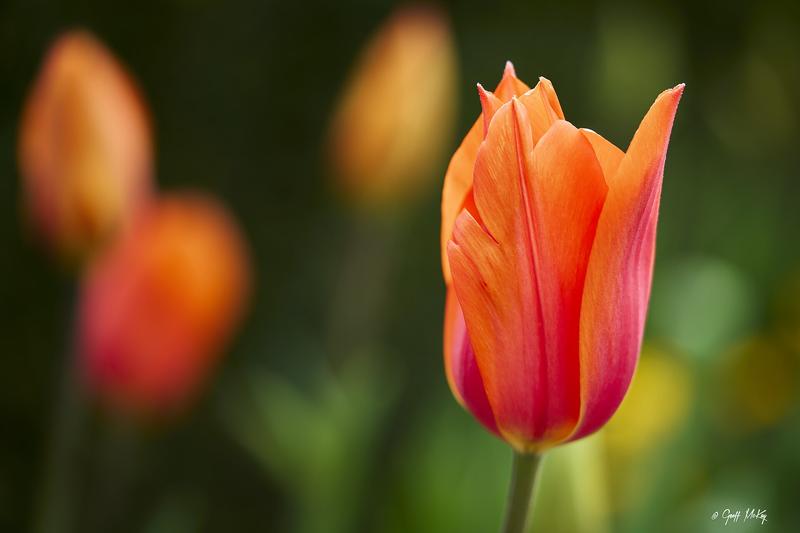
Quick facts
- Watering
- Minimal once established
- Sunlight
- Full sun
- Soil
- Well-drained, fertile, neutral to alkaline
- Humans
- Toxic
- Cats
- Toxic
- Dogs
- Toxic
- Height
- 10–75 cm
- Spread
- 5–15 cm
- Spacing
- 10–15 cm apart
- RHS recognition
- Award of Garden Merit
About Tulip
Tulips are iconic spring-flowering bulbs renowned for their elegant, cup-shaped blooms in virtually every colour imaginable. Originating from Central Asia and cultivated extensively in the Netherlands, they have been cherished in British gardens since the 17th century. UK gardeners prize tulips for their vibrant spring displays in borders, containers, and cutting gardens, with varieties ranging from early-flowering species to late-season doubles and fringed cultivars.
UK fact: Many tulip cultivars hold the RHS Award of Garden Merit, and the UK's temperate climate is ideal for growing tulips as they require a cold winter period to flower successfully, making them particularly well-suited to British conditions.
Watering Tulip
Water tulips during prolonged dry spells in spring when foliage is actively growing and flower buds are developing. Once flowering finishes and foliage begins to yellow, cease watering entirely to allow bulbs to enter dormancy. In the UK's typically wet climate, tulips planted in borders rarely need supplementary watering, but container-grown specimens may require weekly watering during dry spring weather. Avoid waterlogging at all costs, particularly during summer and autumn when bulbs are dormant.
Sunlight requirements
Plant tulips in a position receiving at least six hours of direct sunlight daily for optimal flowering. South-facing or west-facing beds are ideal in the UK, though avoid excessively hot, sheltered spots that may cause premature flowering. In northern regions, maximise sun exposure to ensure bulbs ripen properly after flowering.
Soil and feeding
Plant tulips in well-drained soil with a neutral to slightly alkaline pH of 6.5–7.5, enriched with well-rotted compost or leaf mould. Heavy clay soils must be improved with horticultural grit or sharp sand to prevent waterlogging, which causes bulb rot. Raised beds or containers filled with loam-based compost (such as John Innes No. 2) mixed with extra grit are excellent for tulips in gardens with poor drainage. Avoid freshly manured soil, which can encourage fungal diseases.
Mix bone meal or a slow-release bulb fertiliser into the planting hole in autumn. After flowering, apply a high-potash liquid feed (such as tomato fertiliser) every fortnight until foliage dies back naturally, which helps bulbs store energy for next year's display.
Pruning Tulip
Remove faded blooms immediately after flowering to prevent seed formation, which diverts energy from bulb development. Leave the stem and all foliage intact until it turns completely yellow and withers, typically by late June or early July. Resist the temptation to tidy away green leaves or tie them in knots, as this reduces the bulb's ability to store nutrients. Once foliage has fully died back, it can be gently removed or left to decompose naturally.
Propagating Tulip
Lift tulip bulbs in late June or July once foliage has completely withered, and carefully separate small offset bulbs from the parent bulb. Clean off soil, discard any damaged or diseased bulbs, and store healthy bulbs and offsets in a cool, dry, well-ventilated location until replanting in autumn. Offsets typically take two to three years to reach flowering size, so many UK gardeners prefer to purchase new bulbs annually for guaranteed spring displays.
Common problems
Tulip fire (Botrytis tulipae) is the most serious fungal disease in the UK, causing distorted growth, brown spots on leaves and flowers, and bulb rot; remove and destroy affected plants immediately. Slugs and snails damage emerging shoots and flowers, particularly in wet springs. Squirrels, mice, and other rodents frequently dig up and eat newly planted bulbs, so protect with wire mesh or chicken wire. Aphids may infest foliage and flowers in late spring, spreading viruses that cause colour-breaking and weakened growth.
Spot a problem with your plant? Photograph the affected area using the Loam app and it will suggest the most likely cause and treatment.
Safety
- Humans
-
Toxic
All parts of tulips, particularly the bulbs, contain tulipalin and other allergens that can cause skin irritation, nausea, and vomiting if ingested. Handle bulbs with gloves if you have sensitive skin.
- Cats
-
Toxic
Tulips contain tulipalin A and B, which are toxic to cats and can cause vomiting, diarrhoea, drooling, and depression if ingested. The bulbs are most toxic.
- Dogs
-
Toxic
All parts of tulips are toxic to dogs, with bulbs being most dangerous. Ingestion can cause vomiting, diarrhoea, hypersalivation, and in severe cases, cardiac abnormalities.
Toxicity information is for general guidance only. If a person or pet has been exposed to this plant and you are concerned, seek advice from a medical professional or vet.
Seasonal care calendar
Monthly care guide for Tulip in the UK, based on average conditions.
| Month | Care tasks |
|---|---|
| January | No action needed. Bulbs are developing roots underground in cold soil. |
| February | Watch for early shoots emerging in mild spells. Protect from slugs and snails with organic pellets or barriers. |
| March | Early varieties begin flowering. Stake tall varieties if needed and water during dry spells. |
| April | Peak flowering period for most tulips. Deadhead spent blooms promptly and continue watering if dry. |
| May | Late varieties finish flowering. Deadhead but leave all foliage intact. Begin fortnightly high-potash feeding. |
| June | Allow foliage to die back naturally. Continue feeding until leaves turn yellow. Lift bulbs for storage if desired. |
| July | Lift, clean, and store bulbs once foliage has completely withered, or leave in situ in well-drained soil. |
| August | Store lifted bulbs in a cool, dry location. Begin planning autumn planting schemes. |
| September | Prepare planting sites by improving drainage and adding compost. Order bulbs from suppliers. |
| October | Ideal planting month. Plant bulbs 15–20cm deep and 10–15cm apart in well-drained soil. |
| November | Complete planting by mid-month. Protect newly planted areas from rodents with wire mesh if necessary. |
| December | No action needed. Bulbs are establishing roots in cold soil ready for spring growth. |
Frequently asked questions
- When should I plant tulip bulbs in the UK?
- Plant tulip bulbs in October or November when soil temperatures have cooled. Late planting (even into early December) can help reduce the risk of tulip fire disease and discourage rodents from finding freshly planted bulbs.
- Why didn't my tulips flower this year?
- Common causes include planting bulbs too shallow, poor drainage causing bulb rot, removing foliage too early the previous year (preventing energy storage), overcrowding, or bulbs being eaten by rodents. If you're unsure what's affecting your tulips, the Loam app can help diagnose problems through photos and provide personalised care advice based on your garden conditions.
- Should I deadhead tulips after flowering?
- Yes, remove spent tulip flowers once petals fade to prevent the plant wasting energy on seed production. However, leave the foliage intact until it turns yellow and dies back naturally—usually six weeks after flowering. This allows the bulb to photosynthesise and store energy for next year's display. Cut back only the brown, withered leaves.
Got a question about growing Tulip that isn't covered here? Ask the Garden Advisor in the Loam app. It knows your saved plants and local conditions.
Related plants
This page was compiled with AI assistance and reviewed by our team. .