Crocus
Crocus vernus
Bulbs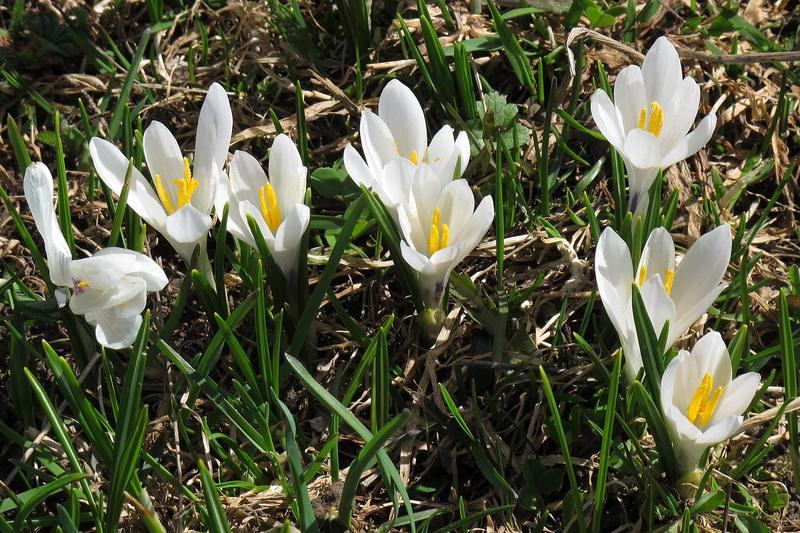
Quick facts
- Watering
- Minimal once established
- Sunlight
- Full sun to partial shade
- Soil
- Well-drained, moderately fertile
- Humans
- Toxic
- Cats
- Toxic
- Dogs
- Toxic
- Height
- 8–15 cm
- Spread
- 5–8 cm
- Spacing
- 7–10 cm apart
- RHS recognition
- Award of Garden Merit
About Crocus
Crocus vernus, the Dutch crocus, is a beloved spring-flowering bulb that produces goblet-shaped blooms in shades of purple, white, yellow, and striped varieties from late winter through early spring. Native to the alpine meadows of central and southern Europe, these cheerful bulbs have been cultivated in British gardens since the 16th century. UK gardeners prize crocuses for their ability to naturalise in lawns and borders, providing vital early nectar for bees and other pollinators when little else is in flower. Their low-growing habit and ease of care make them ideal for rock gardens, containers, and underplanting beneath deciduous trees and shrubs.
UK fact: Crocus vernus holds the RHS Award of Garden Merit and has been a staple of British spring gardens since Tudor times, with several cultivars developed specifically for UK growing conditions, including the popular 'Pickwick' with its distinctive lilac and white striped petals.
Watering Crocus
Water newly planted corms if autumn conditions are exceptionally dry, but established crocuses rarely need supplementary watering in the UK. Natural rainfall during autumn, winter, and spring provides adequate moisture for growth and flowering. Avoid watering during the summer dormancy period, as wet conditions can cause corm rot. If growing crocuses in containers, water sparingly during the growing season, ensuring the compost never becomes waterlogged, and keep completely dry once foliage has died back in late spring.
Sunlight requirements
Plant crocuses in a position that receives full sun for at least half the day during late winter and early spring when they are in active growth. South-facing or west-facing borders are ideal in the UK, though they will tolerate the dappled shade cast by deciduous trees and shrubs that are still bare when crocuses bloom. Avoid deep shade under evergreens, as this will result in poor flowering and weak growth.
Soil and feeding
Plant crocuses in well-drained soil of moderate fertility; they perform poorly in heavy clay unless drainage is improved with grit or sharp sand. A neutral to slightly alkaline pH of 6.5–7.5 is ideal, though they tolerate a range of soil types provided drainage is good. For heavy soils common in many UK gardens, dig in plenty of horticultural grit or plant corms on a layer of sharp sand to prevent waterlogging. In containers, use a loam-based compost such as John Innes No. 2 mixed with extra grit in a ratio of 3:1.
Feed crocuses with a liquid tomato fertiliser or bone meal in early spring as flowers fade but whilst foliage is still green and photosynthesising. This helps replenish the corm's energy reserves for next year's display. Avoid high-nitrogen feeds, which promote leaf growth at the expense of flowers and can make corms more susceptible to disease.
Pruning Crocus
Deadhead spent flowers if desired, though this is not essential as crocuses rarely set seed in UK gardens. The crucial task is to leave the foliage intact after flowering, allowing it to photosynthesise and feed the corm for six to eight weeks. Resist the temptation to tidy away yellowing leaves too early, as premature removal weakens the corm and reduces flowering the following year. If crocuses are naturalised in lawns, delay mowing until late May or early June when foliage has completely died back.
Propagating Crocus
The easiest method of propagation is by division of established clumps during the dormant period in summer. Lift congested clumps in June or July once foliage has completely died back, carefully separate the corms and cormlets, and replant immediately at the correct depth. Cormlets may take two to three years to reach flowering size. Alternatively, allow crocuses to naturalise and self-propagate, lifting and dividing only when flowering diminishes due to overcrowding.
Common problems
Crocuses are generally trouble-free but can suffer from squirrels, mice, and birds digging up and eating newly planted corms in autumn. Cover plantings with chicken wire until shoots emerge, or plant corms deeper than usual at 15 cm to deter rodents. Corm rot caused by Fusarium or other fungi can occur in waterlogged soil; ensure good drainage and avoid planting in heavy, wet ground. Ink disease, caused by the fungus Sclerotinia, produces black streaks on corms and should be controlled by removing and destroying affected bulbs immediately to prevent spread.
Spot a problem with your plant? Photograph the affected area using the Loam app and it will suggest the most likely cause and treatment.
Safety
- Humans
-
Toxic
All parts of the crocus corm contain toxic compounds that can cause gastrointestinal upset if ingested. Handle corms with care and wash hands after planting.
- Cats
-
Toxic
Crocus corms are toxic to cats and can cause vomiting, diarrhoea, and drooling if ingested. Keep cats away from freshly planted corms.
- Dogs
-
Toxic
Crocus corms are toxic to dogs and can cause vomiting, diarrhoea, and abdominal pain if eaten. Prevent dogs from digging up newly planted corms.
Toxicity information is for general guidance only. If a person or pet has been exposed to this plant and you are concerned, seek advice from a medical professional or vet.
Seasonal care calendar
Monthly care guide for Crocus in the UK, based on average conditions.
| Month | Care tasks |
|---|---|
| January | Early varieties begin flowering in mild winters. Protect emerging shoots from slug damage. |
| February | Peak flowering period. Enjoy the display and watch for pollinating bees on warm days. |
| March | Later varieties continue flowering. Deadhead spent blooms if desired and apply liquid feed as flowers fade. |
| April | Allow foliage to die back naturally. Continue feeding to build up corms for next year. |
| May | Foliage yellows and dies back. Delay lawn mowing if crocuses are naturalised in grass. |
| June | Foliage fully died back. Lift and divide congested clumps if required. Corms now dormant. |
| July | Corms dormant. Last opportunity to lift and divide before autumn planting season. |
| August | Corms dormant. Prepare planting sites by improving drainage if necessary. |
| September | Ideal month for planting new corms. Plant 7–10 cm deep in well-drained soil. |
| October | Continue planting corms. Protect newly planted areas from squirrels and mice with wire netting. |
| November | Last chance to plant corms for spring flowering. Roots developing underground. |
| December | Corms establishing root systems. Shoots may emerge in very mild winters. |
Frequently asked questions
- When should I plant crocus bulbs in the UK?
- Plant crocus corms in September or October for flowering the following late winter and early spring. Corms need time to establish roots before winter, so avoid planting later than November. If you've missed the autumn window, pot-grown crocuses can be planted in spring whilst in flower.
- Why are my crocus leaves turning yellow and what should I do?
- Yellowing foliage after flowering is completely normal and essential for the corm's health. The leaves photosynthesise for six to eight weeks after blooms fade, feeding the corm for next year's display. Allow foliage to die back naturally before removing it. If you're unsure whether yellowing is normal or indicates a problem, the Loam app can help diagnose issues and send you timely reminders for when to cut back foliage safely.
- What depth should I plant crocus corms?
- Plant crocus corms at a depth of 7-10 cm (3-4 inches) in well-drained soil, spacing them 5-7 cm apart. In heavy clay soils, add horticultural grit to improve drainage. If you're planting in areas with squirrel problems, you can plant deeper at 15 cm to deter digging. Always plant with the pointed end facing upwards.
Got a question about growing Crocus that isn't covered here? Ask the Garden Advisor in the Loam app. It knows your saved plants and local conditions.
Related plants
This page was compiled with AI assistance and reviewed by our team. .