Snowdrop
Galanthus nivalis
Bulbs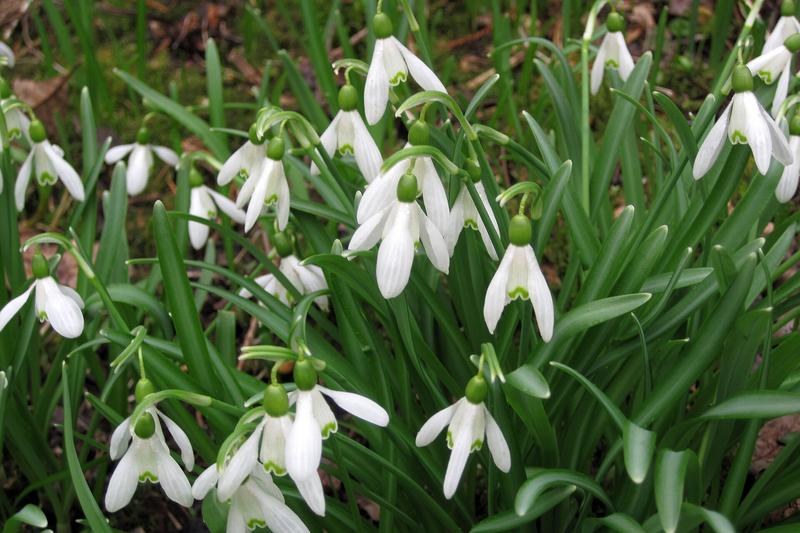
Quick facts
- Watering
- Minimal once established
- Sunlight
- Partial shade to full sun
- Soil
- Moist, well-drained, humus-rich
- Humans
- Toxic
- Cats
- Toxic
- Dogs
- Toxic
- Height
- 10–20 cm
- Spread
- 5–8 cm
- Spacing
- 8–10 cm apart
- RHS recognition
- Award of Garden Merit
About Snowdrop
Snowdrops are beloved early-flowering bulbs producing delicate nodding white flowers with distinctive green markings, typically appearing from January to March. Native to Europe and naturalised across much of Britain, these hardy perennials are amongst the first signs of spring in UK gardens. British gardeners cherish snowdrops for their ability to brighten winter borders, naturalise under deciduous trees, and provide vital early nectar for emerging pollinators. Their resilience and charm have made them a quintessential feature of British woodland gardens and cottage borders for centuries.
UK fact: Snowdrops hold an RHS Award of Garden Merit and have inspired a devoted following of 'galanthophiles' in Britain, with specialist snowdrop sales and garden openings during February attracting thousands of enthusiasts willing to pay premium prices for rare cultivars.
Watering Snowdrop
Water newly planted bulbs if autumn conditions are exceptionally dry, but established snowdrops rarely need supplementary watering in British gardens. The bulbs are dormant during summer when drought might occur, and winter rainfall typically provides ample moisture during the growing season. If planting 'in the green' (as growing plants) in late winter or early spring, water in well and keep moist until established. Avoid waterlogged conditions, which can cause bulb rot.
Sunlight requirements
Plant snowdrops where they'll receive good light during their winter and early spring growing season, but be shaded once tree canopies leaf out in late spring. In the UK, positions under deciduous trees and shrubs are ideal, as are north-facing borders that avoid scorching summer sun. East-facing aspects work particularly well, providing gentle morning light without afternoon heat.
Soil and feeding
Grow snowdrops in any reasonably fertile soil that retains moisture during winter and spring but drains freely to prevent bulb rot. They perform best in neutral to slightly alkaline conditions (pH 6.5-7.5) enriched with leaf mould or well-rotted compost. Heavy clay soils can be improved with organic matter and grit to enhance drainage, whilst sandy soils benefit from generous additions of compost to improve moisture retention. Woodland-edge conditions with a natural leaf litter mulch are ideal.
Apply a light dressing of bone meal or low-nitrogen bulb fertiliser in late winter as shoots emerge, or use a balanced liquid feed once flowers fade. Alternatively, top-dress with well-rotted compost or leaf mould in autumn, which provides slow-release nutrients and improves soil structure. Avoid high-nitrogen feeds that promote soft foliage growth at the expense of flowers.
Pruning Snowdrop
Deadhead spent flowers if desired to maintain tidiness, but this isn't essential as snowdrops rarely set seed in cultivation. The crucial task is to leave foliage intact until it yellows and withers naturally, typically by late April or May. This period allows the leaves to photosynthesise and restore energy to the bulb for the following season. Resist the temptation to tidy away green leaves or tie them in knots, as this significantly weakens the bulbs and reduces flowering performance.
Propagating Snowdrop
Division in the green (late February to April) is far more successful than planting dry bulbs in autumn, as snowdrop bulbs dislike drying out. Lift established clumps carefully with a fork, separate individual bulbs or small clusters, and replant immediately at the same depth. This method achieves much higher establishment rates than dry bulbs and allows you to see exactly what you're planting. Snowdrops can also be grown from seed, though this is slow, taking 4-5 years to reach flowering size.
Common problems
Snowdrops are generally trouble-free in UK gardens, though grey mould (Botrytis galanthina) can affect bulbs in wet conditions, causing rotting and fuzzy grey growth. Narcissus bulb fly larvae occasionally tunnel into bulbs, causing them to become soft and fail to flower. Slugs and snails may damage emerging shoots in mild, wet winters. Good drainage, adequate spacing for air circulation, and prompt removal of any affected bulbs help prevent most problems.
Spot a problem with your plant? Photograph the affected area using the Loam app and it will suggest the most likely cause and treatment.
Safety
- Humans
-
Toxic
All parts of snowdrops contain toxic alkaloids including galantamine and lycorine, which can cause nausea, vomiting, and diarrhoea if ingested. Handle bulbs with care and wash hands after contact.
- Cats
-
Toxic
Snowdrops contain alkaloids toxic to cats, causing vomiting, diarrhoea, and abdominal pain if ingested. Contact your vet if you suspect your cat has eaten any part of the plant.
- Dogs
-
Toxic
All parts are toxic to dogs, particularly the bulbs. Ingestion can cause vomiting, diarrhoea, abdominal pain, and in severe cases, cardiac arrhythmias. Seek veterinary attention if consumed.
Toxicity information is for general guidance only. If a person or pet has been exposed to this plant and you are concerned, seek advice from a medical professional or vet.
Seasonal care calendar
Monthly care guide for Snowdrop in the UK, based on average conditions.
| Month | Care tasks |
|---|---|
| January | Enjoy early flowers appearing in mild areas. Clear fallen leaves from emerging shoots to allow light to reach foliage. |
| February | Peak flowering period. Divide and replant established clumps 'in the green' towards month end. Apply light feed as foliage emerges. |
| March | Continue dividing and transplanting whilst foliage is green. Deadhead spent flowers if desired. Keep soil moist during dry spells. |
| April | Final opportunity for division in the green. Allow foliage to die back naturally without cutting or tidying. Top-dress with compost. |
| May | Foliage yellows and withers. Remove dead leaves once completely brown. Mark positions of clumps for future reference. |
| June | Bulbs dormant. No action needed. Avoid disturbing soil where bulbs are planted. |
| July | Bulbs dormant. No action needed. Summer shade from tree canopy protects dormant bulbs from heat. |
| August | Bulbs dormant. No action needed. Avoid excessive watering of dormant bulbs. |
| September | Plant dry bulbs if you must, though success rates are lower than planting in the green. Plant 8-10cm deep in groups. |
| October | Final month for planting dry bulbs. Apply mulch of leaf mould or well-rotted compost over planting areas. |
| November | Roots developing underground. Keep area weed-free. Ensure good drainage during wet weather to prevent bulb rot. |
| December | First shoots may emerge in mild areas towards month end. Protect from slug damage. Clear debris from planting areas. |
Frequently asked questions
- When should I cut back snowdrop leaves?
- Wait until snowdrop foliage has turned completely yellow and died back naturally, usually by late May or early June. Cutting leaves too early is a common reason for failure to flower the following year, as the bulbs need this time to photosynthesise and store energy. Never remove green foliage, even if it looks untidy.
- Why are my snowdrop leaves turning yellow early?
- Early yellowing can indicate bulb rot from waterlogged soil, narcissus bulb fly damage, or viral infection. Lift affected bulbs and check for soft, damaged, or discoloured tissue. The Loam app can help you diagnose the specific problem through photos and provide personalised advice on improving drainage or treating pest issues before replanting healthy specimens in fresh soil.
- How do I naturalise snowdrops in grass?
- Plant generous drifts 'in the green' in areas where you can delay mowing until late April or May, allowing foliage to die back naturally. Under deciduous trees or in orchard grass works well. Bulbs will gradually spread and self-seed over time.
Got a question about growing Snowdrop that isn't covered here? Ask the Garden Advisor in the Loam app. It knows your saved plants and local conditions.
Related plants
This page was compiled with AI assistance and reviewed by our team. .