Bluebell
Hyacinthoides non-scripta
Bulbs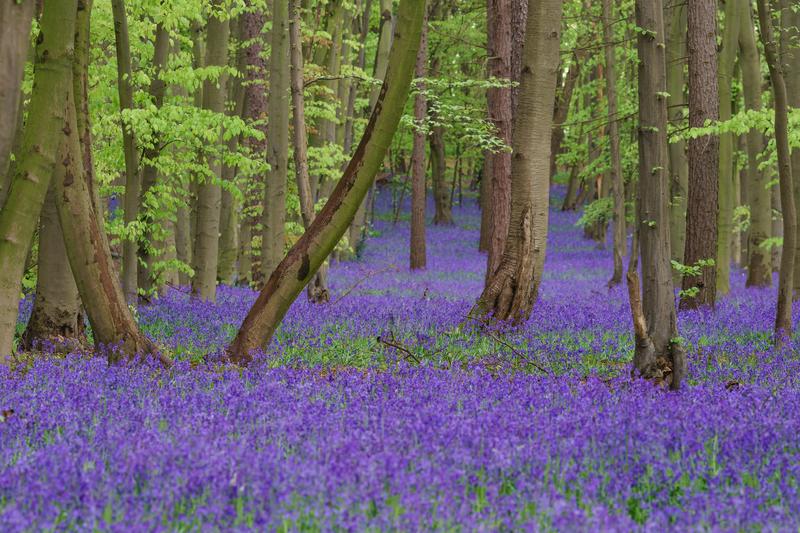
Quick facts
- Watering
- Minimal once established
- Sunlight
- Partial shade to full shade
- Soil
- Moist, humus-rich, well-drained
- Humans
- Toxic
- Cats
- Toxic
- Dogs
- Toxic
- Height
- 20–50 cm
- Spread
- 8–15 cm
- Spacing
- 10–15 cm apart
About Bluebell
The native English bluebell is a beloved spring bulb producing nodding, violet-blue bell-shaped flowers on arching stems above strap-like leaves. Endemic to the British Isles and western Europe, it carpets ancient woodlands with spectacular displays from April to May. UK gardeners cherish bluebells for naturalising in shady borders, woodland gardens, and beneath deciduous trees, where they create quintessentially British spring scenes. Their sweet scent and ability to thrive in dappled shade make them indispensable for wildlife-friendly gardens.
UK fact: English bluebells are protected under the Wildlife and Countryside Act 1981, making it illegal to dig up bulbs from the wild, and they're considered an indicator species of ancient woodland in Britain.
Watering Bluebell
Water newly planted bulbs if autumn is particularly dry, but established clumps rarely need supplementary watering in the UK climate. The bulbs are dormant through summer and autumn, requiring no irrigation during dry spells. Spring rainfall is typically sufficient for active growth and flowering. Avoid waterlogging, which can cause bulb rot, particularly in heavy clay soils.
Sunlight requirements
Plant in partial to full shade, ideally beneath deciduous trees that allow spring sunlight through before leafing out. North-facing borders and shaded woodland gardens are perfect. Avoid hot, sunny positions which can scorch foliage and reduce flowering; bluebells naturally grow on woodland floors where they receive filtered light during their active growing season.
Soil and feeding
Grow in humus-rich, moisture-retentive but well-drained soil with plenty of organic matter. They tolerate a wide pH range but prefer slightly acidic to neutral conditions (pH 5.5-7.0). Heavy clay soils benefit from added grit and compost to improve drainage, whilst sandy soils need generous leaf mould or well-rotted compost to retain moisture. Mulch annually with leaf mould to replicate natural woodland conditions and suppress weeds.
Apply a thin layer of leaf mould or well-rotted compost in autumn to enrich the soil naturally. Avoid high-nitrogen fertilisers which promote excessive foliage at the expense of flowers. If growing in very poor soil, a light application of bone meal when planting bulbs provides slow-release phosphorus for root development.
Pruning Bluebell
Deadhead spent flowers if you wish to prevent self-seeding, though many gardeners allow bluebells to naturalise freely. Leave foliage intact until it yellows and withers completely, typically by late June or July; this photosynthesis period is essential for building up bulb reserves for next year's display. Resist the temptation to tidy away green leaves or tie them in knots, as this reduces the plant's ability to store energy. Once fully brown, foliage can be removed or left to decompose naturally.
Propagating Bluebell
The easiest method is to allow established clumps to self-seed and naturalise, creating expanding drifts over several years. Alternatively, lift and divide congested clumps immediately after flowering whilst foliage is still green, replanting divisions at the same depth. Seed propagation is slow, taking 4-5 years to reach flowering size, but sow fresh seed in autumn in pots of gritty compost and leave outdoors to experience natural cold stratification. Purchase bulbs 'in the green' (with leaves attached) in spring for best establishment, or plant dry bulbs in autumn.
Common problems
Bluebells are generally trouble-free but can suffer from rust fungus, which causes orange pustules on leaves; remove affected foliage promptly. Bulb rot may occur in waterlogged soil, so ensure adequate drainage. Slugs and snails occasionally damage emerging shoots in spring; use organic controls if necessary. The main concern for UK gardeners is hybridisation with the invasive Spanish bluebell (Hyacinthoides hispanica), which threatens native populations; always purchase from reputable suppliers guaranteeing true Hyacinthoides non-scripta stock.
Spot a problem with your plant? Photograph the affected area using the Loam app and it will suggest the most likely cause and treatment.
Safety
- Humans
-
Toxic
All parts are toxic if ingested, containing glycosides that can cause nausea, vomiting, and diarrhoea. Sap may irritate skin in sensitive individuals.
- Cats
-
Toxic
Toxic if ingested, causing vomiting, diarrhoea, and abdominal pain. Seek veterinary advice if consumption suspected.
- Dogs
-
Toxic
Toxic if ingested, causing vomiting, diarrhoea, and lethargy. Contact a vet immediately if your dog consumes any part of the plant.
Toxicity information is for general guidance only. If a person or pet has been exposed to this plant and you are concerned, seek advice from a medical professional or vet.
Seasonal care calendar
Monthly care guide for Bluebell in the UK, based on average conditions.
| Month | Care tasks |
|---|---|
| January | Bulbs dormant underground. No action needed. |
| February | First shoots may emerge in mild areas. Mulch with leaf mould if not done in autumn. |
| March | Foliage emerges strongly. Keep area weed-free without disturbing bulbs. |
| April | Peak flowering period. Enjoy the display and note areas for expansion. |
| May | Flowering continues into early May. Deadhead if preventing self-seeding. Begin division of congested clumps. |
| June | Allow foliage to yellow and die back naturally. Complete any division work early in the month. |
| July | Foliage fully died back. Remove brown leaves if desired. Bulbs entering dormancy. |
| August | Bulbs dormant. Plan new planting areas for autumn. |
| September | Plant dry bulbs 10-15 cm deep in prepared sites. Water if weather is dry. |
| October | Continue planting dry bulbs. Apply leaf mould mulch to established areas. |
| November | Final opportunity to plant dry bulbs. Ensure good drainage before winter rains. |
| December | Bulbs dormant. No action needed. |
Frequently asked questions
- When should I cut back bluebell foliage after flowering?
- Never cut back bluebell foliage until it has completely yellowed and died back naturally, usually by late June or July. The leaves are essential for photosynthesis after flowering, allowing bulbs to store energy for next year's display. Cutting back too early is the most common reason bluebells fail to flower the following spring. Leave foliage for at least 6 weeks after flowering finishes, even if it looks untidy.
- Why are my bluebell leaves turning yellow in spring?
- Yellowing bluebell leaves in spring can indicate several issues: waterlogged soil (bluebells need good drainage), nutrient deficiency in poor soil, or pest damage from bulb flies or narcissus bulb fly larvae. If leaves yellow before flowering or very early in the season, this isn't normal dieback. The Loam app can help diagnose the specific problem through photos and provide personalised care advice based on your soil conditions and garden environment.
- What soil conditions do bluebells prefer?
- Bluebells thrive in moist but well-drained soil that's slightly acidic to neutral (pH 5.5-7.0). They prefer humus-rich conditions similar to woodland floors, with plenty of organic matter. While they tolerate a range of soils, they perform best in loamy or sandy soils and struggle in heavy clay that becomes waterlogged. Add leaf mould or well-rotted compost when planting to improve soil structure and moisture retention without causing waterlogging.
Got a question about growing Bluebell that isn't covered here? Ask the Garden Advisor in the Loam app. It knows your saved plants and local conditions.
Related plants
This page was compiled with AI assistance and reviewed by our team. .