Wood Anemone
Anemone nemorosa
Wildflowers and Natives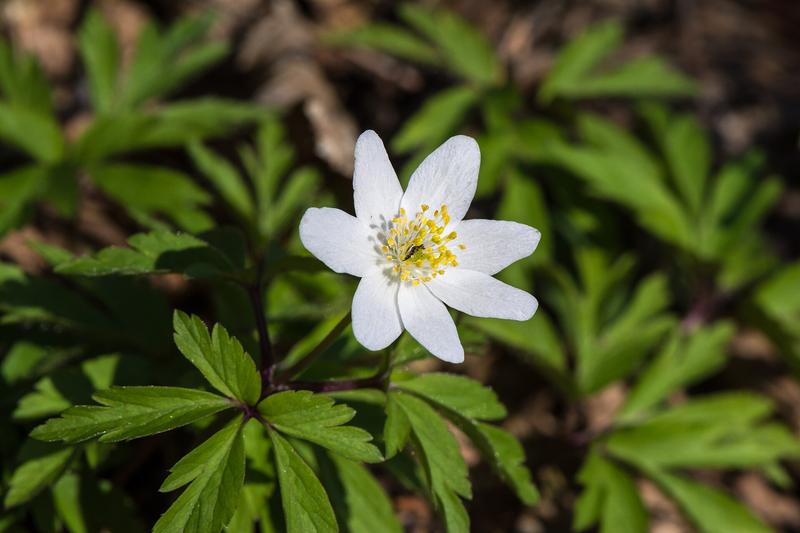
Quick facts
- Watering
- Minimal once established
- Sunlight
- Partial to full shade
- Soil
- Humus-rich, moisture-retentive, well-drained
- Humans
- Toxic
- Cats
- Toxic
- Dogs
- Toxic
- Height
- 10–15 cm
- Spread
- 30–60 cm
- Spacing
- 10–15 cm apart
- RHS recognition
- Award of Garden Merit
About Wood Anemone
Wood anemone is a delicate British native wildflower that carpets ancient woodlands with starry white flowers in early spring. Growing from creeping rhizomes, it produces deeply divided leaves and nodding blooms that close at night and in dull weather. UK gardeners prize it for naturalising beneath deciduous trees and shrubs, where it creates enchanting drifts before dying back by midsummer. This charming woodland perennial is an indicator species of ancient woodland and brings a touch of wild beauty to shaded gardens.
UK fact: Wood anemone is one of the most reliable indicators of ancient woodland in Britain, with colonies spreading very slowly at just 6 feet per century, meaning established patches may be hundreds of years old.
Watering Wood Anemone
Water newly planted rhizomes regularly during their first spring to help establishment, keeping the soil consistently moist but not waterlogged. Once established, wood anemones are remarkably drought-tolerant during their summer dormancy and require no supplementary watering in most UK gardens. In exceptionally dry springs, water lightly if the soil becomes dusty, but avoid overwatering as this can cause rhizome rot. The plant's natural dormancy from June onwards means it requires no summer irrigation.
Sunlight requirements
Wood anemone thrives in dappled shade beneath deciduous trees, mimicking its natural woodland habitat. It tolerates full shade but flowers more prolifically with some spring sunlight before the tree canopy fills out. Avoid planting in full sun or south-facing borders, as the delicate foliage will scorch and the plant will struggle in hot, dry conditions.
Soil and feeding
Wood anemone prefers fertile, humus-rich soil that mimics woodland conditions, ideally enriched with leaf mould or well-rotted compost. The soil should be moisture-retentive during the spring growing season but well-drained to prevent waterlogging during winter dormancy. It thrives in neutral to slightly alkaline soil (pH 6.5-7.5) and will struggle in heavy clay unless improved with organic matter. A mulch of leaf mould applied in autumn replicates the natural woodland floor and provides ideal growing conditions.
Wood anemone requires minimal feeding and thrives on an annual autumn mulch of leaf mould or well-rotted compost, which provides gentle nutrition whilst improving soil structure. Avoid high-nitrogen fertilisers, which encourage lush foliage at the expense of flowers and can disrupt the plant's natural growth cycle. Established colonies in humus-rich soil need no additional feeding.
Pruning Wood Anemone
No pruning is required for wood anemone. Allow the foliage to die back naturally after flowering, typically by June or July, as this allows the rhizomes to store energy for the following year. Resist the temptation to tidy away yellowing leaves prematurely, as this weakens the plant. Once fully dormant, the dead foliage can be gently removed if desired, though it will decompose naturally and enrich the soil.
Propagating Wood Anemone
Wood anemone is most easily propagated by division of the rhizomes immediately after flowering in late spring, whilst the foliage is still green and the rhizomes are easy to locate. Lift clumps carefully with a fork, separate individual rhizomes, and replant immediately at the same depth (about 5cm) in prepared soil. Division not only creates new plants but also rejuvenates congested clumps that have stopped flowering well. Growing from seed is possible but very slow, requiring patience as seedlings may take 3-4 years to flower.
Common problems
Wood anemone is largely trouble-free and suffers from few pests or diseases in UK gardens. Slugs and snails may occasionally nibble emerging shoots in early spring, though damage is rarely severe enough to warrant intervention. The plant can fail to thrive if planted in unsuitable conditions, particularly full sun, dry soil, or heavy clay, resulting in poor flowering or gradual decline. Rhizomes may rot if the soil becomes waterlogged during the dormant summer period, so ensure adequate drainage when planting.
Spot a problem with your plant? Photograph the affected area using the Loam app and it will suggest the most likely cause and treatment.
Safety
- Humans
-
Toxic
All parts of wood anemone contain protoanemonin, which can cause skin irritation and is toxic if ingested, causing nausea and gastric upset. Wear gloves when handling rhizomes.
- Cats
-
Toxic
Toxic if ingested, causing oral irritation, drooling, vomiting and diarrhoea. Keep cats away from the plant.
- Dogs
-
Toxic
Toxic if ingested, causing oral irritation, excessive drooling, vomiting and diarrhoea. Prevent dogs from eating the plant.
Toxicity information is for general guidance only. If a person or pet has been exposed to this plant and you are concerned, seek advice from a medical professional or vet.
Seasonal care calendar
Monthly care guide for Wood Anemone in the UK, based on average conditions.
| Month | Care tasks |
|---|---|
| January | Plant bare rhizomes if soil conditions allow and ground is not frozen. |
| February | Watch for emerging shoots pushing through leaf litter. Plant rhizomes before growth begins. |
| March | Enjoy the first flowers opening. Water newly planted rhizomes if conditions are dry. |
| April | Peak flowering period. Deadhead spent blooms if desired, though not essential. |
| May | Divide congested clumps immediately after flowering whilst foliage is still green. |
| June | Allow foliage to die back naturally. Plant begins summer dormancy. |
| July | Plant fully dormant. Remove dead foliage if desired or leave to decompose naturally. |
| August | No action needed during dormancy. |
| September | No action needed during dormancy. |
| October | Apply leaf mould mulch around dormant rhizomes to enrich soil. |
| November | Plant bare rhizomes in prepared woodland-style borders. |
| December | Plant rhizomes if soil is workable and not waterlogged. |
Frequently asked questions
- Why is my wood anemone not flowering?
- Wood anemone typically fails to flower due to too much shade, dry soil during spring, or overcrowded rhizomes that need dividing. It may also take 2-3 years after planting to establish and flower well. Ensure the plant receives dappled spring sunlight before the tree canopy fills out, keep soil moist during the growing season, and divide congested clumps after flowering in May.
- When should I divide wood anemone and how do I know if it needs it?
- Divide wood anemone immediately after flowering in late April or May, whilst the foliage is still green and you can locate the rhizomes easily. Signs that division is needed include reduced flowering, congested clumps, or bare patches in the centre of established colonies. The Loam app can send you timely reminders for division and help you track your plant's flowering performance year on year.
- Can wood anemone grow under evergreen trees?
- Wood anemone struggles under evergreen trees as it needs spring sunlight before deciduous canopies leaf out, and evergreens create year-round dense shade and dry soil. It thrives beneath deciduous trees like oak, beech, or hazel, which allow sufficient light and moisture in early spring when the anemone is actively growing. Plant it under deciduous species for best results.
Got a question about growing Wood Anemone that isn't covered here? Ask the Garden Advisor in the Loam app. It knows your saved plants and local conditions.
Related plants
This page was compiled with AI assistance and reviewed by our team. .