Pulmonaria
Pulmonaria officinalis
Perennials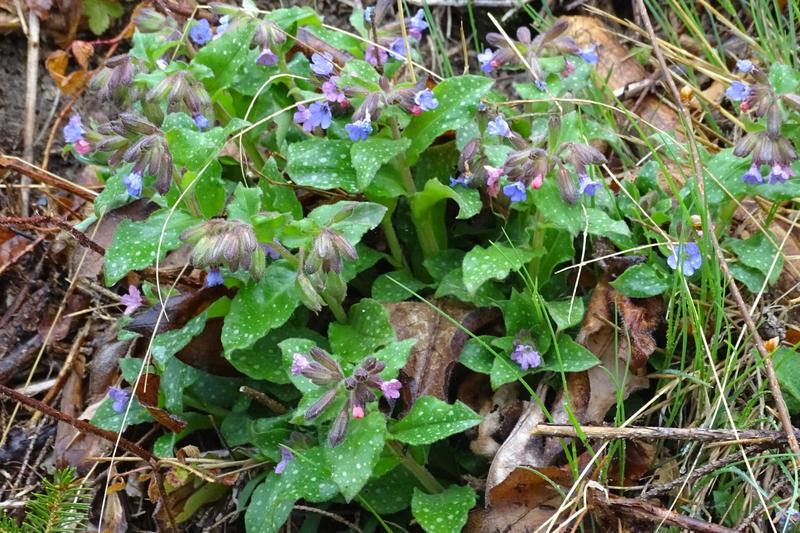
Quick facts
- Watering
- Weekly during dry spells
- Sunlight
- Partial shade to full shade
- Soil
- Moist, humus-rich, well-drained
- Humans
- Safe
- Cats
- Safe
- Dogs
- Safe
- Height
- 25–35 cm
- Spread
- 45–60 cm
- Spacing
- 40–50 cm apart
- RHS recognition
- Award of Garden Merit
About Pulmonaria
Pulmonaria is a charming spring-flowering perennial native to Europe, prized for its spotted, silver-splashed foliage and clusters of pink-to-blue tubular flowers. This low-growing ground cover thrives in shady borders and woodland gardens, making it ideal for brightening darker corners of UK gardens. British gardeners value pulmonaria for its early nectar-rich blooms that attract bees and its attractive foliage that persists through summer. The plant's tolerance of heavy clay soils and damp conditions makes it particularly well-suited to typical British garden conditions.
UK fact: Pulmonaria officinalis holds the RHS Award of Garden Merit and has been grown in British cottage gardens since medieval times, when it was cultivated as a medicinal herb based on the 'doctrine of signatures': its spotted leaves were thought to resemble diseased lungs.
Watering Pulmonaria
Water regularly during establishment and throughout dry periods, particularly in spring and early summer when the plant is actively growing. Pulmonaria prefers consistently moist conditions and will flag in prolonged drought, though established plants show reasonable tolerance once roots are deep. In typical British summers, rainfall is usually sufficient, but water weekly during dry spells to prevent leaf scorch and maintain the attractive foliage. Mulching helps retain moisture in free-draining soils.
Sunlight requirements
Plant in partial to full shade beneath deciduous trees or on north-facing borders where it receives dappled light. In the cooler, damper regions of Scotland and northern England, pulmonaria tolerates more sun if soil remains consistently moist. Avoid hot, south-facing positions which can scorch the foliage, particularly during dry spells.
Soil and feeding
Pulmonaria performs best in humus-rich, moisture-retentive soil with good drainage, though it tolerates heavy clay soils common throughout the UK. Incorporate well-rotted compost or leaf mould before planting to improve soil structure and moisture retention. The plant prefers neutral to slightly alkaline conditions (pH 6.5-7.5) but adapts to a range of soil types. Avoid very dry, sandy soils unless you can commit to regular watering and mulching.
Feed with a general-purpose balanced fertiliser in early spring as new growth emerges, or top-dress with a 5cm layer of well-rotted compost or leaf mould. This spring feed supports the flush of flowers and encourages healthy foliage development. Avoid high-nitrogen feeds which promote leaf growth at the expense of flowers and can make plants more susceptible to powdery mildew.
Pruning Pulmonaria
Deadhead spent flower stems in late spring to tidy the plant and prevent self-seeding if not desired. After flowering, older leaves often become mildewed or tatty; cut back hard to ground level in June to encourage a fresh flush of attractive foliage that will last through autumn. This rejuvenation pruning is particularly important in dry seasons when mildew is prevalent. Remove any damaged or diseased leaves throughout the growing season to maintain plant health.
Propagating Pulmonaria
Division is the easiest and most reliable method, carried out immediately after flowering in May or June, or in early autumn. Lift established clumps carefully with a fork, tease apart into sections ensuring each has roots and growing points, then replant immediately at the same depth. Pulmonaria can also be grown from seed sown fresh in summer, though seedlings may not come true to type and take two to three years to flower. Root cuttings taken in winter offer another option for experienced gardeners.
Common problems
Powdery mildew is the most common problem, particularly in dry conditions or where air circulation is poor, causing white powdery coating on leaves. Slugs and snails can damage young foliage in spring, especially in damp, shady positions. Vine weevil larvae occasionally attack roots, causing plants to wilt and collapse. Leaf scorch occurs in hot, sunny positions or during drought, manifesting as brown, crispy leaf edges; this is cultural rather than disease-related and remedied by improving growing conditions.
Spot a problem with your plant? Photograph the affected area using the Loam app and it will suggest the most likely cause and treatment.
Safety
- Humans
- Safe
- Cats
- Safe
- Dogs
- Safe
Toxicity information is for general guidance only.
Seasonal care calendar
Monthly care guide for Pulmonaria in the UK, based on average conditions.
| Month | Care tasks |
|---|---|
| January | No action needed. Plants are dormant with foliage dying back in cold weather. |
| February | Clear away any remaining dead foliage. Apply a mulch of compost around plants as new growth begins to emerge. |
| March | Feed with balanced fertiliser as flower buds develop. Watch for slug damage on emerging foliage and protect if necessary. |
| April | Enjoy the main flowering display. Water during dry spells to support blooms and developing foliage. |
| May | Deadhead faded flowers. Late May is ideal for division if plants have become congested or you wish to propagate. |
| June | Cut back tatty or mildewed foliage hard to ground level to encourage fresh new leaves. Continue watering in dry weather. |
| July | Water regularly during dry spells. Fresh foliage should be developing if plants were cut back in June. |
| August | Maintain watering during prolonged dry periods. Remove any mildewed leaves to prevent spread. |
| September | Early autumn is a good time for division if not done in spring. Plant new divisions while soil is still warm. |
| October | Foliage remains attractive through autumn. Clear fallen leaves from neighbouring plants to prevent smothering. |
| November | Leave foliage in place to protect crowns over winter. Tidy borders around plants but avoid disturbing roots. |
| December | No action needed. Plants are entering dormancy as temperatures drop. |
Frequently asked questions
- When should I cut back pulmonaria?
- Cut back pulmonaria to ground level in June after flowering, especially if foliage becomes mildewed or tatty. This encourages fresh, attractive leaves for the rest of the season. You can also tidy plants in autumn by removing dead foliage. Regular cutting back maintains healthy growth and improves appearance throughout the year.
- Why are my pulmonaria leaves turning yellow?
- Yellowing leaves can indicate several issues: drought stress, waterlogging, nutrient deficiency, or natural ageing of older foliage. Check soil moisture levels and ensure consistent watering without waterlogging. If you're unsure of the cause, the Loam app can help diagnose the problem through photos and provide personalised care advice based on your specific growing conditions.
- Can I grow pulmonaria from seed?
- Yes, pulmonaria can be grown from seed, though division is easier and faster. Sow fresh seed in autumn in pots outdoors, as it needs cold stratification to germinate. Seedlings may take 2-3 years to flower and won't come true to type if from named varieties. For identical plants, division in late spring or early autumn is the most reliable propagation method.
Got a question about growing Pulmonaria that isn't covered here? Ask the Garden Advisor in the Loam app. It knows your saved plants and local conditions.
Related plants
This page was compiled with AI assistance and reviewed by our team. .