Primrose
Primula vulgaris
Perennials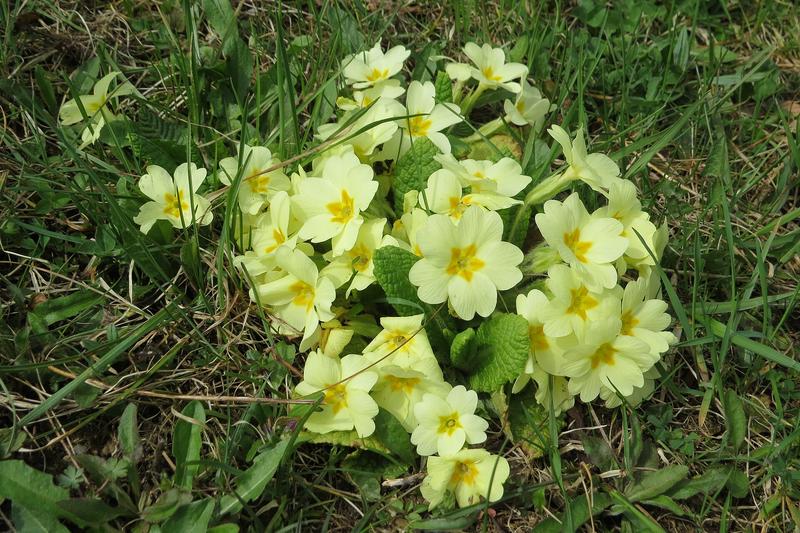
Quick facts
- Watering
- Weekly during dry spells
- Sunlight
- Partial shade
- Soil
- Moist, humus-rich, well-drained
- Humans
- Toxic
- Cats
- Toxic
- Dogs
- Toxic
- Height
- 10–15 cm
- Spread
- 20–35 cm
- Spacing
- 15–20 cm apart
About Primrose
Primrose is a beloved British native perennial renowned for its cheerful pale yellow flowers that herald the arrival of spring. Growing in rosettes of crinkled, tongue-shaped leaves, this woodland plant thrives in the dappled shade of hedgerows, banks, and woodland edges throughout the UK. British gardeners treasure primroses for their early nectar-rich blooms that support pollinators emerging from winter, and for their ability to naturalise in grass and under deciduous trees. Their delicate beauty and cultural significance make them an essential component of cottage gardens and wildlife-friendly planting schemes.
UK fact: Primroses have been celebrated in British folklore for centuries and were traditionally used on Primrose Day (19th April) to commemorate Benjamin Disraeli, whose favourite flower they were said to be.
Watering Primrose
Keep soil consistently moist but never waterlogged, particularly during the growing season from autumn through to late spring. In the UK, natural rainfall usually suffices, but water weekly during dry spells in spring when plants are flowering and establishing. Primroses are shallow-rooted and can suffer in drought, so mulching helps retain moisture. Reduce watering after flowering finishes in late spring, though never allow the soil to dry out completely during summer dormancy.
Sunlight requirements
Primroses perform best in partial shade, mimicking their natural woodland habitat beneath deciduous trees. In the UK, they tolerate morning sun but appreciate protection from hot afternoon rays, particularly in southern counties. North-facing borders or positions under the dappled canopy of shrubs provide ideal conditions for vigorous growth and prolonged flowering.
Soil and feeding
Primroses thrive in moisture-retentive soil enriched with organic matter such as leaf mould or well-rotted compost. They prefer a slightly acidic to neutral pH of 6.0-7.0, though they tolerate a range of soil types provided drainage is adequate. Heavy clay soils benefit from the addition of grit and organic matter to improve structure, whilst sandy soils require generous amounts of compost to retain moisture. Avoid planting in waterlogged conditions, which can lead to root rot.
Apply a light dressing of well-rotted compost or leaf mould around plants in autumn to replenish nutrients and improve soil structure. A balanced liquid feed applied once in early spring as flower buds develop will support vigorous blooming, though primroses are not heavy feeders and excessive fertiliser can promote lush foliage at the expense of flowers.
Pruning Primrose
Deadhead spent flowers regularly throughout the blooming period to encourage further flushes and prevent self-seeding if not desired, though allowing some seed production supports naturalisation. Remove any yellowing or damaged leaves in late spring after flowering to maintain plant health and appearance. In autumn, clear away old foliage to reduce the risk of fungal diseases overwintering. Division every 3-4 years after flowering rejuvenates congested clumps and maintains vigour.
Propagating Primrose
Primroses are easily propagated by division immediately after flowering in late spring, lifting clumps and separating individual rosettes with roots attached before replanting. They also self-seed readily in favourable conditions, with seedlings appearing around parent plants that can be transplanted when large enough to handle. Seed can be collected when ripe in early summer and sown fresh in pots of moist compost, kept cool and shaded until germination occurs. Root cuttings taken in winter offer another method, though division remains the simplest and most reliable technique for UK gardeners.
Common problems
Primroses can suffer from vine weevil, whose larvae feed on roots causing plants to wilt and collapse; check for notched leaf edges indicating adult feeding and treat with biological controls. Slugs and snails are particularly troublesome in spring, devouring emerging flowers and young foliage, so use organic pellets or barriers. Fungal diseases including grey mould (botrytis) and leaf spot can occur in overcrowded or poorly ventilated conditions, especially during damp UK springs; improve air circulation and remove affected leaves promptly. Aphids may colonise flower stems and buds, causing distortion, and can be controlled with insecticidal soap or by encouraging natural predators.
Spot a problem with your plant? Photograph the affected area using the Loam app and it will suggest the most likely cause and treatment.
Safety
- Humans
-
Toxic
All parts contain primin and other compounds that can cause contact dermatitis in sensitive individuals. Ingestion may cause mild stomach upset.
- Cats
-
Toxic
Contains irritant compounds that can cause vomiting and gastrointestinal upset if ingested.
- Dogs
-
Toxic
Contains irritant compounds that can cause vomiting and gastrointestinal upset if ingested.
Toxicity information is for general guidance only. If a person or pet has been exposed to this plant and you are concerned, seek advice from a medical professional or vet.
Seasonal care calendar
Monthly care guide for Primrose in the UK, based on average conditions.
| Month | Care tasks |
|---|---|
| January | Check plants for frost heave and firm back into soil if lifted. Clear away any debris around crowns. |
| February | First flowers may appear in mild areas. Apply slug controls as new growth emerges. |
| March | Peak flowering begins. Deadhead spent blooms regularly and apply liquid feed to support flowering. |
| April | Continue deadheading. Water during dry spells to prolong flowering period. |
| May | Flowering finishes. Divide congested clumps immediately after flowering for best results. |
| June | Collect ripe seed if desired and sow fresh. Ensure soil remains moist during dry weather. |
| July | Plants enter semi-dormancy. Water during prolonged dry spells to prevent stress. |
| August | Maintain moisture levels. Remove any yellowing foliage to improve air circulation. |
| September | New growth begins. Apply mulch of leaf mould or compost around plants. |
| October | Plant new specimens or transplant self-sown seedlings. Prepare planting sites with organic matter. |
| November | Clear fallen leaves from crowns to prevent rotting. Check for vine weevil damage. |
| December | Protect from excessive winter wet in containers by moving to sheltered spots. Otherwise, no action needed. |
Frequently asked questions
- When do primroses flower in the UK?
- Primroses typically flower from February through to May in the UK, with peak blooming in March and April. In mild winters, flowers may appear as early as late January in southern regions, whilst northern areas may see flowering begin in March. Deadheading and adequate moisture can extend the flowering period into late spring.
- Why are my primrose leaves turning yellow?
- Yellowing leaves can indicate several issues including overwatering, underwatering, vine weevil damage, or natural senescence after flowering. The Loam app can help you diagnose the specific cause by analysing your watering schedule, local weather conditions, and photos of affected plants, then provide tailored care adjustments.
- Can primroses be grown in pots?
- Yes, primroses grow well in containers provided they're kept consistently moist and positioned in partial shade. Use a peat-free, moisture-retentive compost and ensure pots have drainage holes. Container-grown primroses may need more frequent watering than those in the ground, particularly during spring flowering, and benefit from repotting every couple of years.
Got a question about growing Primrose that isn't covered here? Ask the Garden Advisor in the Loam app. It knows your saved plants and local conditions.
Related plants
This page was compiled with AI assistance and reviewed by our team. .