Cowslip
Primula veris
Wildflowers and Natives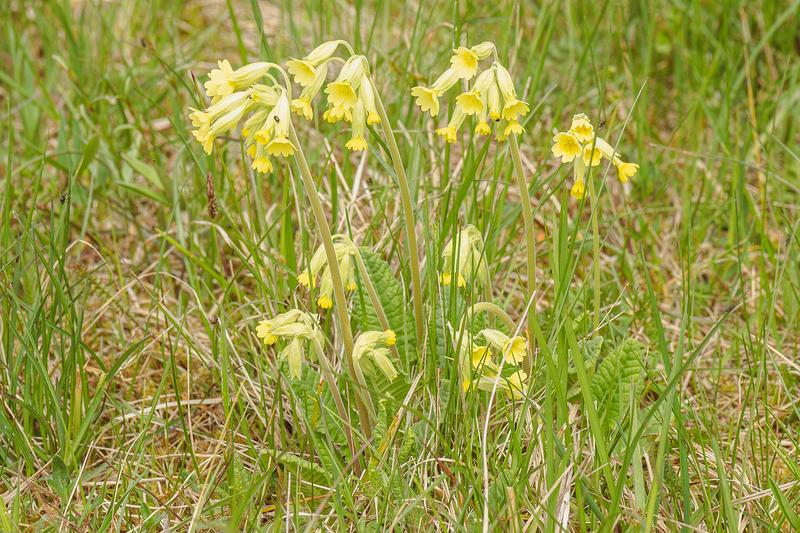
Quick facts
- Watering
- Minimal once established
- Sunlight
- Full sun to partial shade
- Soil
- Well-drained, alkaline to neutral
- Humans
- Safe
- Cats
- Safe
- Dogs
- Safe
- Height
- 15–25 cm
- Spread
- 15–25 cm
- Spacing
- 20–30 cm apart
- RHS recognition
- Award of Garden Merit
About Cowslip
Cowslip is a charming native British wildflower producing clusters of nodding, fragrant yellow flowers in spring. Once common in meadows and grasslands across the UK, this perennial has become less widespread due to habitat loss, making it a valuable addition to wildlife gardens. British gardeners cherish cowslips for their early nectar-rich blooms that attract bees and butterflies, and their ability to naturalise in grass. The wrinkled, primrose-like leaves form attractive rosettes that remain semi-evergreen through mild winters.
UK fact: Cowslips were once so abundant in British meadows that the flowers were gathered to make traditional cowslip wine and 'tisty-tosty' balls for children's games, but agricultural intensification has made them a priority species in UK wildflower conservation schemes.
Watering Cowslip
Cowslips are drought-tolerant once established and rarely need watering in the UK's natural rainfall. Water newly planted specimens during dry spells in their first spring and summer to help roots establish. In containers, water moderately during the growing season, allowing the compost to dry slightly between waterings. Avoid waterlogging, which can cause root rot, particularly in winter.
Sunlight requirements
Cowslips thrive in full sun in northern Britain and Scotland, but appreciate light afternoon shade in warmer southern counties. They perform best in open positions that mimic their natural meadow habitat, though they'll tolerate dappled shade under deciduous trees. Avoid deep shade, which reduces flowering and encourages leggy growth.
Soil and feeding
Cowslips prefer well-drained, chalky or limestone soils with a pH of 6.5-8.0, reflecting their natural habitat on calcareous grasslands. They'll tolerate neutral to slightly acidic conditions but may struggle in very acidic soils. Good drainage is essential, especially in winter, so improve heavy clay with grit or grow in raised beds. Moderately fertile soil is ideal; overly rich conditions produce lush foliage at the expense of flowers.
Cowslips require minimal feeding and thrive in relatively poor soils. A light application of general-purpose fertiliser in early spring can benefit container-grown plants, but avoid feeding those naturalised in grass or meadows. Excessive nutrients encourage vigorous leaf growth and reduce flowering, and can allow competitive grasses to overwhelm these delicate wildflowers.
Pruning Cowslip
Deadhead spent flower stems after blooming if you wish to prevent self-seeding, though allowing seed to set encourages naturalisation and provides food for birds. Cut back any tatty or yellowing foliage in late autumn to maintain a tidy appearance, but leave the semi-evergreen rosettes intact. In meadow or grassland settings, delay mowing until late June or July to allow seeds to ripen and disperse naturally.
Propagating Cowslip
Cowslips are easily grown from seed sown in late summer or autumn, as they require a period of cold stratification to germinate reliably. Sow fresh seed in pots or trays outdoors, barely covering with compost, and leave exposed to winter weather; germination occurs in spring. Established clumps can be divided immediately after flowering in late spring, replanting divisions promptly and watering well. Self-sown seedlings often appear around parent plants and can be transplanted when small.
Common problems
Cowslips are generally trouble-free but can suffer from vine weevil, particularly in containers, with larvae eating roots and adults notching leaf edges. Slugs and snails may damage young foliage in spring, especially in damp conditions. Fungal leaf spots occasionally occur in overcrowded or poorly ventilated plantings but rarely cause serious harm. The main cultural problem is planting in overly rich or waterlogged soil, which leads to poor flowering and increased susceptibility to root rot.
Spot a problem with your plant? Photograph the affected area using the Loam app and it will suggest the most likely cause and treatment.
Safety
- Humans
- Safe
- Cats
- Safe
- Dogs
- Safe
Toxicity information is for general guidance only.
Seasonal care calendar
Monthly care guide for Cowslip in the UK, based on average conditions.
| Month | Care tasks |
|---|---|
| January | No action needed; rosettes remain semi-evergreen through winter. |
| February | Check for slug damage on emerging foliage and apply organic controls if needed. |
| March | Apply light feed to container plants; watch for first flower buds forming. |
| April | Enjoy peak flowering period; water new plantings during dry spells. |
| May | Deadhead spent blooms or leave to set seed for naturalising; divide established clumps if needed. |
| June | Allow seed heads to ripen if encouraging self-seeding; delay mowing meadow areas. |
| July | Collect ripe seed for sowing; meadow areas can now be cut. |
| August | Sow fresh seed in pots outdoors for cold stratification over winter. |
| September | Continue sowing seed; plant out pot-grown specimens into final positions. |
| October | Tidy any yellowing foliage but leave rosettes intact; mulch lightly around plants. |
| November | Protect container-grown plants from excessive winter wet by moving under eaves. |
| December | No action needed; plants are fully dormant or semi-evergreen. |
Frequently asked questions
- When do cowslips flower in the UK?
- Cowslips typically flower from April to May in the UK, with peak blooming in mid to late April. In mild southern regions, flowering may begin in late March, while in northern Scotland it can extend into early June. The exact timing varies with local weather conditions and spring temperatures.
- Why are my cowslips not flowering well?
- Poor flowering is usually caused by too much shade, overly rich soil, or competition from vigorous grasses. The Loam app can help you diagnose the specific issue based on your growing conditions and provide personalised advice to improve blooming, including soil testing recommendations and optimal positioning guidance.
- Can I grow cowslips in a wildflower meadow?
- Yes, cowslips are excellent for wildflower meadows and naturalise beautifully in grass on well-drained, alkaline to neutral soils. Establish them by plug planting in autumn or spring, and delay mowing until late June or July to allow seeds to set. They combine well with other native meadow species like oxeye daisy and field scabious.
Got a question about growing Cowslip that isn't covered here? Ask the Garden Advisor in the Loam app. It knows your saved plants and local conditions.
Related plants
This page was compiled with AI assistance and reviewed by our team. .