Viola
Viola cornuta
Annuals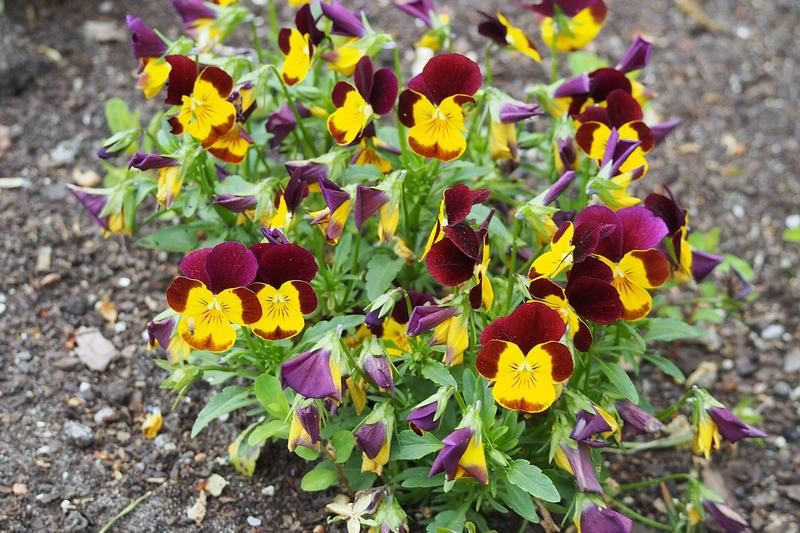
Quick facts
- Watering
- Twice weekly during active growth
- Sunlight
- Full sun to partial shade
- Soil
- Moist, well-drained, fertile soil
- Humans
- Safe
- Cats
- Safe
- Dogs
- Safe
- Height
- 15–25 cm
- Spread
- 20–30 cm
- Spacing
- 20–25 cm apart
- RHS recognition
- Award of Garden Merit
About Viola
Viola cornuta, commonly known as viola or horned pansy, is a charming perennial often grown as an annual in UK gardens, producing masses of delicate, five-petalled flowers in shades of purple, blue, yellow, and white from spring through autumn. Native to the Pyrenees, this compact plant has been a cottage garden favourite in Britain since Victorian times, valued for its long flowering season and ability to brighten borders, containers, and window boxes. UK gardeners particularly appreciate violas for their cold tolerance and cheerful blooms that continue even through mild winters in sheltered locations. Their neat, mounding habit and prolific flowering make them ideal for edging, bedding schemes, and filling gaps in mixed plantings.
UK fact: Many Viola cornuta cultivars hold the RHS Award of Garden Merit, and they have been a staple of British spring bedding displays since the 19th century, often planted alongside primroses and forget-me-nots in traditional cottage garden schemes.
Watering Viola
Violas require regular watering to maintain consistent soil moisture, particularly during establishment and flowering periods from spring through autumn. Water twice weekly during active growth, increasing to daily watering for container-grown plants during warm, dry weather. In the UK's typically moist climate, established garden plants may need little supplementary watering except during prolonged dry spells, but avoid letting the soil dry out completely as this reduces flowering. Reduce watering in winter when plants are semi-dormant, ensuring good drainage to prevent root rot during wet periods.
Sunlight requirements
In the UK, violas perform best in full sun to partial shade, with at least 4-6 hours of sunlight daily for optimal flowering. In cooler northern regions, full sun is ideal, whilst in warmer southern counties, light afternoon shade helps prevent heat stress and extends the flowering period. East or west-facing positions work particularly well, and violas will tolerate north-facing spots if they receive reasonable light.
Soil and feeding
Grow violas in fertile, humus-rich soil that retains moisture whilst draining freely, as waterlogged conditions lead to root rot and fungal diseases. They thrive in neutral to slightly acidic soil with a pH of 6.0-7.0, typical of many UK gardens. Before planting, incorporate well-rotted compost or leaf mould to improve soil structure and fertility. For container growing, use a good-quality multipurpose compost mixed with a handful of grit for drainage, and ensure pots have adequate drainage holes.
Apply a balanced liquid fertiliser every two weeks from spring through autumn to support the long flowering period and maintain vigorous growth. A tomato feed or general-purpose fertiliser diluted to half strength works well for container-grown violas. Garden plants benefit from a light top-dressing of blood, fish and bone in early spring, with occasional liquid feeds during peak flowering in summer.
Pruning Viola
Regular deadheading is essential for violas, removing faded flowers every few days to prevent seed formation and encourage continuous blooming from spring through autumn. In midsummer, particularly after the first flush of flowers, trim plants back by about one-third to remove leggy stems and promote bushy, compact growth with renewed flowering. Cut back any yellowing or damaged foliage throughout the season. In autumn, tidy plants by removing dead leaves and spent stems, though in mild areas violas may continue flowering through winter if lightly pruned.
Propagating Viola
Violas are easily propagated from seed or cuttings, with seed being the most common method for UK gardeners. Sow seeds in spring (February-April) under cover for summer flowering, or in late summer (July-August) for plants that will flower the following spring. Softwood cuttings taken in early summer root readily and produce flowering plants more quickly than seed. Violas may also self-seed freely in the garden, with seedlings appearing around parent plants that can be transplanted to desired locations.
Common problems
Violas are generally trouble-free but can suffer from aphid infestations, particularly on new growth in spring, which should be treated with insecticidal soap or by encouraging natural predators. Powdery mildew may appear as white patches on leaves during dry conditions with poor air circulation; improve spacing and avoid overhead watering. Slugs and snails can damage young plants and flowers, especially in damp conditions, so use organic controls such as copper tape or wildlife-friendly pellets. Pansy sickness (caused by soil-borne fungi) can affect plants grown repeatedly in the same location, causing wilting and root rot; practise crop rotation and avoid planting violas in the same spot for at least three years.
Spot a problem with your plant? Photograph the affected area using the Loam app and it will suggest the most likely cause and treatment.
Safety
- Humans
- Safe
- Cats
- Safe
- Dogs
- Safe
Toxicity information is for general guidance only.
Seasonal care calendar
Monthly care guide for Viola in the UK, based on average conditions.
| Month | Care tasks |
|---|---|
| January | Check winter-flowering plants and remove any damaged foliage. Ensure good drainage around plants during wet weather. |
| February | Sow seeds under cover for summer flowering. Begin planning spring bedding schemes and order plants from nurseries. |
| March | Continue sowing seeds indoors. Plant out autumn-sown plants once hardened off. Apply a light feed to established plants as growth resumes. |
| April | Plant out spring-sown seedlings after hardening off. Deadhead regularly as flowering begins. Water during dry spells. |
| May | Maintain regular deadheading and watering. Begin fortnightly liquid feeding. Plant out final batches of spring-sown plants. |
| June | Continue deadheading and feeding. Take softwood cuttings for propagation. Water containers daily during warm weather. |
| July | Trim back leggy growth to encourage fresh flowering. Sow seeds for spring-flowering plants. Maintain watering and feeding regime. |
| August | Continue sowing seeds for spring display. Pot on summer cuttings. Deadhead regularly and water during dry periods. |
| September | Plant out autumn-sown seedlings for spring flowering. Reduce feeding as growth slows. Continue deadheading to prolong display. |
| October | Plant spring-flowering varieties in borders and containers. Tidy plants and remove yellowing foliage. Reduce watering frequency. |
| November | Protect container-grown plants from excessive winter wet by moving under cover or improving drainage. Remove fallen leaves. |
| December | Monitor winter-flowering plants and enjoy blooms in mild spells. Ensure adequate drainage during wet weather. |
Frequently asked questions
- How do I deadhead violas?
- Deadhead violas by pinching off faded flowers between your thumb and forefinger, removing the entire flower stem down to the base where it meets the foliage. Do this every few days during the flowering season to prevent seed formation and encourage continuous blooming. If plants become leggy, trim back the entire plant by one-third using clean scissors or secateurs, cutting just above a leaf node to promote bushier, more compact growth.
- Why are my viola leaves turning yellow?
- Yellowing viola leaves can indicate several issues: overwatering and poor drainage (most common), nutrient deficiency, or natural ageing of lower leaves. Check soil moisture—violas need consistent watering but hate waterlogged conditions. If drainage is adequate, feed with a balanced liquid fertiliser. The Loam app can help diagnose the specific cause by analysing photos of your plant and tracking watering patterns to prevent future problems.
- What type of soil do violas prefer?
- Violas thrive in moist but well-drained soil enriched with organic matter, with a slightly acidic to neutral pH (6.0-7.0). They perform best in soil that retains moisture without becoming waterlogged. For containers, use a peat-free multipurpose compost mixed with perlite or grit for drainage. In garden beds, improve heavy clay by adding compost or sharp sand, and enrich sandy soils with well-rotted manure or compost to improve moisture retention.
Got a question about growing Viola that isn't covered here? Ask the Garden Advisor in the Loam app. It knows your saved plants and local conditions.
Related plants
This page was compiled with AI assistance and reviewed by our team. .