Sweet Violet
Viola odorata
Wildflowers and Natives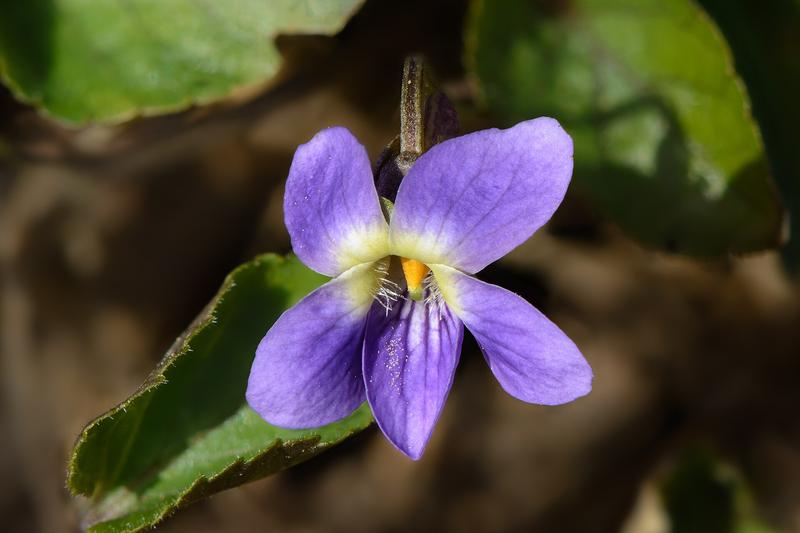
Quick facts
- Watering
- Weekly during dry spells
- Sunlight
- Partial shade
- Soil
- Moist, humus-rich, well-drained
- Humans
- Toxic
- Cats
- Toxic
- Dogs
- Toxic
- Height
- 10–15 cm
- Spread
- 30–45 cm
- Spacing
- 20–30 cm apart
About Sweet Violet
Sweet Violet is a charming British native wildflower renowned for its intensely fragrant, deep purple or white flowers that appear in late winter and early spring. This low-growing perennial forms spreading clumps of heart-shaped leaves and has been cherished in British gardens and hedgerows for centuries. UK gardeners value it for naturalising in shady borders, woodland gardens, and as ground cover beneath deciduous trees, where its delightful scent heralds the arrival of spring. Its ability to thrive in typical British conditions and support native pollinators makes it an excellent choice for wildlife-friendly gardens.
UK fact: Sweet Violet has been cultivated in Britain since medieval times and was historically grown commercially in Devon and Cornwall for the perfume industry, with Dawlish once famous as the 'Violet Town' where millions of blooms were picked and sent to London markets each spring.
Watering Sweet Violet
Sweet Violet prefers consistently moist soil and benefits from regular watering during dry periods, particularly in spring when flowering. Once established, plants are reasonably drought-tolerant in shaded positions but will perform best with weekly watering during prolonged dry spells typical of British summers. In moisture-retentive soils and shady spots, natural rainfall is usually sufficient. Avoid waterlogging, which can lead to root rot, especially in heavy clay soils.
Sunlight requirements
Sweet Violet thrives in partial shade, making it ideal for planting beneath deciduous trees or on north-facing borders where it receives dappled light. In cooler, northern parts of the UK, it will tolerate more sun provided the soil remains moist. Avoid deep shade under evergreens, as this can reduce flowering and encourage leggy growth.
Soil and feeding
Sweet Violet grows best in fertile, humus-rich soil that retains moisture without becoming waterlogged. It tolerates a wide range of soil types, from light loams to heavier clays, provided drainage is adequate. The ideal pH is neutral to slightly alkaline (pH 6.5-7.5), though it will grow in mildly acidic conditions. Improve poor soils by incorporating well-rotted compost or leaf mould before planting to boost moisture retention and fertility.
Sweet Violet requires minimal feeding and thrives in naturally fertile soils enriched with organic matter. Apply a light dressing of well-rotted compost or leaf mould in autumn to maintain soil fertility and encourage healthy growth. Avoid high-nitrogen fertilisers, which promote foliage at the expense of flowers.
Pruning Sweet Violet
Sweet Violet requires very little pruning, though removing spent flowers after blooming can keep plants tidy and prevent excessive self-seeding if desired. In late summer, trim back any tatty or yellowing foliage to encourage fresh growth and maintain a neat appearance. Plants spread naturally via runners, which can be removed or redirected if they encroach on neighbouring plants. Divide congested clumps every 3-4 years in autumn to rejuvenate vigour and flowering.
Propagating Sweet Violet
Sweet Violet is easily propagated by division in autumn or early spring, separating rooted runners from the parent plant and replanting immediately. Plants also self-seed readily in favourable conditions, with seedlings appearing around the base of established clumps. Seed can be sown fresh in autumn in pots outdoors, as it requires a period of cold stratification to germinate. Runners can be pegged down into the soil in summer and severed once rooted, providing a quick method of increase.
Common problems
Sweet Violet is generally trouble-free but can occasionally suffer from violet rust, which appears as orange pustules on leaf undersides; remove and destroy affected foliage promptly. Slugs and snails may damage young leaves and flowers, particularly in damp conditions, so use organic controls such as beer traps or copper barriers. Red spider mite can be problematic in dry conditions, causing leaf mottling; increase humidity and water regularly to deter infestations. Plants may become invasive in ideal conditions, spreading vigorously via runners, so monitor and thin as needed.
Spot a problem with your plant? Photograph the affected area using the Loam app and it will suggest the most likely cause and treatment.
Safety
- Humans
-
Toxic
All parts contain saponins and viola-odorin, which can cause nausea and vomiting if ingested in quantity, though flowers have been used sparingly in traditional cooking.
- Cats
-
Toxic
Contains saponins that can cause vomiting and diarrhoea if ingested. Keep cats away from plants.
- Dogs
-
Toxic
Contains saponins that can cause vomiting, diarrhoea, and lethargy if ingested. Monitor dogs around plants.
Toxicity information is for general guidance only. If a person or pet has been exposed to this plant and you are concerned, seek advice from a medical professional or vet.
Seasonal care calendar
Monthly care guide for Sweet Violet in the UK, based on average conditions.
| Month | Care tasks |
|---|---|
| January | Check for early flower buds forming. Clear fallen leaves from around plants to allow light to reach emerging growth. |
| February | Enjoy the first fragrant flowers. Avoid disturbing plants as they begin blooming. |
| March | Peak flowering period. Deadhead spent blooms if desired to prolong display and reduce self-seeding. |
| April | Flowering continues. Divide congested clumps if needed. Water during dry spells to support late blooms. |
| May | Flowering finishes. Remove spent flower stems. Watch for runners spreading and redirect or remove as needed. |
| June | Foliage develops fully. Water during dry periods. Monitor for slugs and snails on fresh growth. |
| July | Maintain watering in dry weather. Peg down runners into soil if propagating new plants. |
| August | Trim back any yellowing or tatty foliage to encourage fresh growth. Continue watering if dry. |
| September | Good time to divide established clumps. Replant divisions immediately and water well. |
| October | Apply a light mulch of leaf mould or compost around plants. Sow fresh seed in pots outdoors. |
| November | Plants enter dormancy. Clear fallen leaves to prevent smothering. No watering needed. |
| December | No action needed. Plants are dormant but evergreen foliage may persist in mild winters. |
Frequently asked questions
- Why is my Sweet Violet not flowering?
- Sweet Violet may fail to flower if planted in too much shade, in overly dry soil, or if clumps have become congested. Ensure plants receive dappled light, keep soil consistently moist in spring, and divide overcrowded clumps every 3-4 years in autumn to restore vigour and encourage abundant blooms.
- How can I tell if my Sweet Violet needs dividing or has a pest problem?
- Reduced flowering, yellowing leaves, or stunted growth can indicate congestion or pests like red spider mite. The Loam app can help you diagnose specific symptoms with photos and set reminders for division every few years to keep your Sweet Violet thriving.
- Can Sweet Violet become invasive in my garden?
- Sweet Violet spreads via runners and self-seeding, which can be vigorous in ideal conditions of moist, fertile soil and partial shade. While not officially invasive, it may colonise larger areas than intended. Regularly remove unwanted runners and deadhead flowers to control spread, or plant in contained areas beneath trees.
Got a question about growing Sweet Violet that isn't covered here? Ask the Garden Advisor in the Loam app. It knows your saved plants and local conditions.
Related plants
This page was compiled with AI assistance and reviewed by our team. .