Pansy
Viola × wittrockiana
Annuals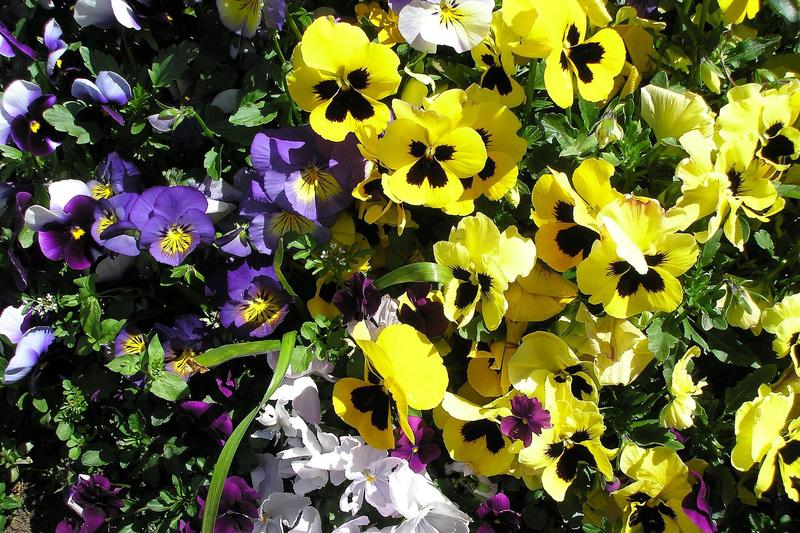
Quick facts
- Watering
- Twice weekly in containers
- Sunlight
- Full sun to partial shade
- Soil
- Moist, well-drained, fertile
- Humans
- Safe
- Cats
- Safe
- Dogs
- Safe
- Height
- 15–23 cm
- Spread
- 20–30 cm
- Spacing
- 15–20 cm apart
- RHS recognition
- Award of Garden Merit
About Pansy
Pansies are cheerful, short-lived perennials usually grown as annuals or biennials, beloved for their distinctive 'faces' and vibrant colour range spanning purples, yellows, reds, whites, and near-blacks. Bred from European wild violas, they have been a cottage garden staple since Victorian times and remain one of the most popular bedding plants in the UK. Their compact habit and long flowering season make them ideal for borders, containers, and winter colour when little else is blooming.
UK fact: Pansies have been awarded numerous RHS Awards of Garden Merit, with winter-flowering varieties particularly prized in Britain for providing reliable colour from October through to May when most other bedding plants have finished.
Watering Pansy
Pansies require regular watering to maintain continuous flowering, particularly when grown in pots and hanging baskets. Water twice weekly in containers during active growth, and weekly for plants in borders during dry spells. In the UK's wetter autumn and winter months, reduce watering and ensure good drainage to prevent root rot. Avoid overhead watering in humid conditions to reduce the risk of fungal diseases.
Sunlight requirements
In the UK, pansies thrive in full sun during autumn, winter, and spring, producing the most abundant flowers. In warmer southern regions or during hot summers, provide partial shade during the afternoon to prevent stress and extend the flowering period. North-facing borders or dappled shade under deciduous trees work well for summer displays.
Soil and feeding
Plant pansies in fertile, humus-rich soil that retains moisture without becoming waterlogged. They perform best in neutral to slightly acidic conditions with a pH of 5.5 to 6.5. Improve heavy clay soils with organic matter and grit to enhance drainage, and enrich sandy soils with compost or well-rotted manure to improve water retention. For container growing, use a good-quality multipurpose compost with added slow-release fertiliser.
Apply a balanced liquid feed every two weeks from the start of flowering to encourage continuous blooms and healthy foliage. Container-grown pansies benefit particularly from regular feeding as nutrients leach quickly from compost. Alternatively, incorporate a slow-release fertiliser into the soil or compost at planting time to provide steady nutrition throughout the season.
Pruning Pansy
Remove faded flowers promptly by pinching or snipping them off at the base to prevent seed formation and encourage further flowering. In mid-season, particularly after the first flush of spring blooms, lightly trim back leggy growth to promote bushier plants and a second wave of flowers. Cut back winter-flowering varieties in early spring if they become straggly, which will rejuvenate growth. Discard plants once flowering diminishes significantly, typically after one or two seasons.
Propagating Pansy
Sow seeds in modules or trays from June to August for autumn and winter planting, or in January to March under cover for summer flowering. Seeds germinate best at temperatures between 15-18°C and require darkness initially, so cover trays with newspaper or place in a dark cupboard. Transplant seedlings when large enough to handle and harden off before planting out. Softwood cuttings can also be taken in late summer, though seed propagation is more common.
Common problems
Pansies are susceptible to aphids, particularly in spring, which can distort new growth and spread viruses; treat with insecticidal soap or encourage natural predators. Powdery mildew and downy mildew can occur in humid conditions with poor air circulation, especially on congested plants. Slugs and snails may damage young plants and flowers, particularly in damp weather. Pansy sickness, caused by soil-borne fungi, leads to wilting and root rot; avoid planting in the same location year after year and ensure good drainage.
Spot a problem with your plant? Photograph the affected area using the Loam app and it will suggest the most likely cause and treatment.
Safety
- Humans
- Safe
- Cats
- Safe
- Dogs
- Safe
Toxicity information is for general guidance only.
Seasonal care calendar
Monthly care guide for Pansy in the UK, based on average conditions.
| Month | Care tasks |
|---|---|
| January | Sow seeds indoors for summer flowering. Protect winter-flowering plants from severe frost with fleece if necessary. |
| February | Continue sowing seeds under cover. Deadhead winter-flowering varieties and feed with dilute liquid fertiliser on mild days. |
| March | Sow final batches for summer displays. Trim back leggy winter-flowering plants to encourage fresh growth. Begin hardening off indoor-sown seedlings. |
| April | Plant out hardened-off seedlings after last frosts. Deadhead regularly and begin fortnightly feeding of established plants. |
| May | Continue deadheading and feeding. Water regularly, especially container plants. Plant out remaining seedlings for summer colour. |
| June | Sow seeds for autumn and winter flowering. Maintain watering and feeding regime. Provide afternoon shade in hot weather. |
| July | Continue sowing for winter displays. Deadhead spent blooms and water frequently during dry spells. Trim back leggy growth. |
| August | Final sowings for winter colour. Prick out and pot on summer-sown seedlings. Maintain deadheading and watering. |
| September | Plant out autumn-sown seedlings for winter and spring displays. Remove spent summer bedding and replace with winter varieties. |
| October | Complete planting of winter-flowering pansies. Deadhead regularly to encourage continuous blooming through autumn. |
| November | Deadhead winter-flowering varieties. Reduce watering as growth slows. Protect from severe weather if forecast. |
| December | Remove any damaged flowers or foliage. Ensure good drainage around plants to prevent waterlogging during wet weather. |
Frequently asked questions
- How often should I water pansies in containers?
- Container-grown pansies need watering when the top 2-3cm of compost feels dry, typically every 1-2 days in warm weather and less frequently in winter. Check daily during summer as pots dry out quickly. Ensure containers have drainage holes to prevent waterlogging, which can cause root rot. Water at the base rather than overhead to reduce disease risk.
- Why are my pansies wilting despite regular watering?
- Wilting despite adequate moisture suggests pansy sickness, a fungal disease affecting roots. This is common when pansies are grown in the same soil repeatedly. Improve drainage, avoid overwatering, and rotate planting locations annually. If you're unsure whether it's a watering issue or disease, the Loam app can help diagnose the problem through photos and provide personalised treatment advice.
- What should I feed pansies and how often?
- Feed pansies every two weeks during the growing season with a balanced liquid fertiliser to promote continuous flowering. Container-grown pansies benefit from more frequent feeding as nutrients wash through quickly. Start feeding spring-planted pansies from late April, and winter pansies from September. Avoid high-nitrogen feeds which encourage leafy growth at the expense of flowers.
Got a question about growing Pansy that isn't covered here? Ask the Garden Advisor in the Loam app. It knows your saved plants and local conditions.
Related plants
This page was compiled with AI assistance and reviewed by our team. .