Leucojum
Leucojum vernum
Bulbs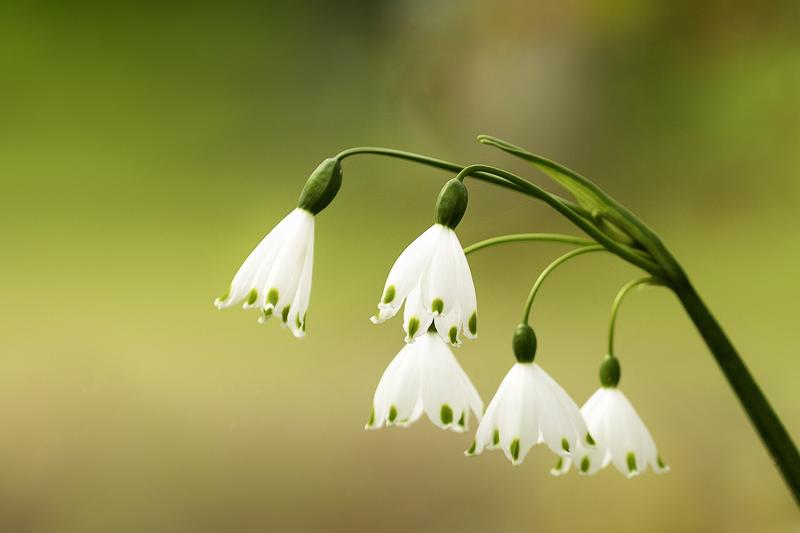
Quick facts
- Watering
- Minimal once established
- Sunlight
- Partial shade
- Soil
- Moist, humus-rich, well-drained
- Humans
- Toxic
- Cats
- Toxic
- Dogs
- Toxic
- Height
- 15–25 cm
- Spread
- 5–10 cm
- Spacing
- 8–10 cm apart
- RHS recognition
- Award of Garden Merit
About Leucojum
Leucojum vernum, commonly known as spring snowflake, is a charming early-flowering bulb native to central and southern Europe. Producing nodding, bell-shaped white flowers with distinctive green spots on the petal tips, it blooms from late winter to early spring, often appearing alongside snowdrops. UK gardeners prize this hardy bulb for naturalising in damp woodland settings, shaded borders, and beneath deciduous trees where its cheerful blooms herald the end of winter. The glossy, strap-like foliage emerges with or just after the flowers, creating attractive clumps that spread gradually over time.
UK fact: Leucojum vernum holds the RHS Award of Garden Merit and thrives particularly well in the damper regions of western Britain, where it naturalises freely in conditions similar to its native alpine meadows and streamside habitats.
Watering Leucojum
Leucojum vernum prefers consistently moist soil, particularly during its growing season from late winter through spring. In most UK gardens, natural rainfall provides adequate moisture, but water during prolonged dry spells in March and April to support flower and foliage development. Avoid waterlogging during the summer dormancy period, though these bulbs tolerate damper conditions than many spring bulbs. Once established in suitable moisture-retentive soil, they rarely require additional watering except during exceptional droughts.
Sunlight requirements
Plant in partial shade where the bulbs receive filtered light, mimicking their natural woodland habitat. In the UK, an east-facing position or beneath deciduous trees works particularly well, as the bulbs flower before the tree canopy fully develops. Avoid deep shade, which can reduce flowering, and hot, south-facing positions where the soil may dry out too quickly.
Soil and feeding
Plant in humus-rich, moisture-retentive soil that doesn't dry out completely in summer. Leucojum vernum tolerates a range of soil types, including heavy clay, provided drainage prevents waterlogging. Incorporate well-rotted compost or leaf mould before planting to improve soil structure and moisture retention. A slightly acidic to neutral pH of 6.0-7.0 is ideal, though the bulbs adapt to most UK garden soils without difficulty.
Feed with bone meal at planting time in autumn to encourage root establishment. As shoots emerge in late winter, apply a balanced granular fertiliser or a potassium-rich feed to support flowering and help the bulbs build reserves for the following year. Avoid high-nitrogen fertilisers, which promote foliage at the expense of flowers.
Pruning Leucojum
Deadhead spent flowers if desired to maintain a tidy appearance, though this isn't essential as seed production doesn't significantly weaken the bulbs. The key requirement is to leave foliage intact for at least six weeks after flowering to allow the leaves to photosynthesise and replenish the bulb's energy reserves. Only remove foliage once it has turned completely yellow and pulls away easily, usually by late spring. Avoid the temptation to tidy up early, tie leaves in knots, or cut back green foliage, as this severely weakens the bulbs.
Propagating Leucojum
The easiest method is division of established clumps every 3-5 years when they become congested. Lift clumps carefully in late spring just as foliage begins to yellow, separate individual bulbs with their roots intact, and replant immediately at the same depth. Leucojum vernum also self-seeds readily in favourable conditions, and you can collect ripe seed capsules in early summer, sowing fresh seed in pots of gritty compost. Seedlings require patience, taking 3-4 years to reach flowering size, but this method produces large colonies over time.
Common problems
Leucojum vernum is largely trouble-free, suffering from few serious pests or diseases in UK gardens. Slugs and snails may occasionally damage emerging shoots and flowers in early spring, particularly in mild, wet winters. Narcissus bulb fly can sometimes affect bulbs, causing them to become soft and fail to flower, though this is uncommon. The main cultural problem is premature removal of foliage, which weakens bulbs and reduces flowering in subsequent years, so always allow leaves to die back naturally.
Spot a problem with your plant? Photograph the affected area using the Loam app and it will suggest the most likely cause and treatment.
Safety
- Humans
-
Toxic
All parts contain toxic alkaloids that can cause nausea, vomiting, and abdominal pain if ingested. Handle bulbs with care and wash hands after planting.
- Cats
-
Toxic
Contains lycorine and other alkaloids toxic to cats, causing vomiting, diarrhoea, and abdominal pain if ingested.
- Dogs
-
Toxic
Toxic to dogs if ingested, causing vomiting, diarrhoea, drooling, and abdominal discomfort due to alkaloid content.
Toxicity information is for general guidance only. If a person or pet has been exposed to this plant and you are concerned, seek advice from a medical professional or vet.
Seasonal care calendar
Monthly care guide for Leucojum in the UK, based on average conditions.
| Month | Care tasks |
|---|---|
| January | Shoots begin emerging in mild winters. Protect from slug damage if necessary. |
| February | Main flowering period begins. Apply balanced fertiliser as shoots emerge. Enjoy the blooms. |
| March | Flowering continues. Water during dry spells. Deadhead spent flowers if desired. |
| April | Flowering finishes. Allow foliage to remain and photosynthesise. Water if dry. |
| May | Foliage begins yellowing. Divide congested clumps if needed. Remove foliage only when completely yellow. |
| June | Foliage dies back completely. Collect seed if propagating. Bulbs enter dormancy. |
| July | Bulbs dormant. No action needed. |
| August | Bulbs dormant. Prepare planting sites for new bulbs if expanding displays. |
| September | Ideal planting month. Plant bulbs 8-10 cm deep in prepared, moisture-retentive soil. |
| October | Continue planting. Apply bone meal to new plantings. Bulbs developing roots underground. |
| November | Last chance for planting. Mulch beds with leaf mould to conserve moisture. |
| December | Bulbs developing roots. In mild areas, early shoots may appear by month end. |
Frequently asked questions
- When should I plant Leucojum vernum bulbs in the UK?
- Plant Leucojum vernum bulbs in September or October whilst they're dormant, setting them 8-10 cm deep in moisture-retentive soil. Earlier autumn planting allows better root establishment before winter, giving you the best chance of spring flowers.
- Why are my Leucojum leaves turning yellow too early?
- Premature yellowing can indicate drought stress, nutrient deficiency, or pest problems beneath the soil. Ensure consistent moisture and avoid cutting foliage before it naturally dies back. If symptoms persist or you're unsure of the cause, the Loam app can help diagnose specific issues through photo analysis and provide personalised care recommendations for your conditions.
- How do I divide Leucojum vernum clumps?
- Divide congested clumps in late spring immediately after flowering, whilst foliage is still green. Carefully lift the entire clump with a fork, gently tease apart the bulbs, and replant immediately at 8-10 cm depth in groups of 5-7 bulbs. Water well and allow foliage to die back naturally to build up energy for next year's display.
Got a question about growing Leucojum that isn't covered here? Ask the Garden Advisor in the Loam app. It knows your saved plants and local conditions.
Related plants
This page was compiled with AI assistance and reviewed by our team. .