Hyacinth
Hyacinthus orientalis
Bulbs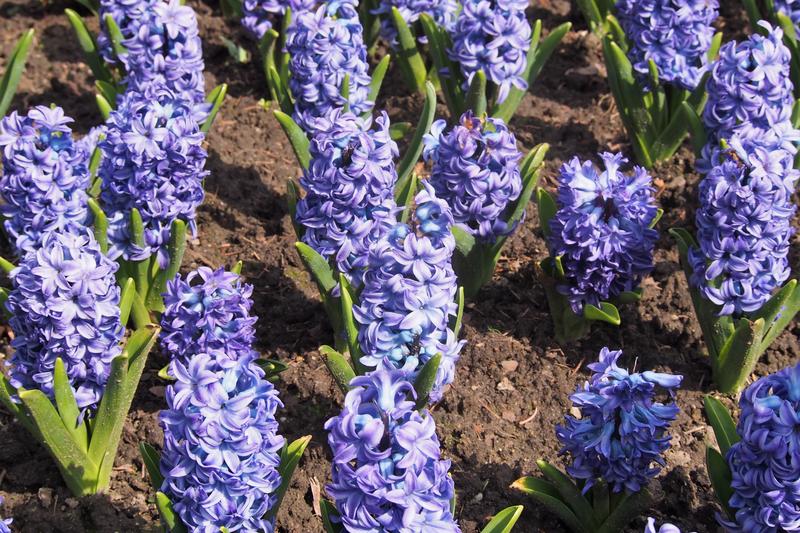
Quick facts
- Watering
- Moderate during growth, dry when dormant
- Sunlight
- Full sun to partial shade
- Soil
- Well-drained, moderately fertile
- Humans
- Toxic
- Cats
- Toxic
- Dogs
- Toxic
- Height
- 20–30 cm
- Spread
- 8–10 cm
- Spacing
- 10–15 cm apart
- RHS recognition
- Award of Garden Merit
About Hyacinth
Hyacinth is a beloved spring-flowering bulb renowned for its densely packed spikes of intensely fragrant blooms in shades of pink, purple, white, blue, and yellow. Native to the eastern Mediterranean and Turkey, this classic bulb has been cultivated in British gardens since the 18th century. UK gardeners prize hyacinths for their early spring colour, intoxicating scent, and versatility in borders, containers, and indoor forcing. The sturdy flower spikes emerge from strappy green foliage, bringing welcome fragrance and vibrant hues to gardens from March through April.
UK fact: Hyacinths were so fashionable in Georgian Britain that specialist 'hyacinth glasses' were designed to force bulbs indoors, allowing wealthy households to enjoy the flowers' perfume throughout winter—a tradition that remains popular in British homes today.
Watering Hyacinth
Keep the soil evenly moist from when shoots emerge in late winter until the foliage begins to yellow in late spring, typically requiring watering once or twice weekly if rainfall is insufficient. Hyacinths are susceptible to bulb rot in waterlogged conditions, so never allow them to sit in saturated soil. Once leaves have died back naturally in June, cease watering entirely and allow bulbs to remain dry through their summer dormancy. Container-grown hyacinths require more frequent watering than those in open ground, particularly during dry spells.
Sunlight requirements
Plant hyacinths in a position receiving at least four to six hours of direct sunlight daily for the strongest flower spikes and most vibrant colours. In the UK, south or west-facing borders are ideal, though they'll perform adequately in partial shade under deciduous trees. Avoid deep shade, which results in weak, floppy stems and reduced flowering.
Soil and feeding
Plant in well-drained, moderately fertile soil with a neutral to slightly alkaline pH of 6.5–7.5. Heavy clay soils must be improved with horticultural grit and organic matter, or plant bulbs in raised beds to ensure adequate drainage. Sandy and loamy soils are ideal, providing the sharp drainage hyacinths need to prevent basal rot. Add a handful of bonemeal to the planting hole to encourage strong root development, but avoid excessively rich soil which promotes lush foliage at the expense of flowers.
Feed hyacinths with a high-potash liquid fertiliser such as tomato feed every fortnight once flowers have faded, continuing until the foliage begins to yellow naturally. This post-flowering feed is essential for replenishing the bulb's energy reserves and ensuring good blooms the following spring. Avoid feeding during flowering or when bulbs are dormant.
Pruning Hyacinth
Remove faded flower spikes as soon as blooms finish to prevent energy being wasted on seed production, cutting the stem down to the base of the leaves. It's crucial to leave the foliage intact and allow it to photosynthesize for at least six weeks, feeding the bulb for next year's display. Only remove leaves once they've turned completely yellow and come away easily—typically by late June. For indoor forced bulbs, the same rules apply if you intend to plant them out in the garden after flowering.
Propagating Hyacinth
The easiest method is to lift established clumps every three to four years in early summer after foliage has died back, carefully separating any offset bulblets from the mother bulb. These offsets take two to three years to reach flowering size, so patience is required. Alternatively, purchase fresh bulbs annually for guaranteed spring displays. Commercial growers use techniques like scooping and scoring the basal plate to induce bulblet formation, but these methods are rarely successful for home gardeners and risk introducing disease.
Common problems
Hyacinths are susceptible to grey mould (Botrytis) in damp conditions, causing rotting flowers and foliage—ensure good air circulation and avoid overhead watering. Bulb rot caused by Fusarium or bacterial soft rot occurs in poorly drained soil, so sharp drainage is essential. Slugs and snails may damage emerging shoots in early spring; use organic pellets or barriers to protect new growth. Occasionally, bulbs fail to flower due to being planted too shallowly, in deep shade, or lifted and divided too frequently.
Spot a problem with your plant? Photograph the affected area using the Loam app and it will suggest the most likely cause and treatment.
Safety
- Humans
-
Toxic
All parts of hyacinth are toxic if ingested, causing nausea, vomiting, and diarrhoea. The bulbs contain calcium oxalate crystals and alkaloids. Handling bulbs may cause skin irritation ('hyacinth itch') in sensitive individuals; wear gloves when planting.
- Cats
-
Toxic
Hyacinth bulbs and leaves are toxic to cats, causing vomiting, diarrhoea, and drooling if ingested. The bulbs are most dangerous. Keep bulbs out of reach and monitor cats around planted areas.
- Dogs
-
Toxic
All parts are toxic to dogs, particularly the bulbs, which contain concentrated alkaloids and calcium oxalate. Ingestion causes vomiting, diarrhoea, excessive drooling, and abdominal pain. Seek veterinary attention if consumed.
Toxicity information is for general guidance only. If a person or pet has been exposed to this plant and you are concerned, seek advice from a medical professional or vet.
Seasonal care calendar
Monthly care guide for Hyacinth in the UK, based on average conditions.
| Month | Care tasks |
|---|---|
| January | Check forced indoor bulbs and maintain cool temperatures. Outdoor bulbs remain dormant; no action needed. |
| February | First shoots emerge outdoors. Apply slug protection around emerging foliage. Indoor forced hyacinths begin flowering. |
| March | Main flowering period begins. Water if conditions are dry. Deadhead faded indoor bulbs and continue watering. |
| April | Peak flowering continues. Deadhead spent blooms. Begin fortnightly liquid feeding once flowers fade. Water during dry spells. |
| May | Flowering finishes. Continue feeding and watering. Allow foliage to die back naturally—do not cut or tie up leaves. |
| June | Foliage yellows and dies back. Remove dead leaves once fully brown. Lift and divide overcrowded clumps if needed. Cease watering. |
| July | Bulbs dormant. Store lifted bulbs in cool, dry conditions. No watering required for bulbs left in ground. |
| August | Bulbs remain dormant. Plan autumn planting schemes and order new bulbs for autumn planting. |
| September | Begin planting new and stored bulbs from mid-month onwards. Plant 10–15cm deep in prepared, well-drained soil. |
| October | Main planting month. Complete all outdoor planting by month end. Plant bulbs for indoor forcing in pots or hyacinth glasses. |
| November | Finish any late planting in early November. Protect containers from excessive winter wet. Indoor forced bulbs in cool, dark conditions. |
| December | Outdoor bulbs developing roots underground. Bring forced bulbs into light once shoots are 5cm tall. No outdoor maintenance needed. |
Frequently asked questions
- When should I cut back hyacinth foliage after flowering?
- Wait until hyacinth foliage turns completely yellow and dies back naturally, typically 6–8 weeks after flowering finishes. The leaves are essential for photosynthesis, allowing the bulb to store energy for next year's display. You may remove spent flower stems once blooms fade, but leave all foliage intact. Cutting back too early is a primary reason bulbs fail to flower the following season. Resist the urge to tidy up or tie leaves in knots, as this reduces their ability to nourish the bulb.
- How do I know if my hyacinth bulb has rotted?
- Signs of bulb rot include soft, mushy bulbs when gently squeezed, foul odour, visible mould or dark patches on the bulb surface, and failure to produce shoots when others are emerging. Rotted bulbs often feel lightweight and papery. If you suspect problems, carefully excavate around the bulb to inspect it. Rot typically results from waterlogged soil or planting in poorly-drained areas. The Loam app can help you diagnose bulb problems through photos and provide personalised advice on improving drainage and preventing future issues.
- Are hyacinths poisonous to pets and children?
- Yes, all parts of hyacinth plants are toxic if ingested, with the bulbs containing the highest concentration of harmful alkaloids. Symptoms in pets and children include nausea, vomiting, diarrhoea, and skin irritation from handling bulbs. Always wear gloves when planting hyacinth bulbs, as they can cause dermatitis in sensitive individuals. Position plants away from areas where children play and pets roam. If you suspect poisoning, seek medical or veterinary attention immediately. Consider safer alternatives like crocuses or grape hyacinths (Muscari) in households with curious pets or young children.
Got a question about growing Hyacinth that isn't covered here? Ask the Garden Advisor in the Loam app. It knows your saved plants and local conditions.
Related plants
This page was compiled with AI assistance and reviewed by our team. .