Alstroemeria
Alstroemeria aurea
Perennials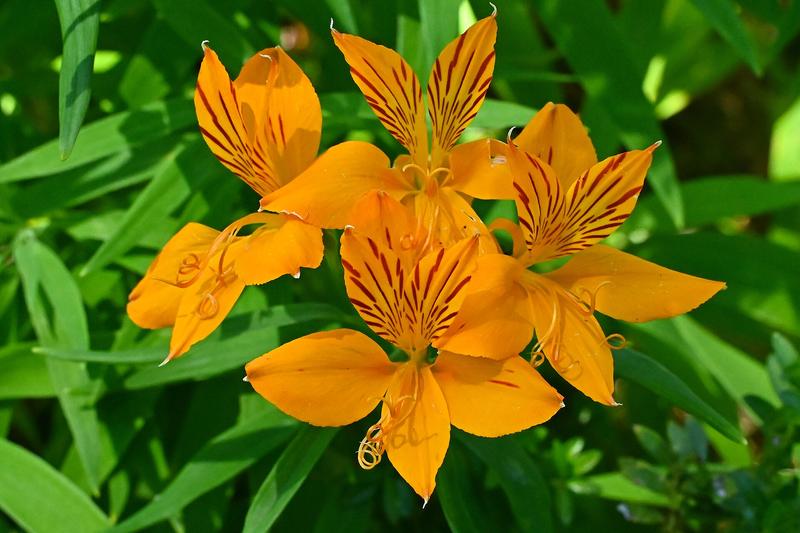
Quick facts
- Watering
- Weekly during growing season
- Sunlight
- Full sun to partial shade
- Soil
- Well-drained, fertile, slightly acidic
- Humans
- Toxic
- Cats
- Toxic
- Dogs
- Toxic
- Height
- 60–90 cm
- Spread
- 30–60 cm
- Spacing
- 30–45 cm apart
- RHS recognition
- Award of Garden Merit
About Alstroemeria
Alstroemeria aurea is a striking herbaceous perennial native to South America, prized for its exotic, lily-like flowers in shades of orange, yellow and gold with distinctive dark streaks. British gardeners value this plant for its long flowering season from early summer through to autumn and exceptional performance as a cut flower. The tuberous roots spread steadily to form generous clumps that bring vibrant colour to borders and cottage gardens. Hardy in most of the UK, alstroemeria has become a staple in British gardens since its introduction in the Victorian era.
UK fact: Alstroemeria aurea has been awarded the RHS Award of Garden Merit, recognising its outstanding performance in British gardens and its reliability in our variable climate.
Watering Alstroemeria
Alstroemeria requires regular watering from spring through summer, particularly during dry spells which are increasingly common in the UK. Water deeply once or twice weekly rather than little and often, ensuring moisture reaches the tuberous roots. Reduce watering significantly in autumn as plants die back, and keep almost dry over winter to prevent root rot. Established plants show good drought tolerance but flower more prolifically with consistent moisture during the growing season.
Sunlight requirements
Position in full sun for the best flowering, though plants will tolerate partial shade and often benefit from it during hot spells. In the UK, a south or west-facing border is ideal, whilst in warmer regions a spot with morning sun and afternoon shade prevents scorching. Avoid deep shade as this reduces flowering and can cause leggy growth.
Soil and feeding
Alstroemeria performs best in well-drained, moderately fertile soil with a slightly acidic to neutral pH of 6.0-7.0. Heavy clay soils common in parts of the UK should be improved with grit and organic matter to ensure good drainage, as waterlogged conditions cause root rot. Sandy soils benefit from the addition of compost or well-rotted manure to improve moisture retention and fertility. The tuberous roots are planted 15-20cm deep, which provides natural insulation against frost in most UK regions.
Apply a balanced slow-release fertiliser in early spring as new growth emerges, then switch to a high-potash liquid feed every two weeks from late spring through summer. This feeding regime supports the long flowering period and helps build strong tubers for the following year. Cease feeding by late August to allow plants to harden off before winter.
Pruning Alstroemeria
Remove spent flowers regularly by cutting stems back to the base to encourage continuous blooming and prevent energy being wasted on seed production. In late autumn, once foliage has yellowed and died back naturally, cut all stems down to ground level. Avoid cutting back green foliage as this is needed to build up the tubers for next year's growth. Apply a mulch of compost or bark chips after cutting back to protect crowns over winter, particularly in colder regions of the UK.
Propagating Alstroemeria
Division is the most reliable propagation method for alstroemeria, carried out in early spring just as new shoots emerge. Lift established clumps carefully with a fork, taking care not to damage the brittle tuberous roots. Divide into sections ensuring each has at least three to five tubers and visible growth buds, then replant immediately at the same depth. Seed propagation is possible but plants take several years to reach flowering size and may not come true to type.
Common problems
Alstroemeria is relatively trouble-free but can suffer from slug and snail damage to emerging shoots in spring, requiring vigilance and control measures. Red spider mite may affect plants in hot, dry conditions, particularly those grown in greenhouses or against warm walls. Virus diseases can occasionally occur, causing mottled or distorted foliage and reduced flowering; affected plants should be removed and destroyed. Overwatering or poor drainage leads to root rot, particularly problematic in heavy UK clay soils during wet winters.
Spot a problem with your plant? Photograph the affected area using the Loam app and it will suggest the most likely cause and treatment.
Safety
- Humans
-
Toxic
All parts of alstroemeria are toxic if ingested and can cause stomach upset. The sap may cause skin irritation or allergic dermatitis in sensitive individuals.
- Cats
-
Toxic
Toxic to cats if ingested, causing vomiting, diarrhoea and lethargy. Keep cats away from plants and seek veterinary advice if ingestion occurs.
- Dogs
-
Toxic
Toxic to dogs if ingested, causing vomiting, diarrhoea and abdominal pain. Contact a vet immediately if your dog consumes any part of the plant.
Toxicity information is for general guidance only. If a person or pet has been exposed to this plant and you are concerned, seek advice from a medical professional or vet.
Seasonal care calendar
Monthly care guide for Alstroemeria in the UK, based on average conditions.
| Month | Care tasks |
|---|---|
| January | No action needed. Plants are dormant underground; ensure winter mulch remains in place in colder regions. |
| February | Check mulch coverage and watch for early shoots emerging in mild areas. Prepare planting sites for new plants. |
| March | New shoots emerge. Apply slow-release fertiliser around established clumps. Divide overcrowded plants. Watch for slug damage. |
| April | Growth accelerates rapidly. Water during dry spells. Stake tall varieties if needed. Continue slug and snail control. |
| May | First flowers may appear late in the month. Begin fortnightly liquid feeding with high-potash fertiliser. Water regularly. |
| June | Peak flowering begins. Deadhead spent blooms regularly. Continue feeding and watering. Cut flowers for indoor arrangements. |
| July | Flowering continues prolifically. Maintain deadheading, feeding and watering regime. Watch for red spider mite in hot, dry weather. |
| August | Continue deadheading and watering. Cease feeding by late month to allow plants to harden off before autumn. |
| September | Flowering continues into early autumn. Reduce watering as growth slows. Continue deadheading to prolong display. |
| October | Flowering finishes and foliage begins to yellow. Reduce watering significantly. Allow foliage to die back naturally. |
| November | Cut back dead foliage to ground level. Apply mulch of compost or bark chips to protect crowns over winter. |
| December | No action needed. Plants are dormant. Ensure winter protection remains in place in exposed or cold gardens. |
Frequently asked questions
- When should I cut back alstroemeria?
- Cut back alstroemeria stems to ground level after flowering finishes and again in late autumn once foliage has yellowed and died back naturally. Remove dead or damaged stems throughout the growing season by pulling or cutting them at the base. Avoid cutting back green foliage prematurely as it feeds the tubers for next year's growth. In mild areas, some foliage may persist through winter and can be tidied in early spring.
- Why are the leaves on my alstroemeria turning yellow?
- Yellowing foliage in autumn is natural as plants die back for winter. However, yellowing during the growing season may indicate overwatering, poor drainage, or nutrient deficiency. Check soil drainage, reduce watering if soggy, and apply a balanced fertiliser if plants appear starved. If you're unsure what's causing the problem, the Loam app can help diagnose issues from photos and provide personalised care advice for your specific conditions.
- Are alstroemeria hardy in the UK?
- Alstroemeria aurea is reasonably hardy in most of the UK, tolerating temperatures down to around -5°C to -10°C once established. In colder regions or exposed sites, apply a thick mulch of bark or compost over the root area in late autumn for winter protection. Container-grown plants are more vulnerable to frost and should be moved to a sheltered location or have pots insulated with bubble wrap during hard freezes. New plantings are less hardy in their first winter.
Got a question about growing Alstroemeria that isn't covered here? Ask the Garden Advisor in the Loam app. It knows your saved plants and local conditions.
Related plants
This page was compiled with AI assistance and reviewed by our team. .