Umbrella Plant
Schefflera arboricola
Houseplants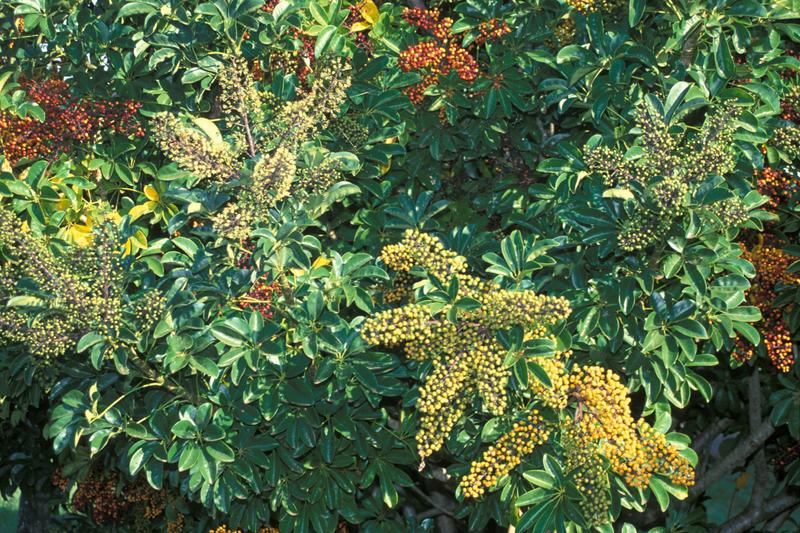
Quick facts
- Watering
- Weekly during growing season
- Sunlight
- Bright indirect light
- Soil
- Well-drained, peat-free multipurpose compost
- Humans
- Toxic
- Cats
- Toxic
- Dogs
- Toxic
- Height
- 100–200 cm
- Spread
- 60–100 cm
- Spacing
- 0 cm apart
About Umbrella Plant
The Umbrella Plant is a popular evergreen houseplant native to Taiwan and Hainan, prized for its glossy, palmate leaves that radiate like the spokes of an umbrella. In UK homes, it typically reaches 1–2 metres indoors, making it an excellent choice for adding tropical greenery to living rooms and conservatories. Its tolerance of lower light levels and forgiving nature make it ideal for British gardeners seeking a low-maintenance statement plant. The variegated cultivars, particularly 'Gold Capella', are especially popular in the UK for brightening north-facing rooms.
UK fact: The Umbrella Plant has been a staple of British garden centres since the 1980s and thrives particularly well in the humid conditions of UK bathrooms and kitchens, where it benefits from the moisture created by daily use.
Watering Umbrella Plant
During spring and summer, water thoroughly when the top few centimetres of compost have dried out, typically once a week in most UK homes. Allow excess water to drain completely, as Umbrella Plants are susceptible to root rot in waterlogged conditions. Reduce watering considerably from October through March when growth slows, watering perhaps every 10–14 days depending on your home's heating. The plant prefers slightly moist but never soggy compost, and benefits from the naturally higher humidity of UK homes during winter when central heating is running.
Sunlight requirements
Position your Umbrella Plant in bright, indirect light for best growth, ideally near an east or west-facing window in UK homes. It will tolerate north-facing positions and shadier spots, though growth will slow and variegated forms may lose their patterning. Avoid direct summer sun through south-facing windows, which can scorch the leaves, though some gentle morning sun is beneficial.
Soil and feeding
Plant in a well-draining, peat-free multipurpose compost or specialist houseplant mix that provides good aeration around the roots. Adding perlite or horticultural grit (roughly 20% by volume) improves drainage and prevents compaction, which is essential for preventing root rot. The Umbrella Plant tolerates a wide pH range but performs best in slightly acidic to neutral conditions (pH 6.0–7.0). Repot every 2–3 years in spring, moving up one pot size when roots fill the container.
Apply a balanced liquid houseplant feed at half strength every 4 weeks during the growing season from April through September. Cease feeding from October to March when the plant's growth naturally slows in response to reduced UK daylight hours. Over-feeding can cause leaf-tip burn and salt build-up in the compost.
Pruning Umbrella Plant
Prune in early spring (March–April) to maintain shape and encourage branching, cutting stems back to just above a leaf node. The Umbrella Plant responds well to pruning and can be kept compact or allowed to grow tall depending on your preference. Remove any yellowing or damaged leaves promptly throughout the year, and pinch out growing tips on young plants to promote bushier growth. Wear gloves when pruning as the sap can cause skin irritation in sensitive individuals.
Propagating Umbrella Plant
The most reliable propagation method is stem cuttings taken during the active growing season from April to July. Cuttings root readily in either water or directly in compost, with success rates high even for novice gardeners. Air layering is also possible for larger stems but is more time-consuming. Spring and early summer provide the warmth and longer daylight hours that encourage faster rooting in UK conditions.
Common problems
Umbrella Plants are generally trouble-free but can suffer from scale insects and red spider mite, particularly in dry, centrally heated UK homes during winter. Overwatering is the most common cultural problem, leading to yellowing leaves and root rot, especially during the darker months when growth slows. Leaf drop can occur due to sudden temperature changes, draughts from doors or windows, or moving the plant to a significantly different light level. Brown leaf tips typically indicate low humidity or fluoride in tap water; use rainwater or filtered water if this persists.
Spot a problem with your plant? Photograph the affected area using the Loam app and it will suggest the most likely cause and treatment.
Safety
- Humans
-
Toxic
Contains calcium oxalate crystals which can cause mouth and throat irritation, swelling, and digestive upset if ingested. Sap may cause skin irritation in sensitive individuals.
- Cats
-
Toxic
Toxic to cats, causing oral irritation, drooling, vomiting, and difficulty swallowing due to calcium oxalate crystals. Keep out of reach of curious cats.
- Dogs
-
Toxic
Toxic to dogs, causing similar symptoms to cats including mouth irritation, excessive drooling, vomiting, and difficulty swallowing. Position away from pets.
Toxicity information is for general guidance only. If a person or pet has been exposed to this plant and you are concerned, seek advice from a medical professional or vet.
Seasonal care calendar
Monthly care guide for Umbrella Plant in the UK, based on average conditions.
| Month | Care tasks |
|---|---|
| January | Reduce watering to every 10–14 days. Maintain temperatures above 13°C and avoid cold draughts. |
| February | Continue minimal watering. Check for scale insects and spider mite in dry, heated rooms. |
| March | Begin increasing watering frequency as daylight improves. Prune to shape and repot if rootbound. |
| April | Resume monthly feeding. Take stem cuttings for propagation. Water weekly as growth accelerates. |
| May | Continue regular watering and feeding. Wipe leaves to remove dust and check for pests. |
| June | Maintain weekly watering and monthly feeding. Propagate from cuttings. Provide good ventilation on warm days. |
| July | Water regularly, potentially twice weekly in warm weather. Feed monthly and mist occasionally to increase humidity. |
| August | Continue regular watering and feeding. Monitor for spider mite in hot, dry conditions. |
| September | Reduce feeding to fortnightly, then stop at month end. Begin reducing watering frequency slightly. |
| October | Stop feeding. Reduce watering as growth slows. Ensure adequate light as days shorten. |
| November | Water sparingly, every 10–14 days. Avoid cold draughts and maintain minimum 13°C temperature. |
| December | Minimal watering required. Keep away from cold windows and radiators. Check for pests in dry conditions. |
Frequently asked questions
- Why are the leaves on my Umbrella Plant turning yellow and dropping?
- Yellowing and leaf drop are most commonly caused by overwatering, especially during UK winter months when growth slows. Allow the top few centimetres of compost to dry between waterings and ensure the pot has adequate drainage. Sudden temperature changes or cold draughts can also trigger leaf drop.
- How can I tell if my Umbrella Plant has a pest or disease problem?
- Look for sticky residue or webbing on leaves (indicating spider mites or scale insects), yellowing between veins, or unusual spotting. The Loam app can help you diagnose specific problems by analysing photos of your plant and provides personalised treatment recommendations based on your growing conditions and the symptoms you're seeing.
- Can I propagate my Umbrella Plant from cuttings?
- Yes, take 10–15cm stem cuttings in spring or early summer, cutting just below a leaf node. Remove the lower leaves and place in water or moist compost. Cuttings root best in warm conditions (18–24°C) with bright, indirect light. Rooting typically takes 3–6 weeks, though success rates vary—using a propagator or covering with a clear plastic bag helps maintain humidity.
Got a question about growing Umbrella Plant that isn't covered here? Ask the Garden Advisor in the Loam app. It knows your saved plants and local conditions.
Related plants
This page was compiled with AI assistance and reviewed by our team. .