African Violet
Streptocarpus sect. Saintpaulia
Houseplants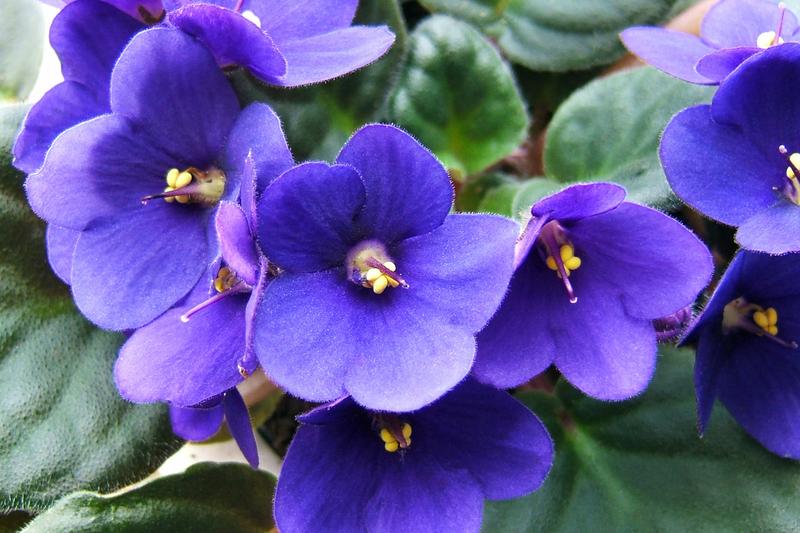
Quick facts
- Watering
- Weekly, when compost surface dries
- Sunlight
- Bright indirect light
- Soil
- Light, free-draining, peat-free compost
- Humans
- Safe
- Cats
- Safe
- Dogs
- Safe
- Height
- 10–20 cm
- Spread
- 15–25 cm
- Spacing
- 20–30 cm apart
About African Violet
African Violets are compact, evergreen perennials native to the tropical forests of East Africa, prized for their velvety leaves and profuse clusters of violet, pink, or white flowers. These charming houseplants have been beloved by British gardeners since the Victorian era, thriving on windowsills and in conservatories throughout the UK. Their ability to flower almost year-round in warm indoor conditions makes them particularly popular during Britain's long, grey winters. With modest care requirements and a delightful appearance, African Violets remain one of the most rewarding houseplants for UK homes.
UK fact: African Violets were introduced to British horticulture in the early 1890s and quickly became a Victorian parlour favourite, with the RHS holding its first African Violet exhibition in 1927, sparking a collecting craze that continues today.
Watering African Violet
African Violets are sensitive to both overwatering and water on their leaves, which can cause unsightly brown spots. Water from below by placing the pot in a saucer of tepid water for 15–20 minutes, then drain thoroughly. In centrally heated UK homes, check weekly during winter and twice weekly in summer. Always use room-temperature water, as cold water can shock the roots and cause leaf spotting. Ensure the compost surface dries slightly between waterings to prevent root rot, but never allow the plant to wilt completely.
Sunlight requirements
Position on a north or east-facing windowsill in the UK, where they'll receive gentle morning light without harsh afternoon sun. In south or west-facing rooms, place them 1–2 metres back from the window or behind a sheer curtain. During Britain's darker winter months, they may benefit from being moved closer to the window or supplemented with a grow light to maintain flowering.
Soil and feeding
African Violets require an open, well-aerated growing medium with excellent drainage. Purpose-made African Violet compost is ideal, or create your own by mixing peat-free multipurpose compost with perlite or vermiculite in a 2:1 ratio. The compost should be slightly acidic, with a pH of 6.0–6.5. Avoid heavy, moisture-retentive mixes that can lead to crown rot, a common problem in the UK's damp climate. Repot every 12–18 months to refresh the compost and prevent compaction.
Apply a specialist African Violet feed or tomato fertiliser diluted to half the recommended strength every two weeks from March to September. During the darker months of October to February, reduce feeding to monthly or cease altogether if the plant isn't actively flowering. Avoid getting fertiliser on the leaves, and always apply to moist compost to prevent root burn.
Pruning African Violet
Deadhead faded flowers by pinching or cutting the entire flower stalk at the base to promote further flowering. Remove any yellowing, damaged, or lower leaves that touch the compost surface, as these can harbour disease. Use clean, sharp scissors or simply pinch off with your fingers. If the plant develops a 'neck' (bare stem between roots and leaves), it's time to repot deeper or propagate. Prune out any suckers or side crowns if you want to maintain a single-crowned specimen, or leave them to create a fuller plant.
Propagating African Violet
Leaf cuttings are the most reliable propagation method for African Violets and can be taken any time from March to August in the UK. Select a healthy, mature leaf from the middle row of foliage and cut it with 3–4 cm of stem attached. Root in water or directly in moist compost, and within 6–8 weeks, tiny plantlets will emerge at the base of the leaf. Division of multi-crowned plants is also possible when repotting, though leaf cuttings produce more vigorous plants.
Common problems
African Violets are susceptible to crown rot and root rot if overwatered or if water sits on the crown, particularly in the UK's cooler, damper conditions. Powdery mildew can develop in poorly ventilated rooms, appearing as white patches on leaves and flowers. Cyclamen mites are a serious pest that cause distorted, stunted growth and are difficult to eradicate once established. Mealybugs may infest leaf axils, whilst brown leaf spots usually indicate cold water damage or water splashing on foliage rather than disease.
Spot a problem with your plant? Photograph the affected area using the Loam app and it will suggest the most likely cause and treatment.
Safety
- Humans
- Safe
- Cats
- Safe
- Dogs
- Safe
Toxicity information is for general guidance only.
Seasonal care calendar
Monthly care guide for African Violet in the UK, based on average conditions.
| Month | Care tasks |
|---|---|
| January | Reduce watering frequency as growth slows. Ensure plants aren't touching cold windowpanes on frosty nights. Remove any spent flowers. |
| February | Check for pests as central heating creates dry conditions. Wipe dust from leaves gently with a soft brush. Begin increasing watering as days lengthen. |
| March | Resume fortnightly feeding as growth accelerates. Repot if rootbound, using fresh compost. Good time to take leaf cuttings for propagation. |
| April | Flowering should be prolific now. Deadhead regularly to encourage more blooms. Move away from south-facing windows as sun strengthens. |
| May | Peak flowering period. Continue regular feeding and watering. Check compost doesn't dry out too quickly in warmer weather. |
| June | Maintain consistent watering as temperatures rise. Ensure good ventilation but avoid draughts. Propagate from leaf cuttings. |
| July | Water more frequently in warm weather, checking twice weekly. Shade from intense afternoon sun. Continue deadheading spent blooms. |
| August | Last month for reliable propagation. Monitor for pests, particularly if plants have been near open windows. Maintain feeding regime. |
| September | Reduce feeding to monthly as growth slows. Check plants are positioned for autumn light levels. Remove any yellowing lower leaves. |
| October | Decrease watering frequency as temperatures drop. Ensure plants aren't in cold draughts. May need to move closer to windows for light. |
| November | Minimal care required. Water sparingly, allowing compost to dry more between waterings. Remove any dead or damaged foliage promptly. |
| December | Keep away from cold windows and draughty areas. Water sparingly. Plants may continue flowering in warm, well-lit rooms. |
Frequently asked questions
- How do I get my African Violet to flower in winter?
- UK winters present a challenge as natural light levels drop significantly. Move your African Violet to the brightest spot possible—ideally a south or west-facing windowsill—and consider supplementing with a grow light to achieve the 10–12 hours of bright, indirect light needed for flowering. Maintain temperatures between 18–24°C, continue feeding with a high-potassium fertiliser every 2–3 weeks, and ensure the plant is slightly rootbound. Avoid cold draughts from windows and keep humidity steady.
- Why are my African Violet leaves drooping and soft?
- Soft, drooping leaves usually indicate overwatering or root rot, though underwatering can cause similar symptoms. Check the compost—if it's waterlogged, reduce watering immediately and ensure the pot has drainage holes. If roots are brown and mushy, rot has set in and affected roots should be trimmed. Conversely, bone-dry compost means the plant needs water. The Loam app can help you diagnose the exact cause by analysing photos of your plant and send you personalised watering reminders to prevent future problems.
- How do I propagate African Violets from leaf cuttings?
- African Violets propagate easily from healthy leaf cuttings. Select a mature leaf from the middle row, cut the stem to about 3–4 cm, and insert it at an angle into moist, well-draining compost (a 50:50 mix of multipurpose and perlite works well). Cover with a clear plastic bag to maintain humidity and place in bright, indirect light at 18–21°C. Tiny plantlets should appear at the base within 6–10 weeks. Once they have several leaves, carefully separate and pot individually.
Got a question about growing African Violet that isn't covered here? Ask the Garden Advisor in the Loam app. It knows your saved plants and local conditions.
Related plants
This page was compiled with AI assistance and reviewed by our team. .