Peperomia
Peperomia obtusifolia
Houseplants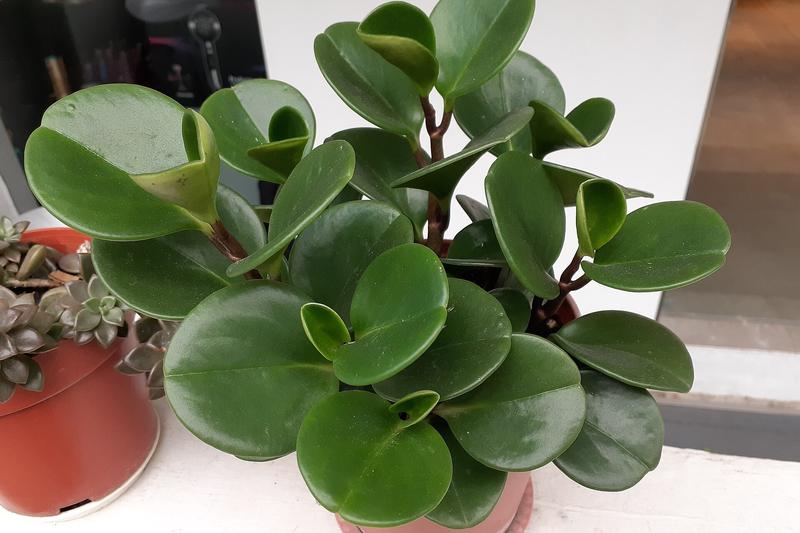
Quick facts
- Watering
- Fortnightly, when soil dries
- Sunlight
- Bright indirect light
- Soil
- Well-drained, peat-free multipurpose compost
- Humans
- Safe
- Cats
- Safe
- Dogs
- Safe
- Height
- 15–30 cm
- Spread
- 15–25 cm
- Spacing
- 20–25 cm apart
About Peperomia
Peperomia obtusifolia is a compact, evergreen houseplant native to Central and South America, prized for its thick, glossy, spoon-shaped leaves and easy-going nature. Growing to around 25 cm tall, it forms a neat, bushy habit that suits windowsills, desks, and shelving throughout the home. UK gardeners favour this low-maintenance plant for its tolerance of neglect, making it ideal for beginners and busy households. Its attractive foliage and compact size have made it a staple in British homes since the Victorian era.
UK fact: Peperomia obtusifolia was a popular feature in Victorian parlours and Wardian cases, where its tolerance of low light and dry air made it one of the few houseplants that could survive the smoky, gas-lit interiors of 19th-century British homes.
Watering Peperomia
Peperomia obtusifolia stores water in its succulent-like leaves, making it drought-tolerant and susceptible to overwatering. During the growing season (April to September), water every 10–14 days, ensuring the top 3–5 cm of compost feels dry to the touch. In winter, reduce watering to every 3–4 weeks as growth slows and the plant requires less moisture. Always use tepid water and ensure pots have drainage holes, as waterlogged roots quickly lead to rot. UK tap water is generally suitable, though allowing it to stand overnight helps dissipate chlorine.
Sunlight requirements
Position your peperomia within 1–2 metres of an east- or north-facing window for optimal growth, or further back from a south- or west-facing window to avoid direct sun. In UK homes, it adapts well to lower light conditions, though growth will slow and leaves may lose some vibrancy. Avoid placing directly on south-facing windowsills during summer, as intense midday sun can scorch the fleshy leaves.
Soil and feeding
Use a peat-free multipurpose compost mixed with 20–30% perlite, horticultural grit, or orchid bark to ensure excellent drainage. Peperomias are prone to root rot in heavy, moisture-retentive mixes, so aeration is essential. A slightly acidic to neutral pH of 6.0–7.0 is ideal. Avoid compacting the compost when potting, as the roots need oxygen to thrive.
Apply a balanced liquid houseplant feed at half strength every 4 weeks from April through September. Peperomias are light feeders and excess fertiliser can cause salt build-up and leaf burn. Cease feeding from October to March when the plant is semi-dormant and growth has slowed.
Pruning Peperomia
Peperomia obtusifolia naturally maintains a compact shape and requires little pruning. Remove any yellowed, damaged, or leggy stems at the base using clean scissors or secateurs throughout the year. To encourage a fuller, bushier habit, pinch out the growing tips of stems in spring or early summer. Wipe the glossy leaves occasionally with a damp cloth to remove dust and maintain their attractive sheen, which also helps photosynthesis.
Propagating Peperomia
Stem cuttings are the most reliable method: take 7–10 cm cuttings with at least two leaves in late spring or early summer. Remove the lower leaves and insert the cut end into moist, well-draining compost or place in water until roots develop (usually 3–4 weeks). Leaf cuttings also work well—simply insert a healthy leaf with a short stem into compost and keep lightly moist. Maintain warmth (18–21°C) and bright, indirect light for best results.
Common problems
Peperomia obtusifolia is generally pest-free but can occasionally attract mealybugs, which appear as white, cottony clusters on stems and leaf joints—treat by dabbing with rubbing alcohol or insecticidal soap. Overwatering is the most common issue, leading to yellowing leaves, mushy stems, and root rot; always allow the compost to dry out between waterings. Leaf drop or brown, crispy edges usually indicate underwatering or low humidity, though peperomias tolerate average UK household humidity well. Pale, leggy growth suggests insufficient light—move the plant closer to a window.
Spot a problem with your plant? Photograph the affected area using the Loam app and it will suggest the most likely cause and treatment.
Safety
- Humans
- Safe
- Cats
- Safe
- Dogs
- Safe
Toxicity information is for general guidance only.
Seasonal care calendar
Monthly care guide for Peperomia in the UK, based on average conditions.
| Month | Care tasks |
|---|---|
| January | Water sparingly, only when compost is dry. Maintain temperatures above 10°C and keep away from cold draughts. |
| February | Continue minimal watering. Wipe leaves to remove dust. Check for pests in warm, dry indoor conditions. |
| March | Growth begins to resume. Gradually increase watering frequency as temperatures rise and daylight lengthens. |
| April | Begin monthly feeding with diluted liquid fertiliser. Repot if rootbound, using fresh peat-free compost with added perlite. |
| May | Active growth period. Water when top half of compost dries. Take stem cuttings for propagation. |
| June | Continue regular watering and feeding. Pinch out growing tips to encourage bushier growth. Monitor for mealybugs. |
| July | Maintain consistent care. Ensure plant is shaded from intense direct sun on south-facing windowsills. |
| August | Continue watering and feeding. Take final stem cuttings before growth slows. Remove any yellowing leaves. |
| September | Reduce watering frequency as growth slows. Give final feed of the season by month's end. |
| October | Stop feeding. Water less frequently, allowing compost to dry more thoroughly between waterings. |
| November | Minimal watering required. Ensure plant is away from cold windows and radiators. Maintain stable temperatures. |
| December | Water sparingly. Avoid overwatering in low light and cooler conditions. Check occasionally for pests. |
Frequently asked questions
- Why are the leaves on my peperomia turning yellow and falling off?
- Yellowing and dropping leaves are usually caused by overwatering. Allow the top half of the compost to dry out between waterings, and ensure your pot has drainage holes. In winter, water even less frequently as the plant's growth slows.
- How do I know if my peperomia is getting enough light?
- Peperomias need bright, indirect light to thrive. If leaves become pale, leggy, or growth slows, your plant may need more light. Conversely, brown scorch marks indicate too much direct sun. The Loam app can help you assess your light conditions and send personalised care reminders based on your plant's location.
- How do I propagate peperomia from cuttings?
- Peperomias are easy to propagate from stem or leaf cuttings. Take a 5–8 cm stem cutting with at least two leaves, or a single leaf with its stalk. Place in water or moist perlite until roots develop (usually 3–4 weeks), then pot up in peat-free compost. Spring and summer are the best times for propagation.
Got a question about growing Peperomia that isn't covered here? Ask the Garden Advisor in the Loam app. It knows your saved plants and local conditions.
Related plants
This page was compiled with AI assistance and reviewed by our team. .