Asparagus
Asparagus officinalis
Vegetables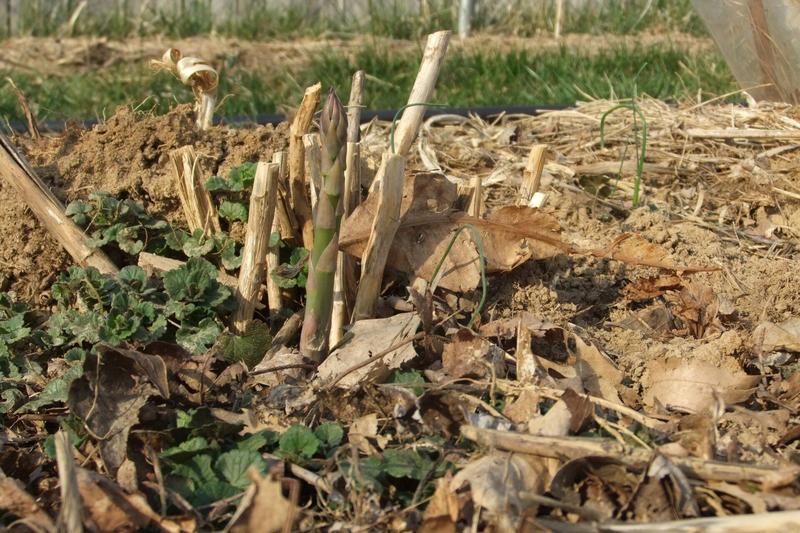
Quick facts
- Watering
- Weekly during growing season
- Sunlight
- Full sun
- Soil
- Well-drained, fertile, slightly alkaline
- Humans
- Safe
- Cats
- Toxic
- Dogs
- Toxic
- Height
- 90–150 cm
- Spread
- 45–90 cm
- Spacing
- 30–45 cm apart
About Asparagus
Asparagus is a perennial vegetable prized for its tender, flavourful spears that emerge each spring. Native to Europe and western Asia, this long-lived crop has been cultivated in British gardens for centuries, with established crowns producing harvests for 20 years or more. UK gardeners value asparagus for its delicious early-season harvest and relatively low maintenance once established, making it a rewarding addition to the vegetable plot.
UK fact: Asparagus has been grown in Britain since Roman times, with the Vale of Evesham in Worcestershire becoming famous for commercial production in the 19th century. The traditional British asparagus season runs from St George's Day (23rd April) to Midsummer's Day (21st June), celebrated annually at festivals across the country.
Watering Asparagus
Newly planted crowns require consistent moisture during their first two years to establish strong root systems. Water deeply once or twice weekly during dry periods from April through September, providing approximately 2.5 cm of water per week. Established beds are relatively drought-tolerant but produce better quality spears with regular watering, especially during the critical post-harvest period when the ferns are growing. Reduce watering in autumn as the foliage begins to yellow, and avoid waterlogging during winter dormancy.
Sunlight requirements
Position asparagus beds in full sun with at least six to eight hours of direct sunlight daily. In the UK, a south-facing position is ideal, though asparagus will tolerate light afternoon shade in warmer southern regions. Avoid planting near trees or large shrubs that will compete for light and nutrients, as asparagus crowns need maximum sun exposure to build energy reserves for the following year's crop.
Soil and feeding
Prepare asparagus beds with deep cultivation to at least 30 cm, incorporating generous amounts of well-rotted manure or garden compost. The ideal soil pH is between 6.5 and 7.5; asparagus performs poorly in acidic conditions, so lime may be needed on many UK soils. Excellent drainage is essential as waterlogged conditions cause crown rot, so consider creating raised beds on heavy clay soils. Sandy loams are ideal, but any soil can be improved with organic matter to provide the deep, fertile root run asparagus requires for its long productive life.
In late February or early March, apply a general-purpose fertiliser such as Growmore at 100g per square metre before spears emerge. After the final harvest in mid-June, apply another feed to support the fern growth that builds reserves for next year's crop. Mulch annually with well-rotted manure or compost in late autumn, which provides slow-release nutrients and improves soil structure.
Pruning Asparagus
Allow the ferny foliage to grow unchecked after the harvest period ends, as this photosynthesises to build up the crown's energy reserves. In October or November, once the foliage has turned completely yellow or brown, cut all stems down to ground level. Remove and compost or burn the old growth to reduce overwintering sites for pests and diseases. Never cut down green foliage, as this weakens the crowns and reduces the following year's harvest.
Propagating Asparagus
Planting dormant crowns in March or April is the quickest method, allowing harvest to begin in the third year. Seed-raised plants take an additional year to reach harvesting size but offer a wider choice of varieties. Sow seeds indoors in modules in February or March, transplanting seedlings to a nursery bed in early summer. Division of established crowns is possible but rarely practiced, as it disrupts productive beds and asparagus dislikes root disturbance.
Common problems
Asparagus beetle is the most serious pest in the UK, with both adults and larvae feeding on spears and foliage from May onwards; inspect regularly and remove by hand or treat with organic sprays if severe. Slugs can damage emerging spears in spring, particularly in wet seasons. Violet root rot and fusarium crown rot occasionally affect plants, causing wilting and decline; there is no cure, so remove affected crowns and avoid replanting asparagus in the same location. Poor drainage and waterlogged soil cause more problems than pests, leading to crown rot and reduced vigour.
Spot a problem with your plant? Photograph the affected area using the Loam app and it will suggest the most likely cause and treatment.
Safety
- Humans
- Safe
- Cats
-
Toxic
Asparagus plants contain sapogenins which can cause vomiting, diarrhoea, and abdominal pain if ingested by cats. The berries are particularly toxic.
- Dogs
-
Toxic
Asparagus plants are toxic to dogs, causing vomiting, diarrhoea, and abdominal pain if consumed. The red berries produced on female plants are especially harmful.
Toxicity information is for general guidance only. If a pet has been exposed to this plant and you are concerned, seek advice from a vet.
Seasonal care calendar
Monthly care guide for Asparagus in the UK, based on average conditions.
| Month | Care tasks |
|---|---|
| January | No action needed. Crowns are fully dormant. Plan new beds and order crowns for spring planting. |
| February | Apply general fertiliser to established beds. Prepare new planting trenches, incorporating organic matter. |
| March | Plant new crowns. First spears may emerge on established beds towards month end in mild areas. |
| April | Begin harvesting established beds (third year onwards) from St George's Day. Cut spears when 12-18 cm tall. Check for asparagus beetle. |
| May | Continue harvesting every 2-3 days. Water during dry spells. Monitor for asparagus beetle and remove by hand. |
| June | Stop harvesting by midsummer (21st June). Apply fertiliser after final harvest. Allow all subsequent growth to develop into ferns. |
| July | Water regularly to support fern growth. Keep beds weed-free. Continue monitoring for asparagus beetle. |
| August | Maintain watering during dry weather. Support tall ferns with stakes if necessary in exposed sites. |
| September | Reduce watering as growth slows. Allow ferns to continue photosynthesising. Remove any weeds. |
| October | Cut down yellowed foliage to ground level. Apply mulch of well-rotted manure or compost around crowns. |
| November | Complete cutting back of any remaining foliage. Ensure beds are weed-free before winter. |
| December | No action needed. Crowns are dormant. Review the season and plan variety choices for new plantings. |
Frequently asked questions
- When should I stop harvesting asparagus each year?
- Stop harvesting by midsummer, traditionally 21st June in the UK. The crowns need the remaining growing season to produce ferns that photosynthesise and build up energy reserves for next year's crop. Harvesting beyond midsummer significantly weakens the plants and reduces future yields.
- Why are my asparagus spears thin and spindly?
- Thin spears indicate weak or overcrowded crowns, poor soil fertility, or premature harvesting. Ensure beds are well-fed with annual applications of fertiliser and compost. Stop harvesting by midsummer to allow adequate fern growth. Overcrowded beds may need thinning, though asparagus dislikes disturbance. Water consistently during the growing season. The Loam app can help you diagnose specific problems with photos and set reminders for feeding and harvest cut-off dates.
- What soil conditions does asparagus need?
- Asparagus thrives in well-drained, fertile soil with a pH between 6.5 and 7.5. Heavy clay soils must be improved with grit and organic matter, or grow asparagus in raised beds to ensure adequate drainage. Waterlogged conditions cause crown rot. Dig in plenty of well-rotted manure or compost before planting, as asparagus beds remain productive for 20 years or more and cannot easily be improved once established.
Got a question about growing Asparagus that isn't covered here? Ask the Garden Advisor in the Loam app. It knows your saved plants and local conditions.
Related plants
This page was compiled with AI assistance and reviewed by our team. .