Strawberry
Fragaria × ananassa
Fruit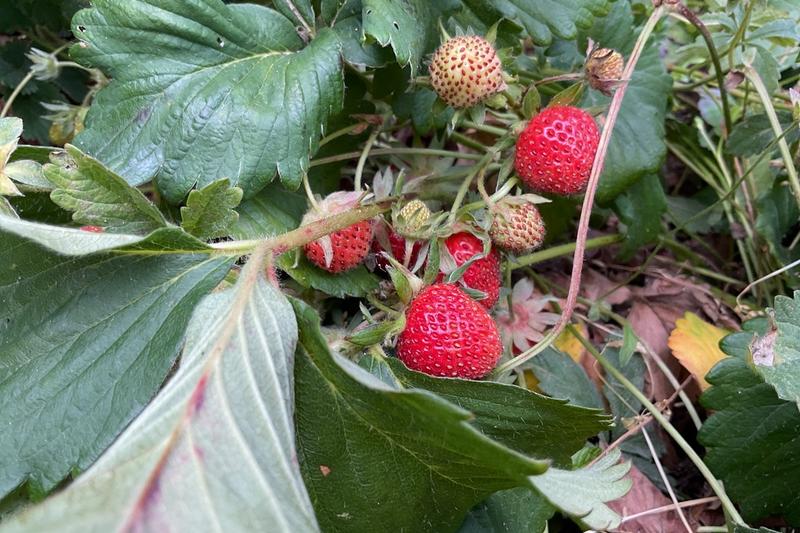
Quick facts
- Watering
- Twice weekly when fruiting
- Sunlight
- Full sun
- Soil
- Well-drained, slightly acidic, fertile
- Humans
- Safe
- Cats
- Safe
- Dogs
- Safe
- Height
- 15–30 cm
- Spread
- 30–45 cm
- Spacing
- 30–45 cm apart
About Strawberry
The garden strawberry is a widely grown hybrid species prized for its sweet, aromatic red fruit and attractive white flowers. Originating from a cross between North and South American wild species in 18th-century France, it has become one of the most popular soft fruits in British gardens. UK gardeners value strawberries for their relatively easy cultivation, compact growth habit, and the unmatched flavour of home-grown berries picked at peak ripeness. They thrive in the British climate, producing abundant crops from late spring through summer when given proper care.
UK fact: Strawberries have been cultivated in Britain since the 13th century, with the modern garden variety becoming widespread in the 19th century. The tradition of strawberries and cream at Wimbledon has made them an iconic British summer fruit, with over 28,000 kilograms consumed at the championships each year.
Watering Strawberry
Water strawberries regularly throughout the growing season, particularly during dry spells and when flowers and fruit are developing. During the British summer, aim for approximately 2.5cm of water per week, either from rainfall or irrigation. Increase watering to twice weekly or more during hot, dry periods and when fruit is swelling, as moisture stress at this stage results in small, poor-quality berries. Water at the base of plants early in the day to keep foliage dry and reduce the risk of fungal diseases, which are common in the UK's humid climate.
Sunlight requirements
Position strawberry plants in the sunniest spot available in your garden, ideally south-facing for optimal light exposure throughout the growing season. In the UK, they will tolerate very light afternoon shade but fruit quality and quantity will be reduced. Avoid planting in areas shaded by buildings, fences, or trees, as insufficient light leads to poor flowering, reduced sweetness, and increased susceptibility to fungal diseases.
Soil and feeding
Grow strawberries in fertile, humus-rich soil that drains freely yet retains moisture during dry periods. Heavy clay soils should be improved with generous amounts of well-rotted compost or manure and sharp sand to improve drainage, as waterlogged conditions lead to root rot. Sandy soils benefit from organic matter to increase water retention. The ideal pH is 6.0-6.5; if your soil is alkaline, incorporate sulphur chips or ericaceous compost before planting. Raised beds work exceptionally well in the UK, providing the perfect drainage whilst warming up quickly in spring.
Apply a balanced general fertiliser in early spring as growth resumes, then switch to a high-potash tomato feed once flowers appear. Feed every 10-14 days throughout the fruiting period to support continuous cropping. Avoid high-nitrogen feeds after early spring as these promote leafy growth at the expense of fruit and can make plants more susceptible to disease.
Pruning Strawberry
After harvesting is complete in late summer, remove old, tatty leaves to improve air circulation and reduce disease carryover, but leave the central crown intact. Cut off runners as they appear throughout the growing season unless you wish to propagate new plants, as they drain energy from fruit production. In autumn, tidy plants by removing any remaining dead or diseased foliage. Replace strawberry plants every 3-4 years as productivity declines with age.
Propagating Strawberry
The simplest method is to peg down runners into small pots of compost placed alongside the parent plant during June to August. Once rooted after 4-6 weeks, sever the runner from the parent and transplant the new plant to its permanent position. Alternatively, allow runners to root directly into the ground and transplant in autumn or the following spring. Choose runners from healthy, productive plants that are no more than two years old for the best results.
Common problems
Strawberries are susceptible to several common UK problems including grey mould (botrytis), which thrives in damp conditions and causes fruit to rot—prevent by ensuring good spacing and air circulation. Slugs and snails are persistent pests that damage ripening fruit; use barriers, beer traps, or organic pellets for control. Vine weevil larvae can devastate plants by eating roots, whilst aphids spread viruses that reduce vigour and yield. Birds are perhaps the most frustrating problem, often taking fruit just as it ripens; netting is essential for protecting crops in most UK gardens.
Spot a problem with your plant? Photograph the affected area using the Loam app and it will suggest the most likely cause and treatment.
Safety
- Humans
- Safe
- Cats
- Safe
- Dogs
- Safe
Toxicity information is for general guidance only.
Seasonal care calendar
Monthly care guide for Strawberry in the UK, based on average conditions.
| Month | Care tasks |
|---|---|
| January | Plants are dormant. Check stored runners and ensure protection from severe frost if growing in containers. |
| February | Prepare new planting beds by incorporating well-rotted manure or compost. Order new certified virus-free plants for spring planting. |
| March | Plant bare-root strawberries. Apply general fertiliser around established plants as growth resumes. Remove winter debris and old leaves. |
| April | Weed carefully around plants and apply mulch. Protect early flowers from frost with fleece. Begin regular watering as weather warms. |
| May | Tuck straw or strawberry mats under developing fruit to keep them clean. Start feeding with high-potash fertiliser. Net plants against birds. |
| June | Harvest early varieties. Continue feeding and watering regularly. Begin pegging down runners for propagation if desired, or remove them. |
| July | Main harvest period for most varieties. Pick fruit regularly, ideally daily. Continue watering and feeding. Propagate from runners. |
| August | Harvest late varieties. After fruiting, cut back old foliage and remove straw mulch. Continue propagating runners until mid-month. |
| September | Plant out rooted runners into their final positions. Weed and tidy established beds. Perpetual varieties may still be fruiting. |
| October | Continue planting new stock. Remove any remaining runners. Apply autumn mulch of well-rotted compost around plants. |
| November | Final opportunity for planting bare-root strawberries. Ensure good drainage before winter. Clear away fallen leaves. |
| December | Plants are dormant. Protect container-grown plants from severe frost by moving to sheltered locations or wrapping pots. |
Frequently asked questions
- When should I feed strawberry plants in the UK?
- Feed strawberries with a high-potash fertiliser (such as tomato feed) fortnightly from when flowers first appear until the end of cropping, typically April through August. In early spring, apply a general-purpose fertiliser to support leaf growth. Avoid high-nitrogen feeds during fruiting as these promote foliage at the expense of berries.
- Why are my strawberry leaves turning yellow and brown?
- Yellowing or browning leaves can indicate several issues: nutrient deficiency (particularly nitrogen or iron), overwatering causing root problems, fungal diseases like verticillium wilt, or natural ageing of older foliage. Check soil moisture, ensure good drainage, and remove affected leaves. For accurate diagnosis of disease or deficiency patterns, the Loam app can analyse photos of your plant and provide personalised treatment recommendations.
- What type of soil do strawberries need?
- Strawberries thrive in slightly acidic, well-drained soil with a pH of 6.0-6.5, rich in organic matter. Heavy clay soils should be improved with compost and grit, or grow in raised beds to ensure drainage. Sandy soils benefit from added organic matter to retain moisture. Avoid sites where potatoes, tomatoes, or chrysanthemums previously grew, as these may harbour verticillium wilt.
Got a question about growing Strawberry that isn't covered here? Ask the Garden Advisor in the Loam app. It knows your saved plants and local conditions.
Related plants
This page was compiled with AI assistance and reviewed by our team. .