Raspberry
Rubus idaeus
Fruit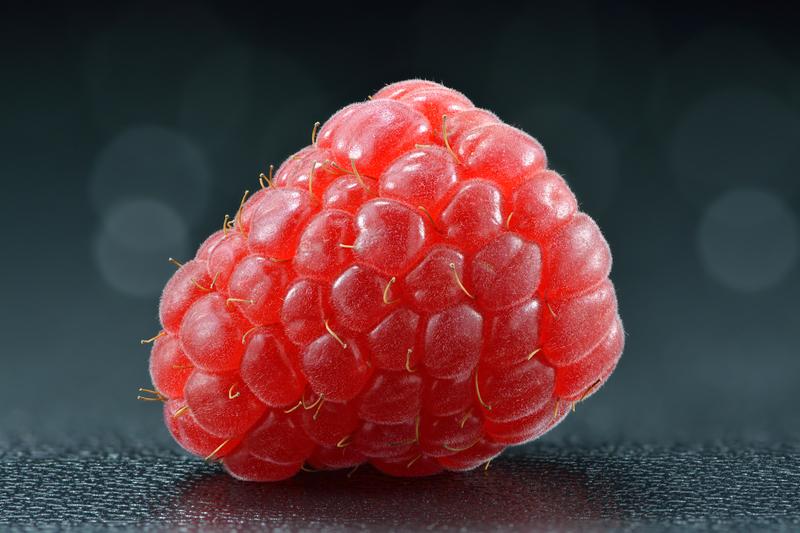
Quick facts
- Watering
- Weekly, more when fruiting
- Sunlight
- Full sun to partial shade
- Soil
- Moisture-retentive, slightly acidic, well-drained
- Humans
- Safe
- Cats
- Safe
- Dogs
- Safe
- Height
- 120–180 cm
- Spread
- 45–60 cm
- Spacing
- 45–60 cm apart
About Raspberry
Raspberry is a deciduous fruiting cane native to Europe and northern Asia, producing delicious red (or occasionally yellow) berries from early summer through to autumn depending on variety. The plants form upright or arching canes with divided leaves and white flowers, thriving in the UK's cool, moist climate. British gardeners prize raspberries for their exceptional flavour when home-grown, far superior to shop-bought fruit, and their reliable cropping in most regions from Scotland to the south of England.
UK fact: Raspberries have been cultivated in British gardens since at least the 16th century, and Scotland's climate is particularly suited to their cultivation—the Tayside region is renowned as the raspberry capital of the UK, producing fruit with exceptional flavour intensity.
Watering Raspberry
Water deeply once or twice weekly during dry spells, ensuring the root zone remains moist but not waterlogged. During fruiting from June to September, increase watering frequency as drought stress causes small, dry berries and reduced yields. Apply water at the base of plants rather than overhead to minimise fungal disease risk. Mulching with well-rotted compost or straw helps retain moisture and reduces watering needs, particularly valuable during the increasingly dry UK summers.
Sunlight requirements
Plant in a position receiving at least six hours of direct sunlight daily for optimal fruit production and sweetness. In Scotland and northern England, choose the sunniest spot available, whilst in southern counties, light afternoon shade can be beneficial during hot summers. Avoid deep shade beneath trees, which reduces cropping and increases disease susceptibility.
Soil and feeding
Plant in rich, moisture-retentive soil improved with generous amounts of well-rotted manure or garden compost. The ideal pH is 6.0–6.5; avoid chalky or alkaline soils which can cause nutrient deficiencies and poor growth. Ensure good drainage as waterlogged conditions lead to root rot, particularly problematic in heavy clay soils common across much of the UK. On clay, incorporate organic matter and consider planting on slight mounds or raised beds to improve drainage whilst maintaining the moisture retention raspberries require.
Apply a general-purpose fertiliser such as Growmore or blood, fish and bone in March at 100g per square metre around the base of canes. Follow with a high-potash feed (tomato fertiliser is ideal) in May to encourage flower and fruit development. Mulch annually with well-rotted manure or compost in late winter to maintain soil fertility and structure.
Pruning Raspberry
For summer-fruiting raspberries, cut all canes that have fruited down to ground level immediately after harvest in July or August, then tie in the new green canes to supports, spacing them 10cm apart. Autumn-fruiting varieties are simpler: cut all canes to ground level in February before new growth begins. Remove weak or damaged canes throughout the year, and thin overcrowded canes in spring to improve air circulation and reduce disease. Always use sharp, clean secateurs to prevent the spread of cane diseases.
Propagating Raspberry
The simplest method is to lift and transplant suckers—new canes that emerge from spreading roots—in late autumn or early spring whilst dormant. Choose healthy, vigorous suckers from disease-free parent plants, ensuring each has a good root system. Alternatively, tip layer autumn-fruiting varieties by bending canes to the ground in late summer and covering the tips with soil; these root by autumn and can be severed and transplanted the following spring.
Common problems
Raspberry beetle is the most common pest, causing maggoty fruit; apply approved insecticides at dusk when bees are not active, just as the first fruits begin to colour. Grey mould (botrytis) affects fruit in wet summers—improve air circulation through proper pruning and spacing, and remove infected fruit promptly. Cane blight and spur blight cause canes to die back; prune out and burn affected canes, sterilising tools between cuts. Virus diseases transmitted by aphids cause yellowing leaves and reduced vigour; remove and destroy affected plants and control aphids promptly.
Spot a problem with your plant? Photograph the affected area using the Loam app and it will suggest the most likely cause and treatment.
Safety
- Humans
- Safe
- Cats
- Safe
- Dogs
- Safe
Toxicity information is for general guidance only.
Seasonal care calendar
Monthly care guide for Raspberry in the UK, based on average conditions.
| Month | Care tasks |
|---|---|
| January | Check supports and repair any damaged posts or wires. Avoid working around plants when soil is frozen or waterlogged. |
| February | Cut all canes of autumn-fruiting varieties to ground level. Apply well-rotted manure or compost as mulch around established plants. |
| March | Apply general-purpose fertiliser around the base of plants. Plant new canes and tie in new growth to supports as it emerges. |
| April | Water during dry spells and watch for aphids on new growth. Thin overcrowded canes to improve air circulation. |
| May | Apply high-potash feed to support flowering and fruiting. Continue tying in new canes and remove any weak growth. |
| June | Water regularly as fruits develop. Net plants to protect from birds. Watch for raspberry beetle and treat if necessary as first fruits colour. |
| July | Harvest summer-fruiting varieties regularly. Cut down fruited canes to ground level immediately after harvest and tie in new canes. |
| August | Continue harvesting summer varieties and begin picking early autumn-fruiting types. Water well during dry weather to support developing fruit. |
| September | Harvest autumn-fruiting varieties. Remove any diseased or damaged canes and maintain regular watering if weather is dry. |
| October | Finish harvesting autumn varieties. Clear fallen leaves and debris from around plants to reduce overwintering pests and diseases. |
| November | Plant new canes or transplant suckers. Check ties and supports are secure before winter winds arrive. |
| December | No action needed. Plants are fully dormant. Plan next year's planting and order new varieties from specialist nurseries. |
Frequently asked questions
- When should I prune autumn-fruiting raspberries?
- Prune autumn-fruiting raspberries in late February by cutting all canes down to ground level. This simple approach works because autumn varieties fruit on the current season's growth. Summer-fruiting types require different timing—prune immediately after harvest in July/August, removing only the canes that have fruited whilst keeping new green canes for next year's crop. Getting the timing wrong significantly reduces yields.
- How do I know if my raspberry plant has a disease or pest problem?
- Common signs include yellowing leaves with green veins (iron deficiency), dark lesions on canes (fungal blight), small crumbly fruit (virus or watering issues), or holes in fruit (raspberry beetle). Accurate diagnosis is crucial as treatments vary considerably. The Loam app can help identify specific problems through photo recognition and provides personalised treatment advice based on your growing conditions, taking the guesswork out of raspberry troubleshooting.
- What type of soil do raspberries need?
- Raspberries thrive in moisture-retentive but well-drained soil with a pH of 6.0–6.5 (slightly acidic). They struggle in heavy clay that becomes waterlogged or very light sandy soils that dry out quickly. Before planting, incorporate plenty of well-rotted organic matter and avoid chalky or alkaline soils which cause iron deficiency (yellowing leaves). A sunny position is ideal, though they tolerate light shade. Poor soil preparation is the most common cause of establishment failure.
Got a question about growing Raspberry that isn't covered here? Ask the Garden Advisor in the Loam app. It knows your saved plants and local conditions.
Related plants
This page was compiled with AI assistance and reviewed by our team. .