Gooseberry
Ribes uva-crispa
Fruit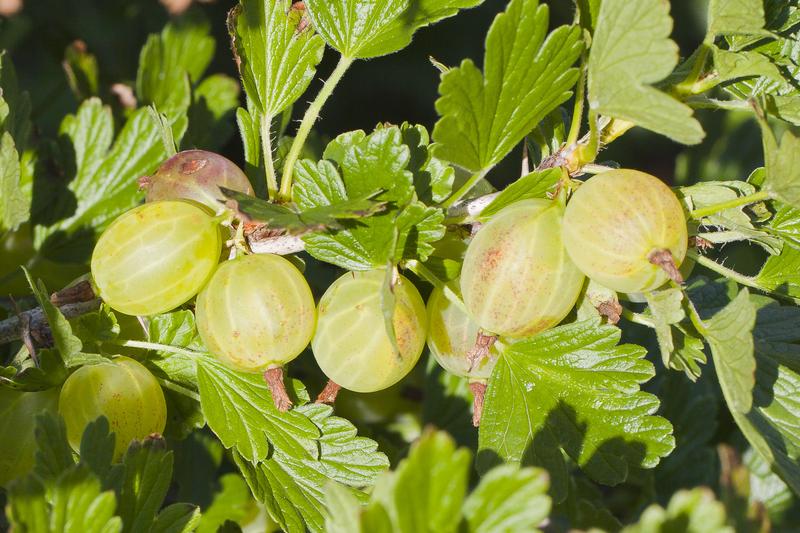
Quick facts
- Watering
- Weekly during fruiting
- Sunlight
- Full sun to partial shade
- Soil
- Moisture-retentive, well-drained loam
- Humans
- Safe
- Cats
- Safe
- Dogs
- Safe
- Height
- 90–150 cm
- Spread
- 90–150 cm
- Spacing
- 120–150 cm apart
About Gooseberry
Gooseberry is a deciduous fruiting shrub native to Europe and widely cultivated in British gardens for centuries. The thorny bushes produce tart, translucent berries in shades of green, yellow, red or white, perfect for traditional British desserts, jams and preserves. Compact and hardy, gooseberries thrive in the UK's cool climate and are one of the most reliable soft fruits for northern gardens. Their tolerance of partial shade makes them ideal for smaller plots and north-facing borders.
UK fact: Gooseberries have been grown in Britain since the 13th century and were so popular in Victorian times that competitive gooseberry clubs held annual shows across the North of England, a tradition that continues today in Cheshire and Yorkshire.
Watering Gooseberry
Water regularly during dry spells, especially from April to July when flowers form and fruits swell. Gooseberries have shallow roots and suffer quickly in drought, causing premature fruit drop and small berries. Apply 10-15 litres per plant weekly during dry weather, increasing to twice weekly when fruits are swelling. Mulch generously to retain moisture and reduce watering frequency once established.
Sunlight requirements
Plant in full sun for the sweetest, most abundant crops, though gooseberries are unusually tolerant of partial shade and will still fruit well with 4-5 hours of sunlight. In hot southern gardens, afternoon shade can prevent scorching of ripening fruit. Avoid deep shade under trees, which encourages mildew and reduces cropping.
Soil and feeding
Grow in fertile, moisture-retentive soil enriched with plenty of well-rotted manure or compost before planting. They tolerate a wide pH range but perform best between 6.0 and 6.5. Heavy clay soils are acceptable if drainage is adequate, but avoid shallow chalky soils which cause nutrient deficiencies. On sandy soils, incorporate organic matter annually to improve water retention and fertility.
Apply 25g of sulphate of potash per square metre in February to encourage flower and fruit development. Follow with a general-purpose fertiliser such as blood, fish and bone in March at 70g per square metre. Top-dress with well-rotted manure or compost annually to maintain soil fertility and structure.
Pruning Gooseberry
Prune established bushes between November and February whilst dormant. Remove dead, diseased or crossing branches, then cut back the previous year's growth by half to an outward-facing bud. Aim for an open-centred bush with 8-12 main branches to allow light and air circulation, which reduces mildew risk. Remove any branches older than four years as they become less productive. Summer pruning in June can also help by shortening side shoots to five leaves, improving air flow and ripening.
Propagating Gooseberry
Take 20-30cm hardwood cuttings from healthy, pencil-thick stems in October or November after leaf fall. Remove all but the top three buds to create a clear stem and prevent suckering. Insert cuttings two-thirds deep into a trench of sandy soil in a sheltered spot outdoors, spacing them 15cm apart. Cuttings root over winter and can be transplanted to their final positions the following autumn.
Common problems
Gooseberry sawfly larvae can completely defoliate bushes from May onwards; inspect regularly and remove caterpillars by hand or treat with organic sprays. American gooseberry mildew causes white powdery coating on shoots and fruits, particularly in humid conditions or overcrowded plants; prune for good air circulation and choose resistant varieties. Aphids may colonise shoot tips in spring, causing distorted growth. Birds, especially bullfinches, can strip flower buds in winter and early spring, so netting may be necessary for reliable cropping.
Spot a problem with your plant? Photograph the affected area using the Loam app and it will suggest the most likely cause and treatment.
Safety
- Humans
- Safe
- Cats
- Safe
- Dogs
- Safe
Toxicity information is for general guidance only.
Seasonal care calendar
Monthly care guide for Gooseberry in the UK, based on average conditions.
| Month | Care tasks |
|---|---|
| January | Prune established bushes during dormancy, removing old wood and creating an open structure. Apply winter wash if aphids were problematic. |
| February | Complete winter pruning. Apply sulphate of potash around the base at 25g per square metre. Mulch with well-rotted manure or compost. |
| March | Apply blood, fish and bone fertiliser. Net bushes if birds are stripping buds. Check for early signs of aphid activity on new growth. |
| April | Water during dry spells as flowers form. Watch for gooseberry sawfly larvae and remove by hand. Ensure netting is secure against birds. |
| May | Continue checking for sawfly larvae weekly. Thin fruits if crop is heavy, removing every other berry to improve size. Water regularly in dry weather. |
| June | Harvest early varieties for cooking. Summer prune side shoots to five leaves to improve air circulation. Water generously as fruits swell. |
| July | Harvest dessert varieties when fully ripe and sweet. Continue watering during dry spells. Remove any mildewed shoot tips promptly. |
| August | Complete harvesting. Reduce watering as fruiting finishes. Clear fallen fruit and debris to reduce disease carryover. |
| September | Prepare planting sites for new bushes, incorporating organic matter. Order new plants for autumn planting if expanding your fruit garden. |
| October | Plant new bushes and transplant rooted cuttings. Take hardwood cuttings for propagation. Clear weeds and apply autumn mulch. |
| November | Continue taking hardwood cuttings. Begin winter pruning if weather is mild. Remove fallen leaves to reduce mildew spores overwintering. |
| December | Prune during mild, dry spells. Check stakes and supports. Plan next year's planting and order new varieties from specialist nurseries. |
Frequently asked questions
- How do I prevent gooseberry mildew?
- Ensure good air circulation by winter pruning to an open structure, avoid overhead watering, and choose mildew-resistant varieties such as 'Invicta' or 'Greenfinch'. Remove affected shoot tips promptly and avoid excessive nitrogen feeding which encourages soft, susceptible growth.
- Why are my gooseberry leaves turning yellow?
- Yellowing leaves can indicate several issues including nutrient deficiency (particularly iron or magnesium), waterlogging, or potassium shortage if leaf edges turn brown. Check soil drainage and moisture levels first. The Loam app can help diagnose the specific cause by analysing photos of your plant and tracking environmental conditions to provide personalised feeding and watering recommendations.
- When should I feed gooseberry bushes?
- Feed gooseberries in late February with a balanced general fertiliser such as blood, fish and bone at 100g per square metre, followed by a potassium-rich feed in late spring to support fruiting. Apply sulphate of potash at 25g per plant in April. Mulch with well-rotted compost annually to maintain soil fertility and moisture retention.
Got a question about growing Gooseberry that isn't covered here? Ask the Garden Advisor in the Loam app. It knows your saved plants and local conditions.
Related plants
This page was compiled with AI assistance and reviewed by our team. .