Blueberry
Vaccinium corymbosum
Fruit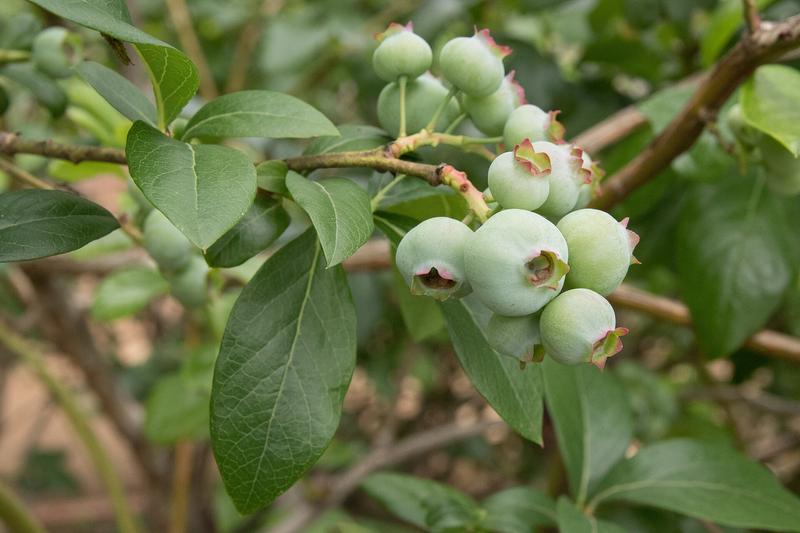
Quick facts
- Watering
- Weekly, more when fruiting
- Sunlight
- Full sun to partial shade
- Soil
- Acidic, moist, well-drained
- Humans
- Safe
- Cats
- Safe
- Dogs
- Safe
- Height
- 120–180 cm
- Spread
- 90–150 cm
- Spacing
- 120–150 cm apart
- RHS recognition
- Award of Garden Merit
About Blueberry
Blueberry is a deciduous shrub native to North America, prized for its delicious, antioxidant-rich berries and attractive autumn foliage. Growing 1.2–1.8 metres tall, it produces clusters of white or pale pink bell-shaped flowers in spring, followed by blue-black fruits in summer. UK gardeners value blueberries for their reliable cropping in containers and borders, provided the essential acidic soil conditions are met. The plants also offer ornamental appeal with fiery red and orange autumn colour.
UK fact: Blueberries thrive particularly well in the acidic soils of Scotland, Wales, and southwest England, where they often outperform their performance in alkaline regions without soil amendment.
Watering Blueberry
Blueberries require regular watering throughout the growing season, with soil kept evenly moist but never saturated. During flowering (April-May) and fruit development (June-August), water two to three times weekly in dry weather, providing 10-15 litres per established plant. Rainwater is ideal as tap water in hard-water areas gradually raises soil pH, making it less acidic over time. Mulching with pine needles or composted bark helps retain moisture and maintain acidity, reducing watering frequency in established plants.
Sunlight requirements
Position blueberries in full sun for maximum fruit production, ideally receiving at least six hours of direct sunlight daily. In warmer southern counties, a spot with morning sun and light afternoon shade can prevent leaf scorch during heatwaves. Avoid deep shade, which reduces flowering and fruiting significantly, though plants in northern gardens often perform well with slightly less sun than their southern counterparts.
Soil and feeding
Blueberries absolutely require acidic soil with a pH between 4.5 and 5.5, making them unsuitable for chalky or limestone areas without container cultivation. In alkaline regions, grow in large pots (minimum 45cm diameter) filled with ericaceous compost. The soil must be moisture-retentive yet well-drained, rich in organic matter; incorporate composted pine bark, leaf mould, or peat-free ericaceous compost before planting. Test soil pH annually and apply sulphur chips if it rises above 5.5, as iron deficiency (chlorosis) quickly develops in less acidic conditions.
Apply a balanced ericaceous fertiliser in March as growth begins, following packet instructions for fruiting shrubs. A second, lighter application after flowering in late May supports fruit development. Avoid feeds containing lime or high levels of phosphorus, which interfere with nutrient uptake in acid-loving plants and can cause leaf yellowing.
Pruning Blueberry
For the first two to three years, remove only dead, damaged, or weak growth and pinch off flowers to encourage strong root and branch development. From year four onwards, prune established bushes in late February or early March while dormant, cutting out any wood older than four years (darker, thicker stems) at the base to stimulate new productive growth. Remove low-growing branches that will touch the ground when laden with fruit, and thin out crossing or crowded stems to maintain an open, vase-shaped structure. Light summer pruning after harvest can remove fruited tips if desired, but major pruning should remain a late-winter task.
Propagating Blueberry
Softwood cuttings taken in June or July root readily in ericaceous compost with bottom heat and high humidity. Semi-ripe cuttings in August-September are slightly slower but more reliable for beginners. Layering established branches in spring by pegging them to the soil surface produces rooted plants within 12-18 months. Blueberries can be grown from seed, but seedlings take four to five years to fruit and may not come true to type.
Common problems
Birds, particularly blackbirds and thrushes, are the primary pest, stripping ripe berries within hours; netting from late June is essential. Chlorosis (yellowing leaves with green veins) indicates insufficient soil acidity or iron deficiency, remedied by applying sequestered iron and lowering pH with sulphur. Phytophthora root rot can occur in poorly drained or waterlogged soil, causing wilting and dieback; prevention through good drainage is crucial. Aphids occasionally colonise new growth in spring but rarely cause serious damage, whilst winter moth caterpillars may eat flowers and young leaves in April.
Spot a problem with your plant? Photograph the affected area using the Loam app and it will suggest the most likely cause and treatment.
Safety
- Humans
- Safe
- Cats
- Safe
- Dogs
- Safe
Toxicity information is for general guidance only.
Seasonal care calendar
Monthly care guide for Blueberry in the UK, based on average conditions.
| Month | Care tasks |
|---|---|
| January | Plants dormant. Check supports and netting are secure against winter weather. |
| February | Prune established plants, removing old wood and opening up the centre. Apply sulphur if soil pH needs lowering. |
| March | Apply ericaceous fertiliser as buds swell. Mulch with pine bark or composted woodchip. Protect early blossom from frost with fleece. |
| April | Flowers appear; continue frost protection if needed. Begin regular watering as growth accelerates. Check for aphids on new shoots. |
| May | Flowering continues; ensure consistent moisture. Apply second feed after flowering finishes. Remove any weeds carefully to avoid root damage. |
| June | Fruits developing; increase watering in dry spells. Install netting before berries start to colour to protect from birds. |
| July | Main harvest period. Pick ripe berries every few days. Maintain consistent watering. Take softwood cuttings for propagation. |
| August | Continue harvesting late varieties. Water regularly, especially container plants. Take semi-ripe cuttings if desired. |
| September | Harvest finishes. Reduce watering slightly. Enjoy developing autumn colour as leaves turn red and orange. |
| October | Leaves falling. Clear fallen foliage to reduce overwintering pests. Test soil pH and amend if necessary. |
| November | Plants entering dormancy. Reduce watering but don't allow containers to dry out completely. Check mulch depth. |
| December | Dormant period. Minimal care needed. Plan pruning for late winter and order new varieties if expanding your collection. |
Frequently asked questions
- Why are my blueberry leaves turning yellow?
- Yellowing leaves with green veins (chlorosis) indicate the soil is not acidic enough or the plant cannot access iron. Test your soil pH; it should be 4.5-5.5. Apply sequestered iron as an immediate remedy and sulphur chips to lower pH long-term. Always use rainwater rather than tap water in hard-water areas.
- How do I know if my blueberry plant is healthy?
- Healthy blueberries have vibrant green leaves, steady new growth, and good fruit set. Watch for yellowing leaves, poor flowering, or stunted growth as signs of problems. The Loam app can help you diagnose issues early by analysing photos of your plant, tracking its health over time, and sending personalised care reminders tailored to your specific growing conditions.
- When should I prune blueberry bushes?
- Prune blueberries in late winter (February to early March) whilst dormant. In the first two years, remove only dead or damaged wood to establish a strong framework. From year three onwards, cut out the oldest stems at the base to encourage new productive growth, and remove any weak or crossing branches. Mature bushes benefit from removing up to a quarter of the oldest wood annually to maintain vigour and fruit quality.
Got a question about growing Blueberry that isn't covered here? Ask the Garden Advisor in the Loam app. It knows your saved plants and local conditions.
Related plants
This page was compiled with AI assistance and reviewed by our team. .